
Beyond the Farm — History & Facts
Who listens when art speaks of silence? In Beyond the Farm, the stillness resonates, inviting contemplation and reflection on the balance between nature and labor. Look to the center of the canvas, where the lone figure stands, poised yet grounded, embodying the quiet resilience of rural life. The muted palette of earthy greens and browns harmonizes with the soft light that bathes the scene, creating a serene atmosphere. Notice how the horizon stretches wide, almost infinite, as the backdrop of rolling hills embraces the figure, enveloping them in the landscape that defines their existence. The contrast between the figure and the expansive scenery evokes a deep emotional tension.
This solitary presence speaks to the broader narrative of humanity's relationship with the land—each small gesture reflecting an unspoken dialogue between toil and tranquility. The absence of bustling activity invites the viewer to ponder the weight of silence and the endurance it encapsulates, all while capturing a fleeting moment of serenity amidst the chaos of life. Ester Almqvist painted Beyond the Farm in 1903 while living in Sweden, a time marked by a growing interest in naturalism and a movement toward capturing the essence of everyday life. This period saw a shift in artistic expression as artists sought to explore deeper emotional truths through their work.
Almqvist, influenced by her contemporaries, embraced this ethos while portraying the delicate balance of existence in the Swedish countryside, forging a connection between the viewer and the serene beauty of her surroundings.
More Artworks by Ester Almqvist
Browse all →
Young Beech Wood
Ester Almqvist
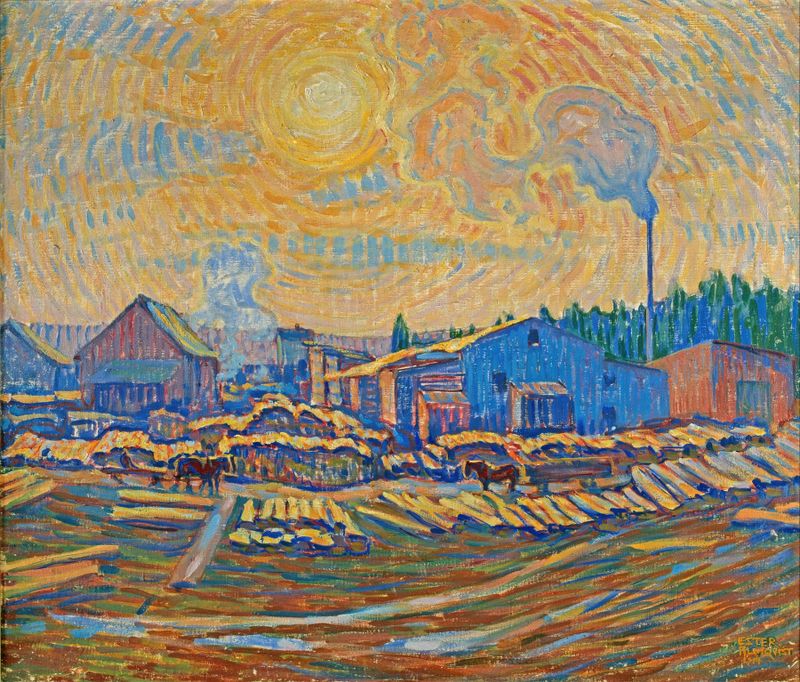
The Sawmill, December sun
Ester Almqvist
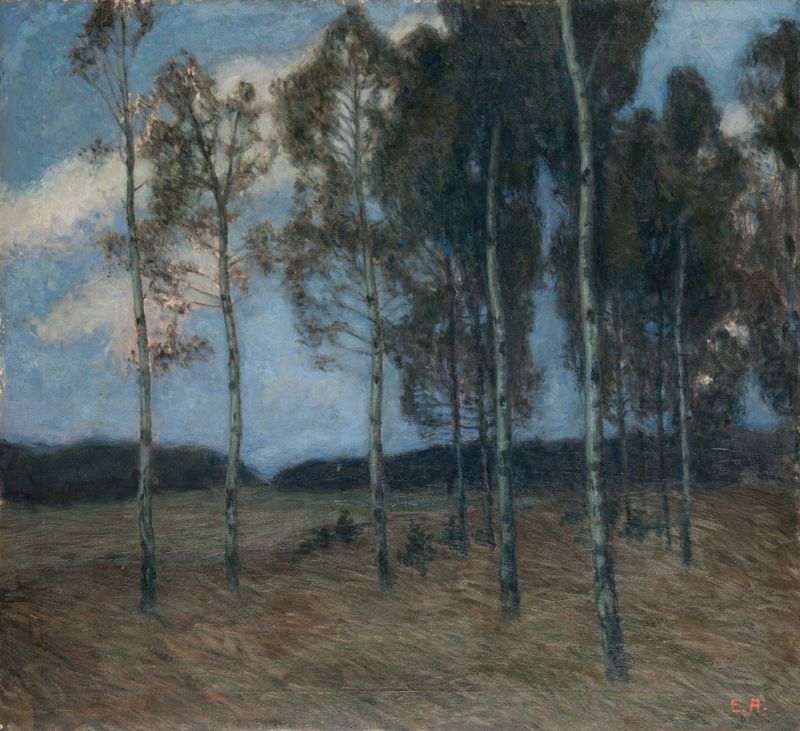
Birch Grove after Sunset
Ester Almqvist
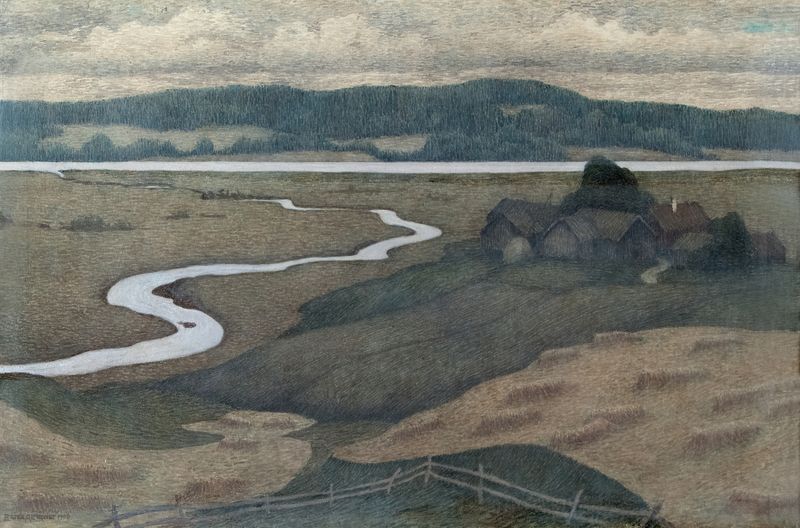
Landscape from Svartådalen
Ester Almqvist
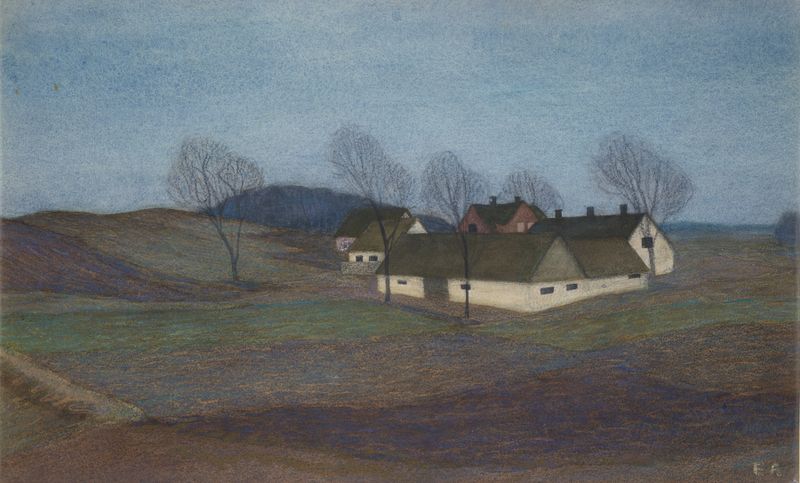
A Farm House in Själland
Ester Almqvist
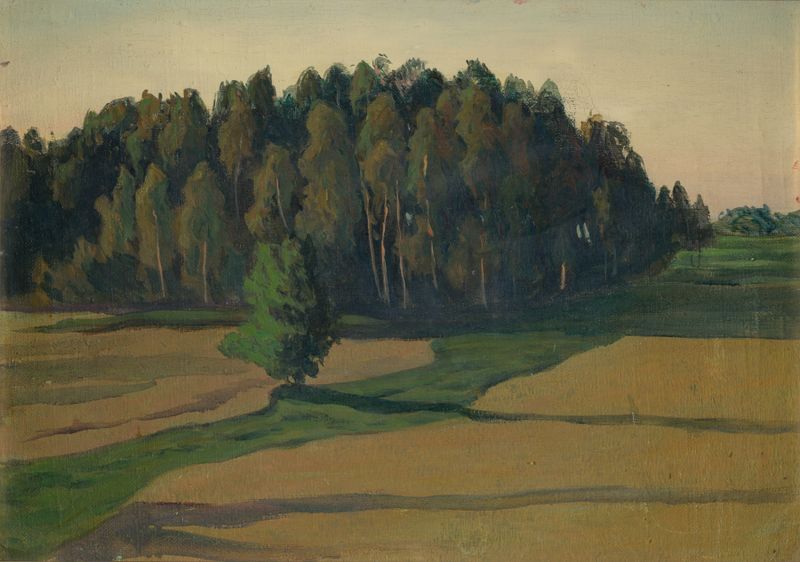
Field and Forest
Ester Almqvist

Autumn Ploughing in the Marshland
Ester Almqvist

Gothenburg Harbour with Boats in the Ice
Ester Almqvist





