Bifrons Park, Kent — History & Facts
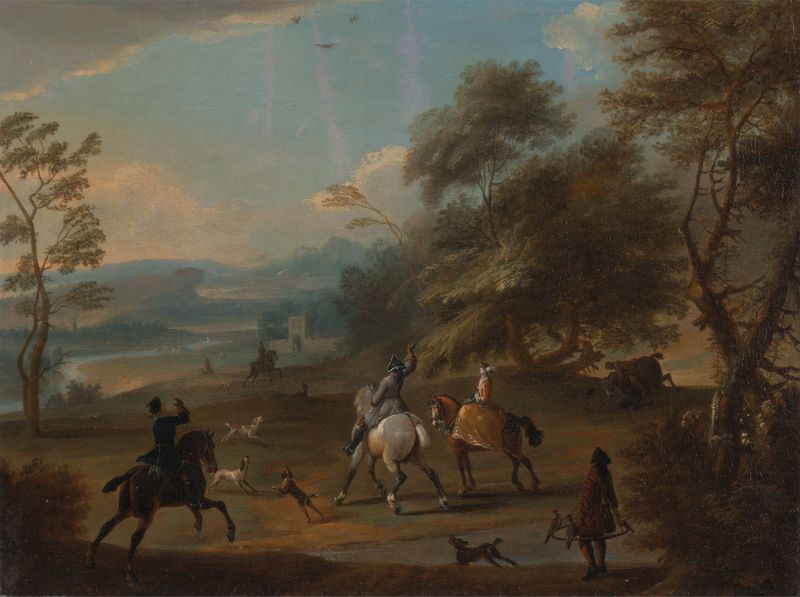
Is this a mirror — or a memory? In Bifrons Park, Kent, the essence of balance hangs delicately, inviting contemplation on the nature of our reflections and recollections. Look to the center of the composition, where the tranquil pond serves as a still mirror, capturing the lush greenery and dramatic sky. Notice how the artist employs soft brushstrokes to create an almost dream-like quality, enhancing the sense of serenity. The gentle hues of green and blue dominate the palette, punctuated by the warm earth tones of the path that leads into the verdant depths.
Each stroke conveys a meticulous attention to the interplay between light and shadow, crafting a scene that feels both inviting and elusive. Yet beneath this calm exterior, there exists a tension between nature and humanity. The figures in the painting, though present, seem almost secondary to the surrounding landscape, evoking a sense of solitude amidst the beauty. This contrast suggests the fragility of human experience against the backdrop of the eternal, as the park itself stands as a testament to nature's enduring presence.
The balance between these elements reflects a deeper narrative, questioning the permanence of memories amidst the ephemeral nature of life. Jan Wyck painted Bifrons Park, Kent during a period when he sought to marry the aesthetic principles of landscape with a more intimate portrayal of humanity's place within it. Working in the late 17th century, Wyck was influenced by the burgeoning interest in the English landscape tradition, drawing inspiration from the harmonious relationship found in nature. This work encapsulates his explorations during a time of artistic transition, balancing the formality of earlier styles with a burgeoning sense of individuality.