
Birch Tree Trunks — History & Facts
What secret hides in the quiet of the canvas? In the stillness of Birch Tree Trunks, there lies an undercurrent of both serenity and madness, inviting viewers to delve deeper into its tranquil façade. To appreciate this work fully, begin by focusing on the verticality of the birch trunks. Notice how the artist masterfully captures the texture of the bark, with its delicate white and grey striations dancing against the varying greens of the foliage. The light filters through the trees, casting soft shadows and creating an interplay of light and dark that pulsates with life.
The composition guides your eyes upward, drawing you into a world where nature’s calm hides an unsettling pulse beneath the surface. As you explore further, consider the emotional tensions present in the piece. The stark contrast between the sturdy trunks and the ethereal leaves above evokes a sense of duality — the strength of the birch against the fragile beauty of its canopy. This juxtaposition hints at the madness lurking in the depths of nature, a reminder that even the most serene settings can house tumultuous truths.
Perhaps it reflects the artist's own struggles, illustrating the thin line between tranquility and chaos. Theodor Blache painted Birch Tree Trunks between 1892 and 1910 during a period of significant transition in the art world. While Impressionism was coming to prominence, he sought to capture the essence of nature through a more introspective lens, mirroring his own search for meaning amid personal challenges. This era saw artists grappling with their mental landscapes, making Blache's exploration of the madness underlying tranquility particularly poignant.
More Artworks by Theodor Blache
Browse all →
Boggy Forest
Theodor Blache

Inside the Forest
Theodor Blache
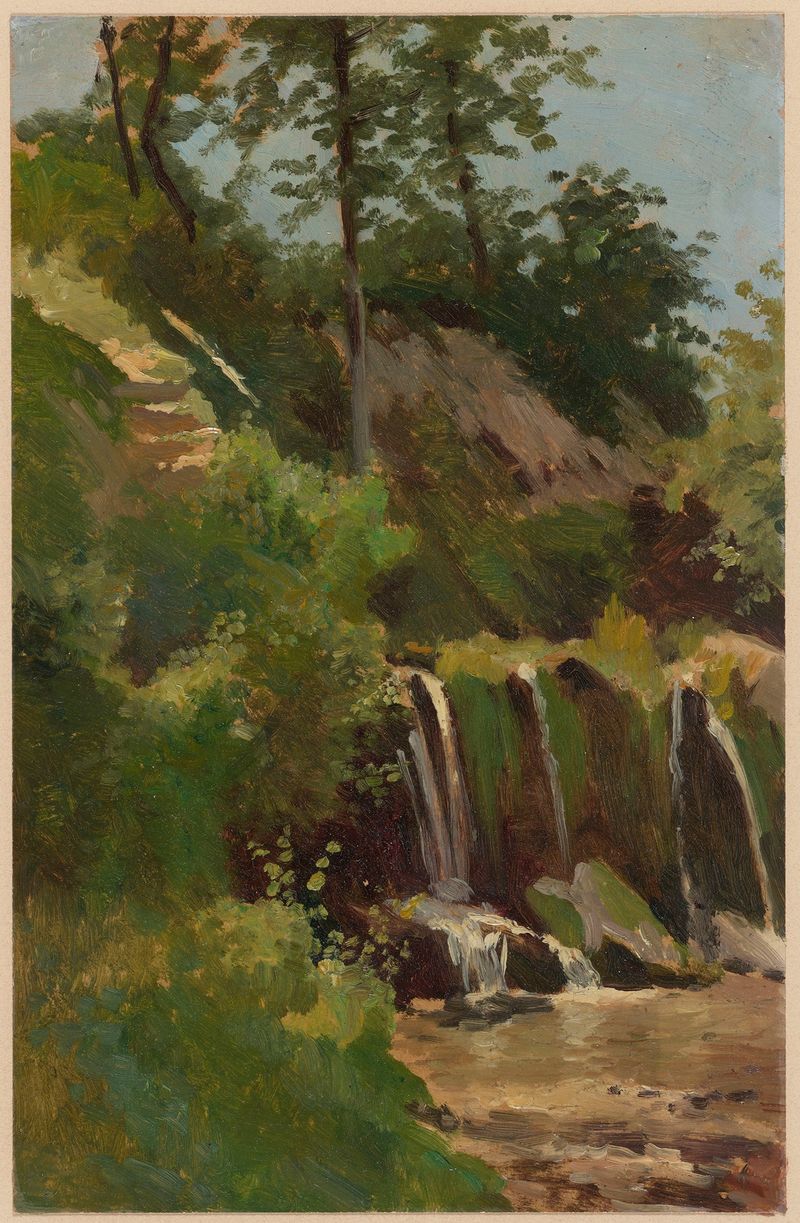
Landscape with a Waterfall
Theodor Blache
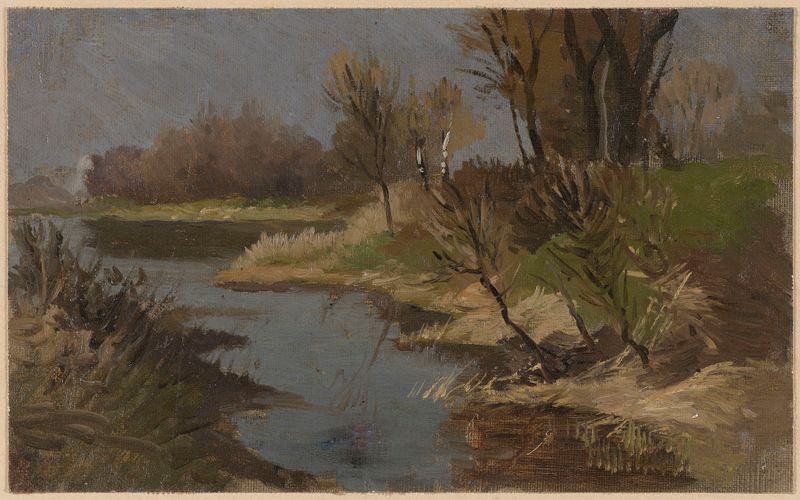
Landscape with a River
Theodor Blache

Forest Lanscape and a Pond
Theodor Blache

Landscape with a Sandy Road and a Rock
Theodor Blache
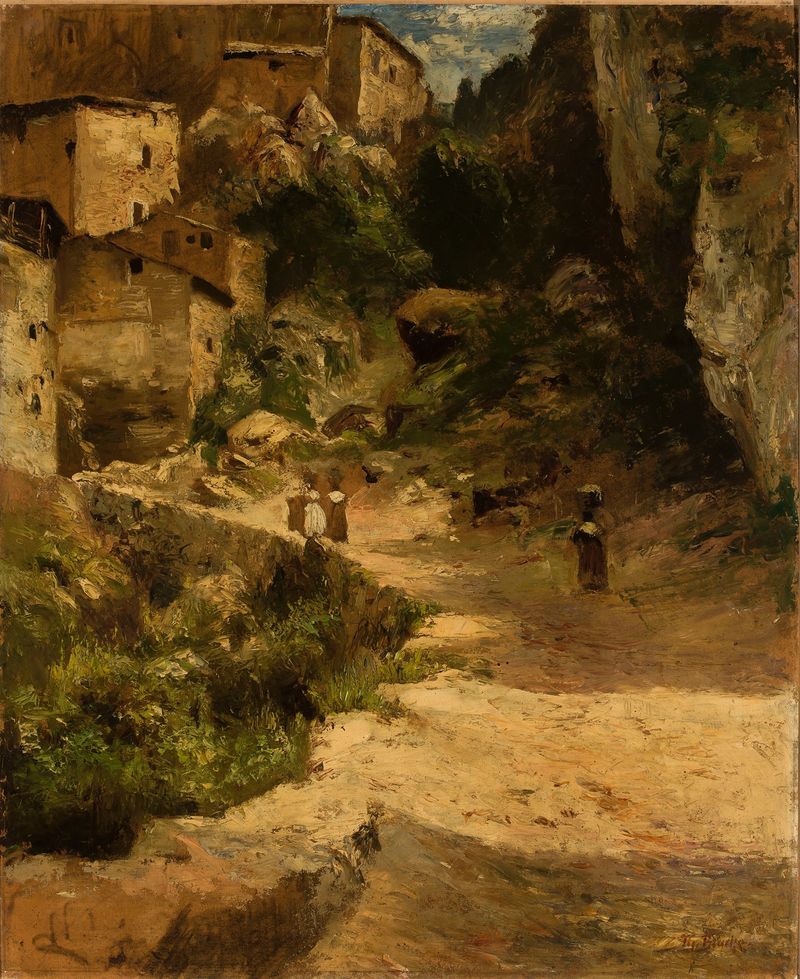
Landscape from Antakya
Theodor Blache

Autumn Trees near a Pond
Theodor Blache
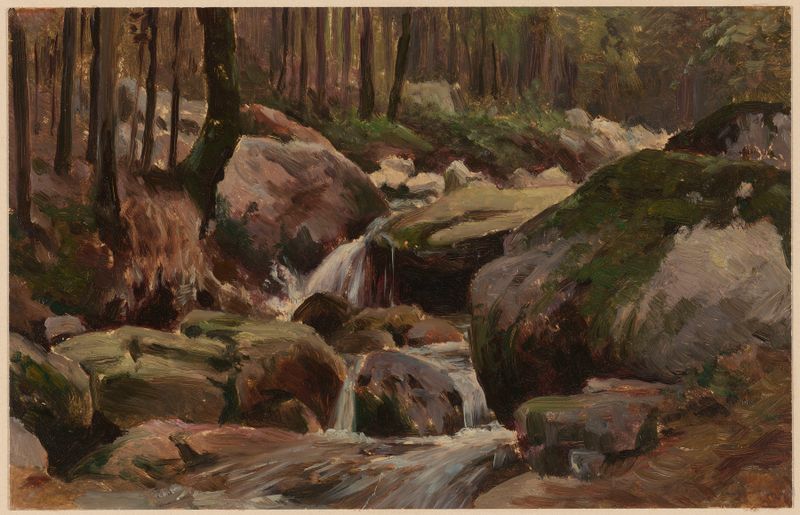
Mountain Stream with Boulders
Theodor Blache

Picking Berries in a Forest in the Summer
Theodor Blache





