
Landscape with a Sandy Road and a Rock — History & Facts
Is this a mirror — or a memory? In Landscape with a Sandy Road and a Rock, the viewer is invited to wander through a world that feels both familiar and ephemeral, where time and nature intertwine in a delicate dance. The painting whispers of decay, capturing a moment when the vibrant pulse of life begins to yield to the inevitable passage of time. Look closely at the sandy road that meanders through the composition, drawing your gaze toward the distant horizon. The warm earth tones dominate the palette, while dashes of green peek through dried grasses, hinting at life amidst desolation.
Notice how the light bathes the scene in an amber glow, creating a sense of nostalgia that envelops the viewer, and revealing the rough textures of the rock that stand as silent witnesses to nature’s cycle. Within the stillness, contrasts emerge — the vitality of the road against the stoic presence of the rock. It embodies the tension between movement and stagnation, evoking feelings of longing and loss. The gentle undulation of the landscape speaks of time's relentless march, while the rock's rugged permanence suggests resilience amid decay.
This harmony of opposites invites reflection on what may be left behind in our own journeys through life. Created between 1892 and 1910, Theodor Blache painted this piece during a period of significant artistic evolution in Europe. He was influenced by the transition from Impressionism to the emerging modernist movements, reflecting a deepening awareness of nature’s transitory beauty. As artists sought to convey emotional truths through their work, Blache’s canvas stands as a testament to the poignant interplay of time, memory, and the natural world.
More Artworks by Theodor Blache
Browse all →
Boggy Forest
Theodor Blache

Inside the Forest
Theodor Blache
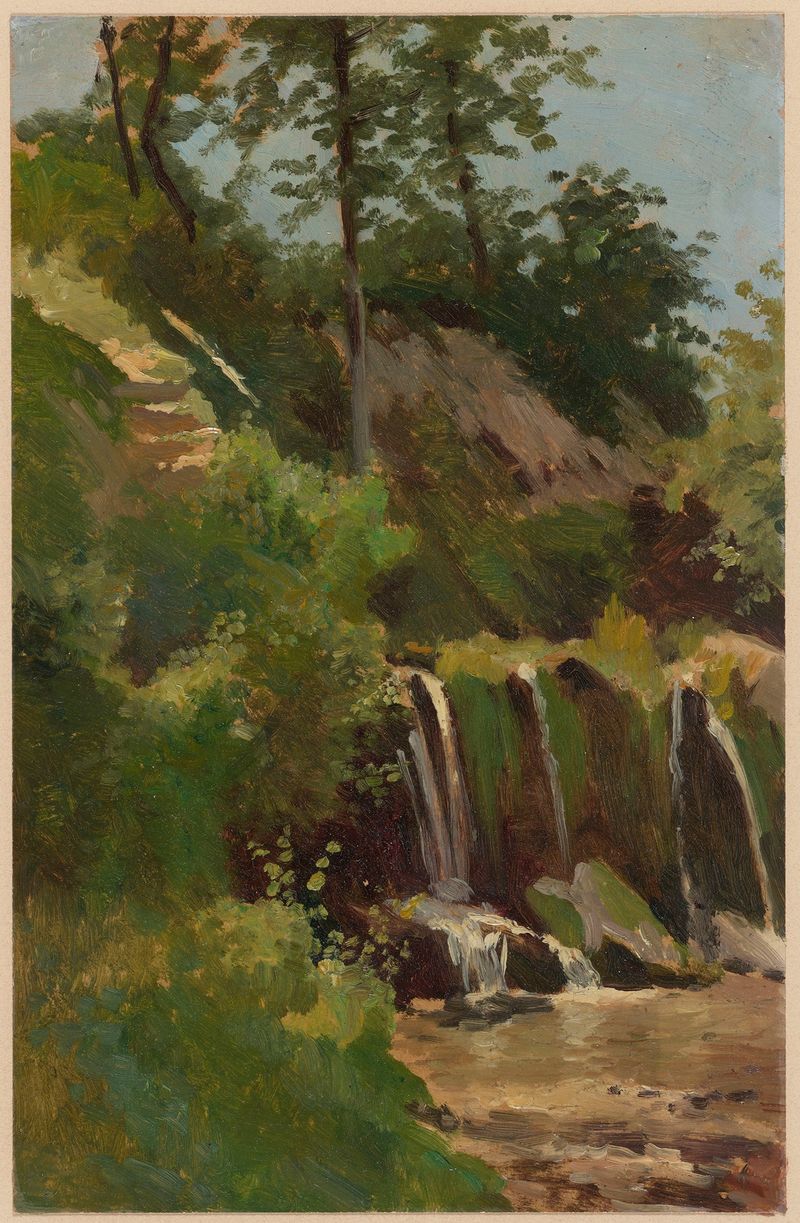
Landscape with a Waterfall
Theodor Blache
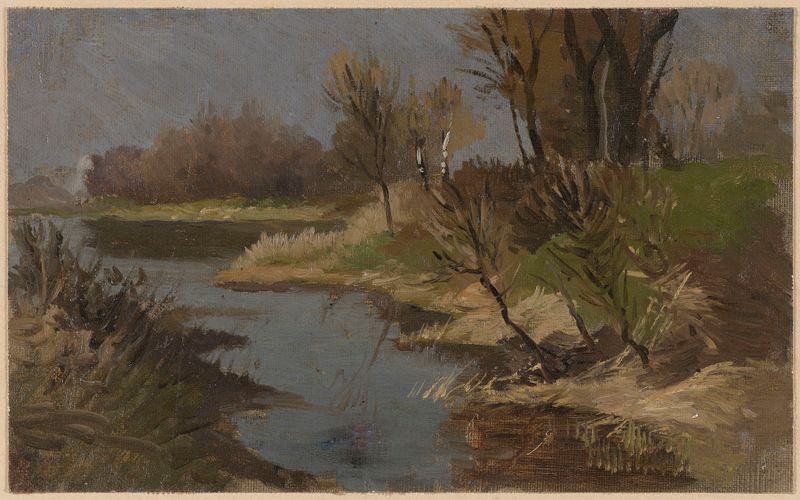
Landscape with a River
Theodor Blache

Forest Lanscape and a Pond
Theodor Blache
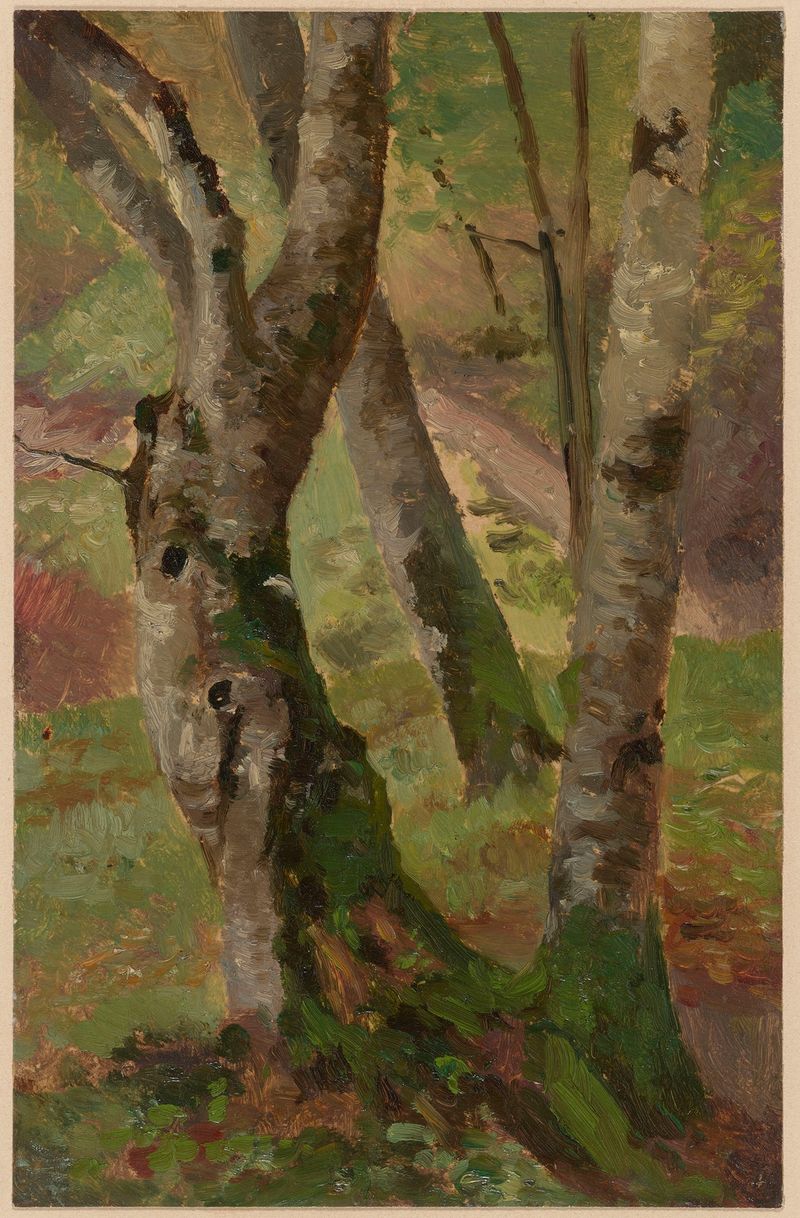
Birch Tree Trunks
Theodor Blache
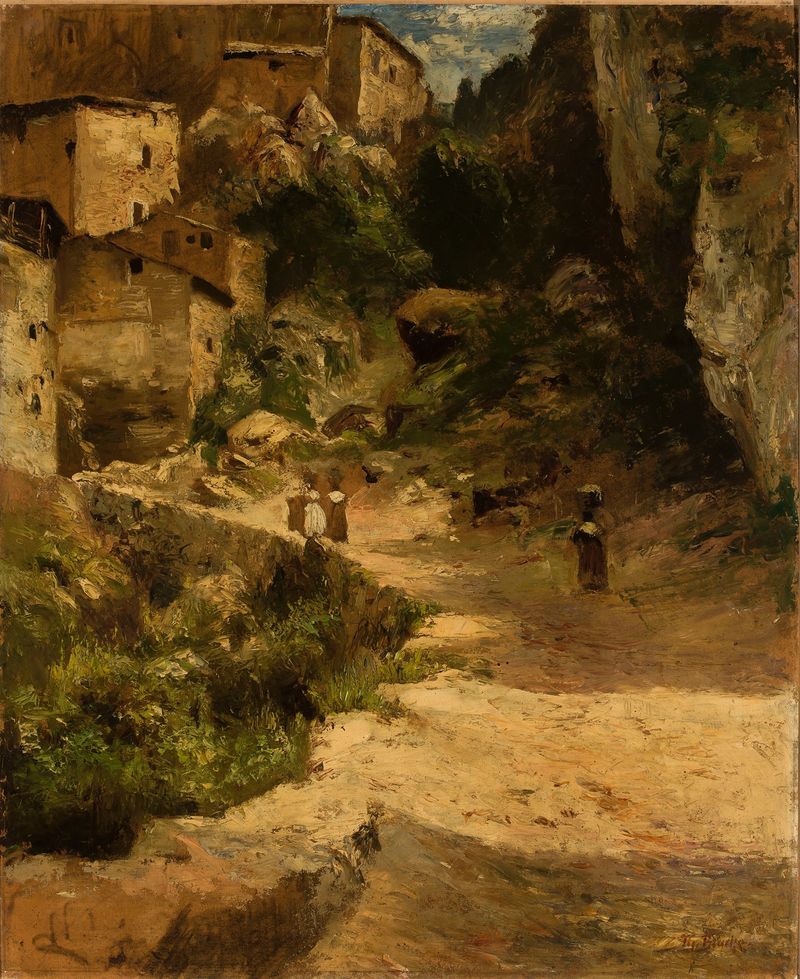
Landscape from Antakya
Theodor Blache

Autumn Trees near a Pond
Theodor Blache
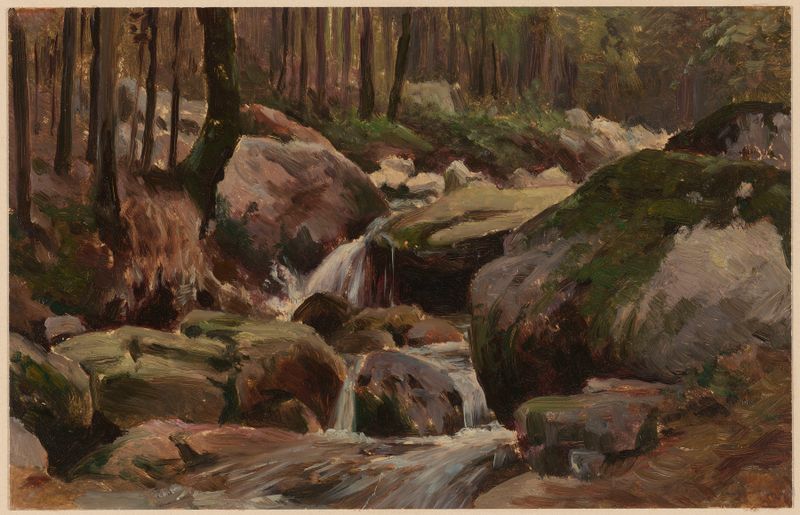
Mountain Stream with Boulders
Theodor Blache

Picking Berries in a Forest in the Summer
Theodor Blache





