Birkenallee in Bad Aibling — History & Facts
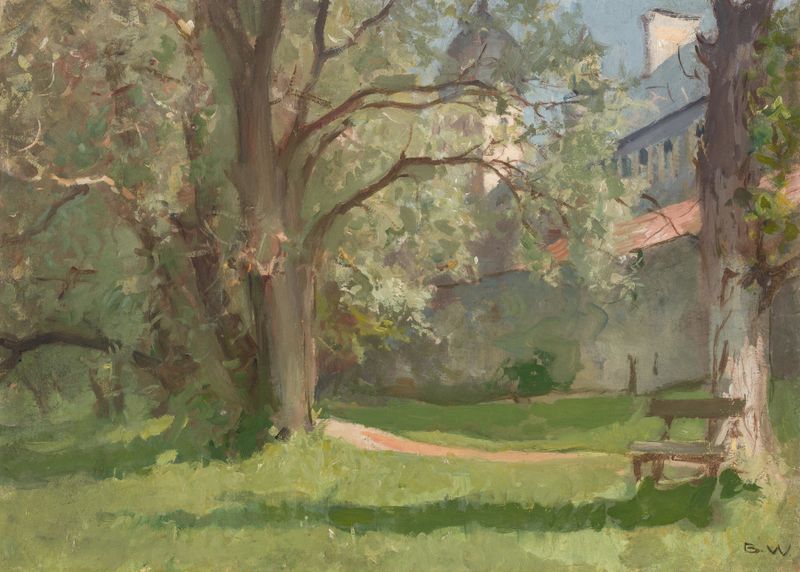
In this stillness, the unseen whispers of history hang heavy in the air, urging us to look closer and listen to what lies beneath the surface of this serene scene. Focus on the harmonious alignment of the tall trees that form a natural corridor down the pathway. The textures of the bark, with its earthy browns and greens, create an inviting sense of warmth, while the light dapples gently through the branches, casting playful shadows on the ground. Notice how the vibrant yet muted colors mirror a serene tranquility, yet hint at an underlying tension — the peace of this visual moment is but a veneer over deeper stories of conflict. Hidden within the idyllic charm of this landscape are echoes of violence, both personal and historical.
Each tree could symbolize the resilience of nature, standing tall through storms, yet they also hold the weight of memories from a tumultuous time. The juxtaposition of beauty and potential turmoil invites contemplation of what remains unspoken — perhaps loss, displacement, or the aftermath of conflict that has shaped the world surrounding Bad Aibling. Brynolf Wennerberg created this piece around 1940, during a time when Europe was on the brink of World War II. Living in Sweden, he was influenced by the societal shifts and upheaval surrounding him, reflecting a dual fascination with beauty and the darker undercurrents of human experience.
This painting serves as a testament to the tension of its era, embodying both the serenity of nature and the shadows of impending violence.