Birth of Bacchus — History & Facts
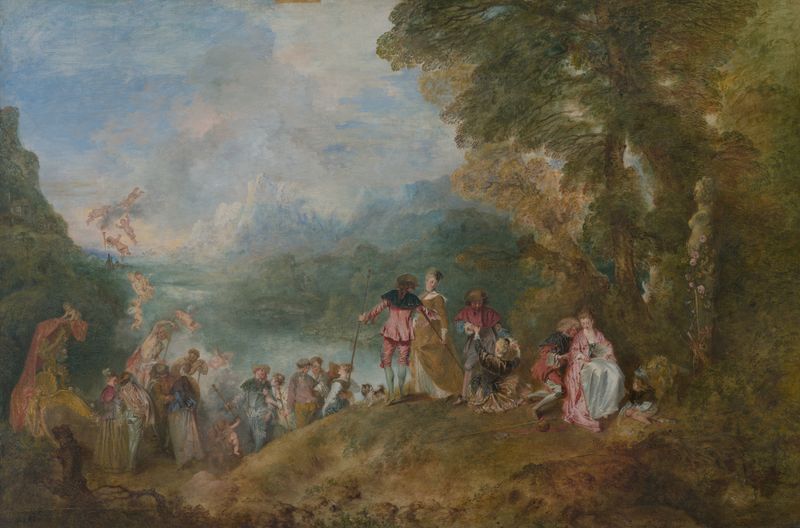
The canvas doesn’t lie — it simply waits. In the stillness of creation, what truths lie hidden beneath the surface, steeped in fear and longing? Look to the left at the figure of Bacchus, draped in rich, vibrant hues that echo his divine heritage. The interplay of shadow and light dances across his form, casting an ethereal glow that draws the eye.
Notice how the delicate brushwork captures the gentle sway of his body, the tension in the surrounding figures who seem both enamored and apprehensive. The background fades into a surreal landscape, hinting at a world both lush and foreboding, where joy and trepidation coexist. The artist imbues Bacchus not only with the joy of revelry but also with an unsettling vulnerability. The posture of the surrounding figures, particularly the watchful female, evokes a complex emotional landscape where adoration collides with apprehension — a reminder of the potential chaos that unchecked desire can unleash.
This duality raises questions about the thin line between ecstasy and fear, highlighting the unexpected consequences of liberation. In 1826, Károly Markó, Sr. was amidst a transformative period in European art, grappling with Romantic ideals while navigating personal challenges. Living in Italy, he was influenced by the classical heritage surrounding him, yet sought to infuse his work with emotional depth and complexity.
This painting reflects both the artistic currents of his time and his inner turmoil, embodying a moment where the divine meets the fragile human spirit.