
Bâle et Petit Bâle Vue prise depuis St. Jean — History & Facts
In Bâle et Petit Bâle Vue prise depuis St. Jean, divinity and melancholy coexist, inviting viewers to ponder the fragility of life through the lens of a cityscape. Look to the horizon where the skyline of Basel emerges, gently cradled by the River Rhine. Notice how the delicate brushwork captures the soft interplay of twilight, with warm golden hues reflecting off the water's surface, while cooler blues deepen the shadows of the landscape.
This contrast draws the eye into the heart of the city, where architectural forms rise like silent sentinels, each detail meticulously crafted to evoke a sense of place and time. Within the work, the juxtaposition of the serene river and the bustling city life beneath offers a narrative filled with emotional tension. The winding path of the Rhine symbolizes the passage of time, while the steadfast buildings represent human resilience. Hidden among the vibrant strokes, one may find hints of chaos nestled within the calm, suggesting that beauty often conceals the struggles rooted in its creation. Jean Jacottet painted this piece during a period marked by a blend of neoclassical influence and burgeoning modernism.
Although the exact date remains uncertain, his work reflects a transitional moment in the late 19th century when artists sought to capture both the harmony and discord of urban life. As he stood on that hillside in St. Jean, he was not only observing a city but also grappling with the rapidly changing world around him.
More Artworks by Jean Jacottet
Browse all →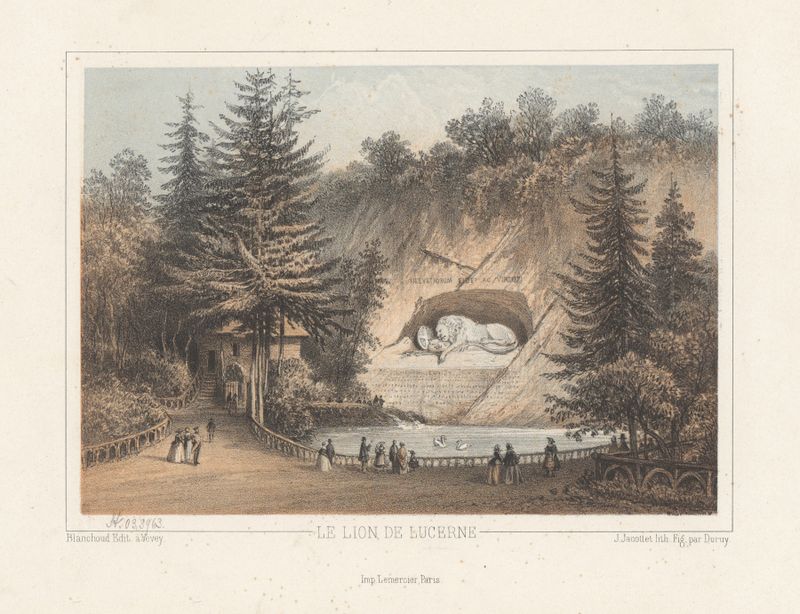
Le lion de Lucerne
Jean Jacottet
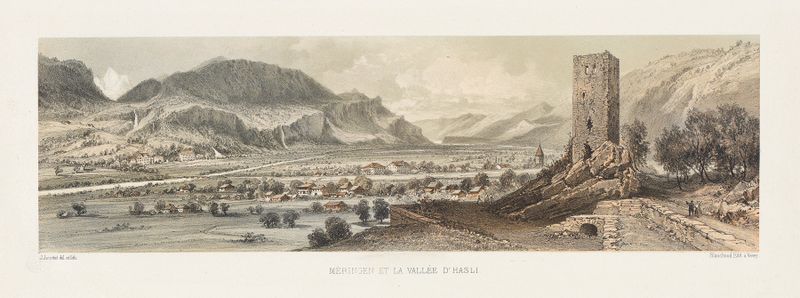
Méringen et la vallée d’Hasli
Jean Jacottet
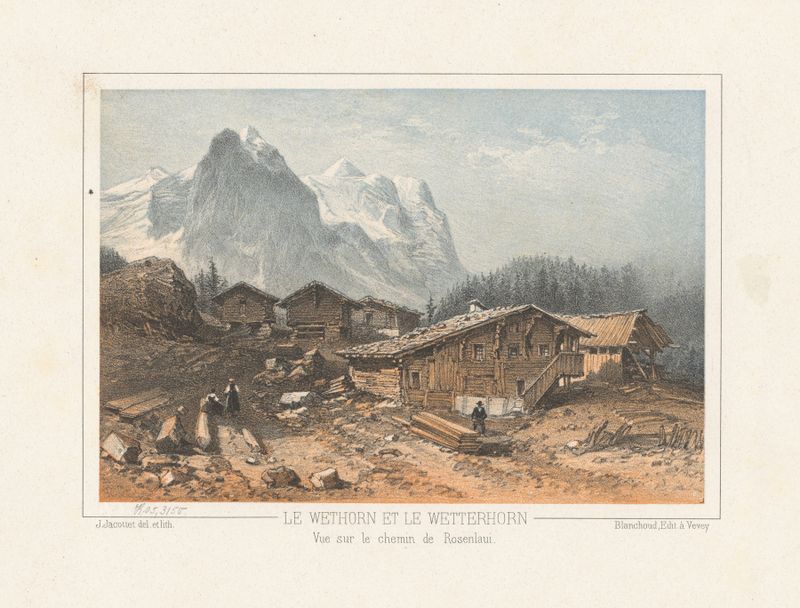
Le Wethorn et le Wetterhorn Vue sur le chemin de Rosenlaui
Jean Jacottet
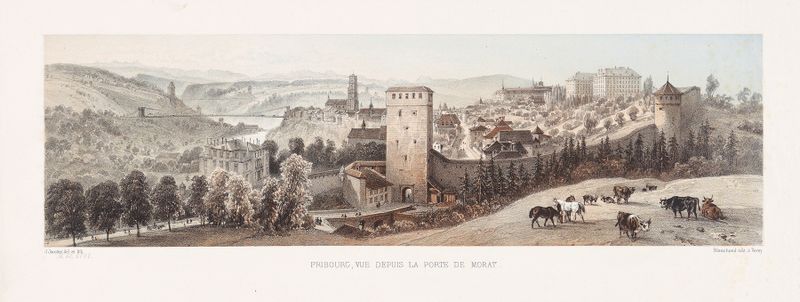
Fribourg, vue depuis la porte de Morat
Jean Jacottet
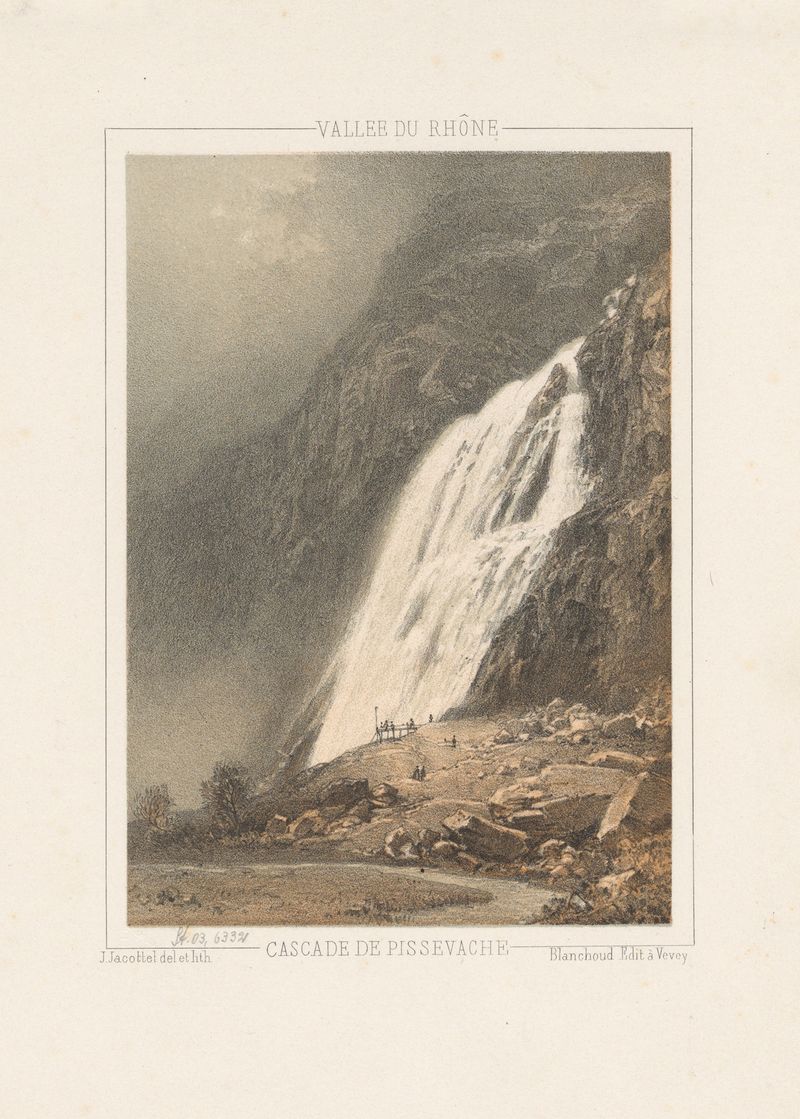
Cascade de Pissevache
Jean Jacottet
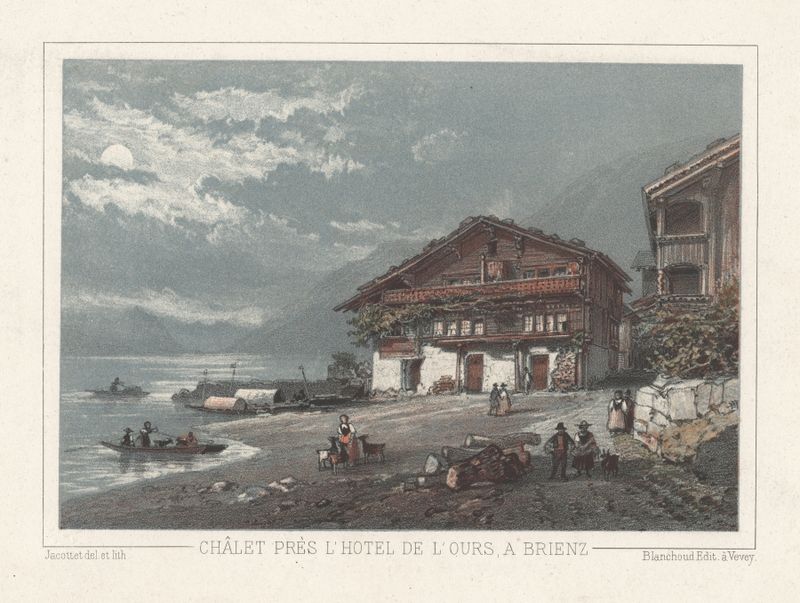
Châlet près l’Hotel de l’Ours, a Brienz
Jean Jacottet
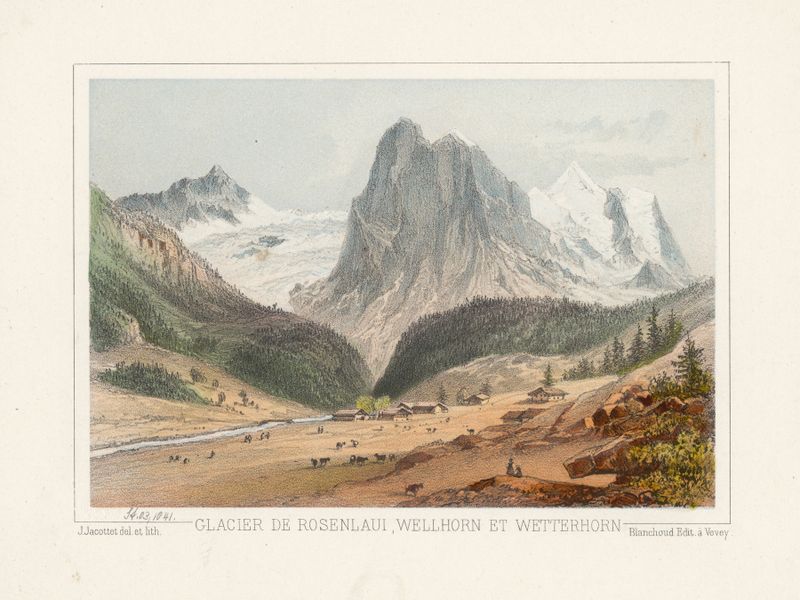
Glacier de Rosenlaui, Wellhorn et Wetterhorn
Jean Jacottet
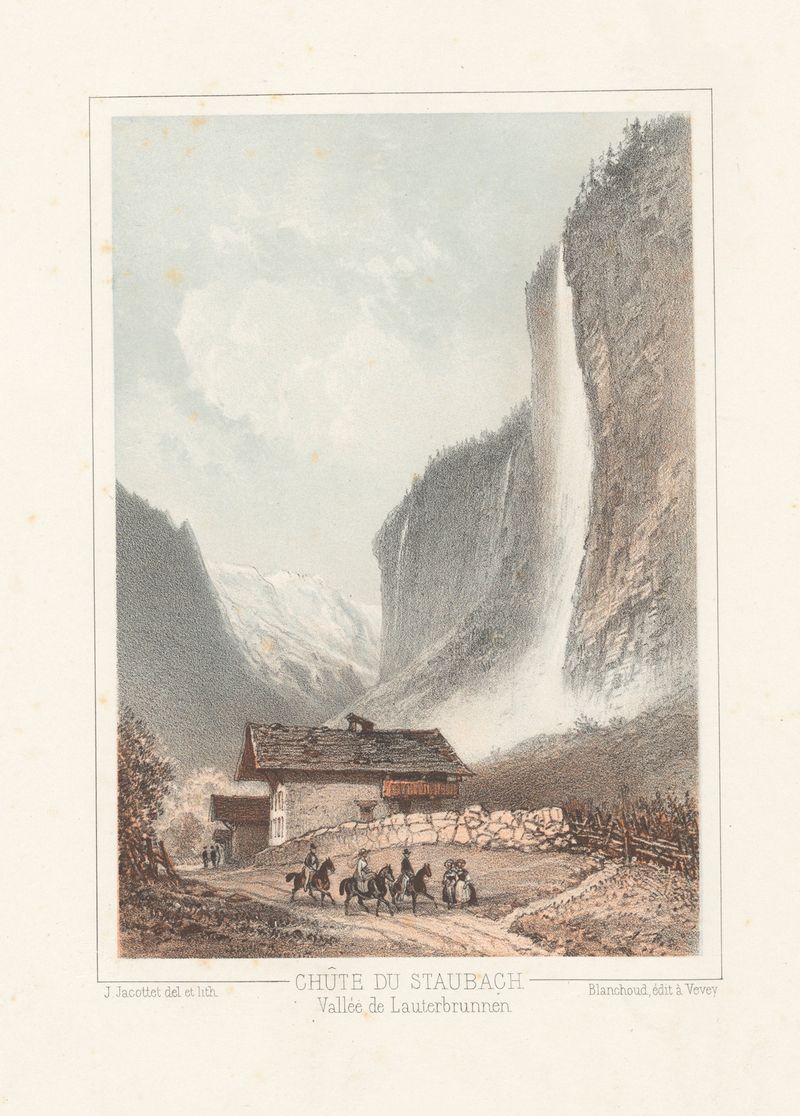
Chûte du Staubach Vallée de Lauterbrunnen
Jean Jacottet
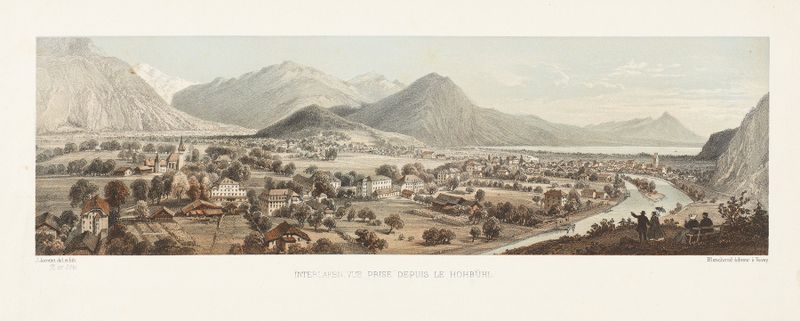
Interlaken, vue prise depuis le Hohbühl
Jean Jacottet
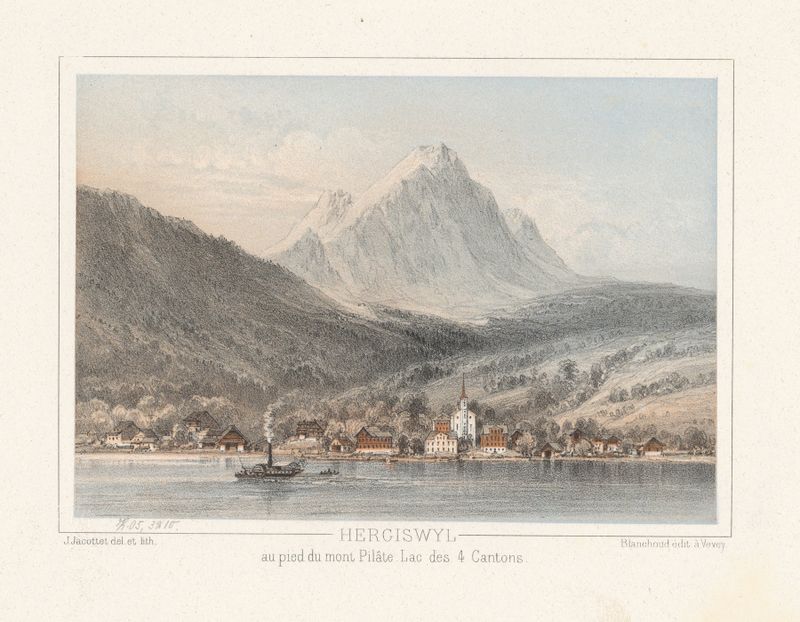
Hergiswyl au pied du mont Pilâte. Lac des 4 Cantons
Jean Jacottet





