
Blick auf den Schneeberg — History & Facts
When did color learn to lie? A revelation unfolds within each brushstroke, challenging the authenticity of the landscape before us. Look to the foreground, where the gentle slope of the grassy knoll dips softly against a vivid sky, illuminated by a palette that dances between deep blues and vibrant whites. Notice how the painter captures not just the mountain's grandeur, but also the delicate interplay of light and shadow, crafting a sense of depth. The meticulous detail in the snow-capped peaks contrasts sharply with the verdant hues of the valley, creating a harmonious balance that invites the viewer to linger. As the eye travels through the composition, the emotional tension between the warm earth tones and the cool, crystalline whites becomes evident.
This juxtaposition evokes a sense of tranquility, yet also hints at the struggle between nature's serenity and its harsh realities. The mountain, both majestic and aloof, stands as a silent witness to the transient beauty of the valley below — an emblem of both hope and isolation. In 1860, Toma created this work during a period marked by Romanticism's influence in the art world, where nature was revered as a subject of exploration and reflection. Painted in the Austrian Alps, he sought to convey a personal yet universal sense of awe and reverence for the landscape.
At this time, artists were increasingly drawn to the sublime aspects of nature, imbuing their works with emotional resonance as they grappled with the complexities of human experience amidst the grandeur of the natural world.
More Artworks by Matthias Rudolf Toma
Browse all →
Blick auf Wien vom Krapfenwaldl
Matthias Rudolf Toma
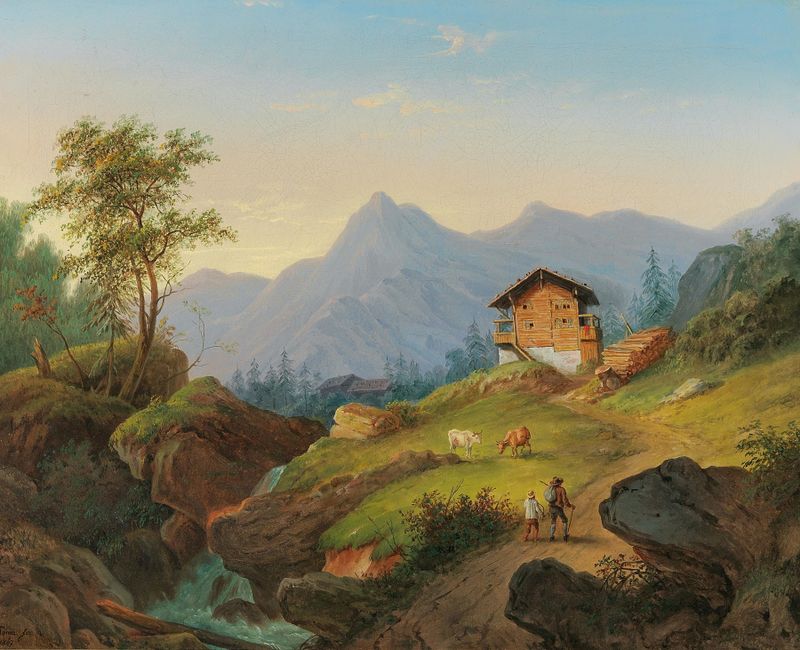
Gebirgslandschaft mit Wanderern
Matthias Rudolf Toma

Partie aus dem Prater mit fischenden Knaben
Matthias Rudolf Toma

Mühle bei Schottwien
Matthias Rudolf Toma
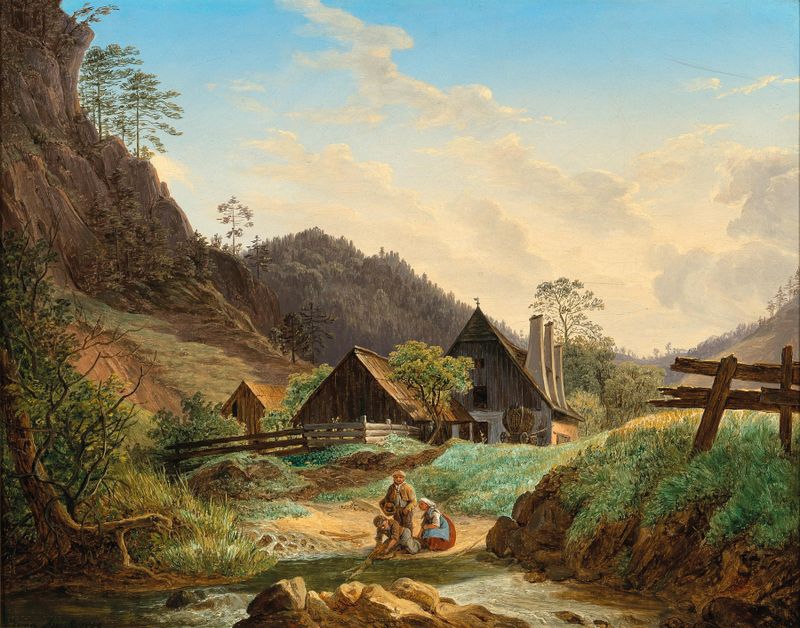
By a Mountain Creek
Matthias Rudolf Toma

Felsenpartie bei Schottwien
Matthias Rudolf Toma
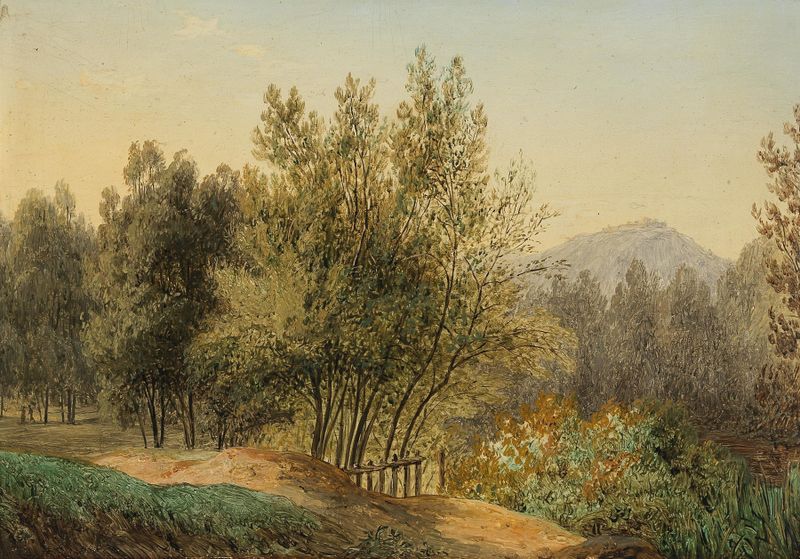
Landscape
Matthias Rudolf Toma
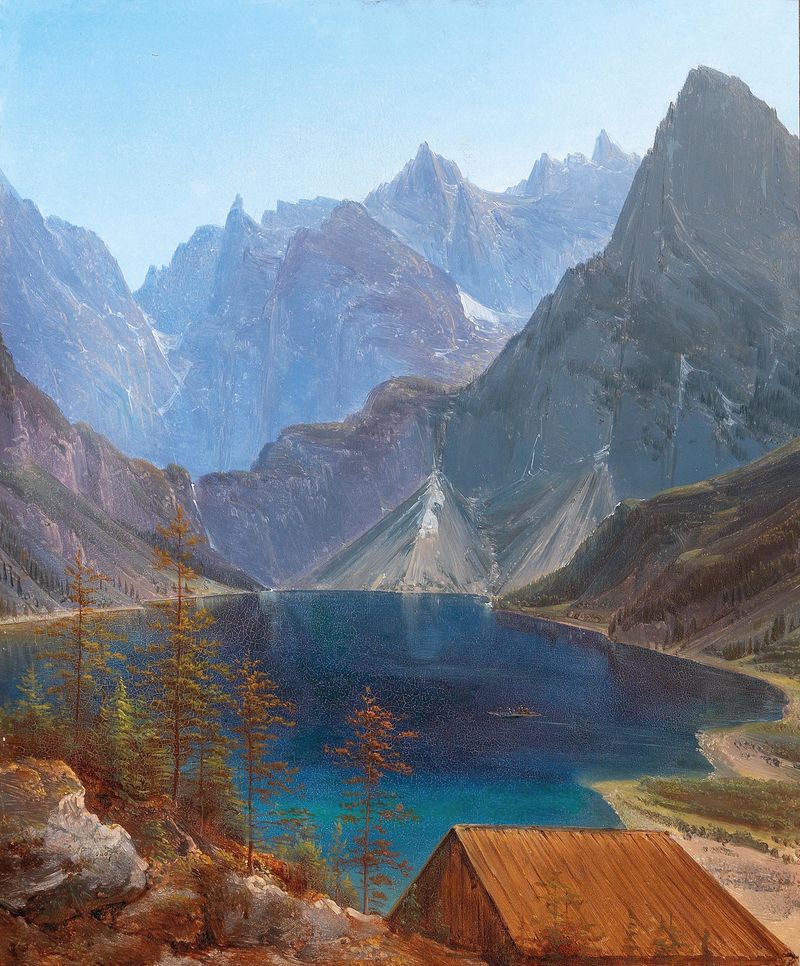
Mountain Lake
Matthias Rudolf Toma
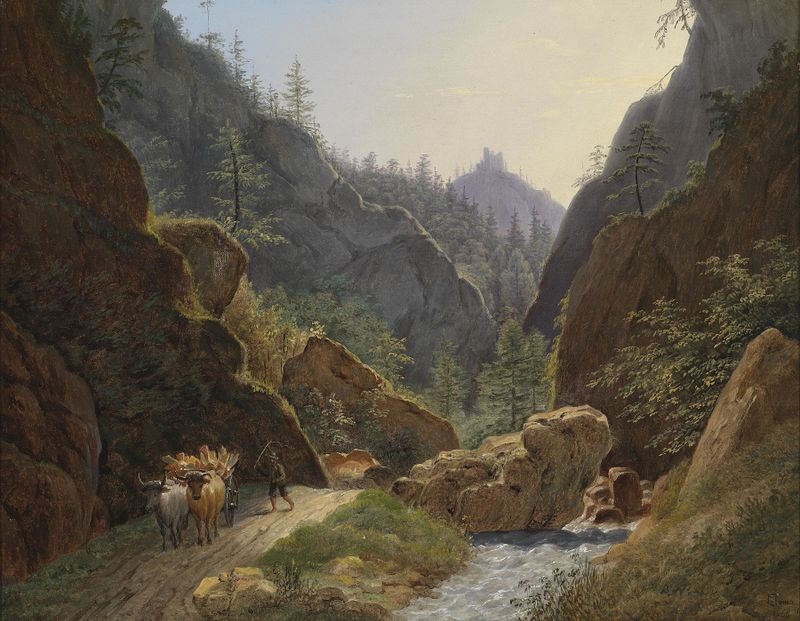
Bauer mit Ochsengespann bei Schottwien
Matthias Rudolf Toma
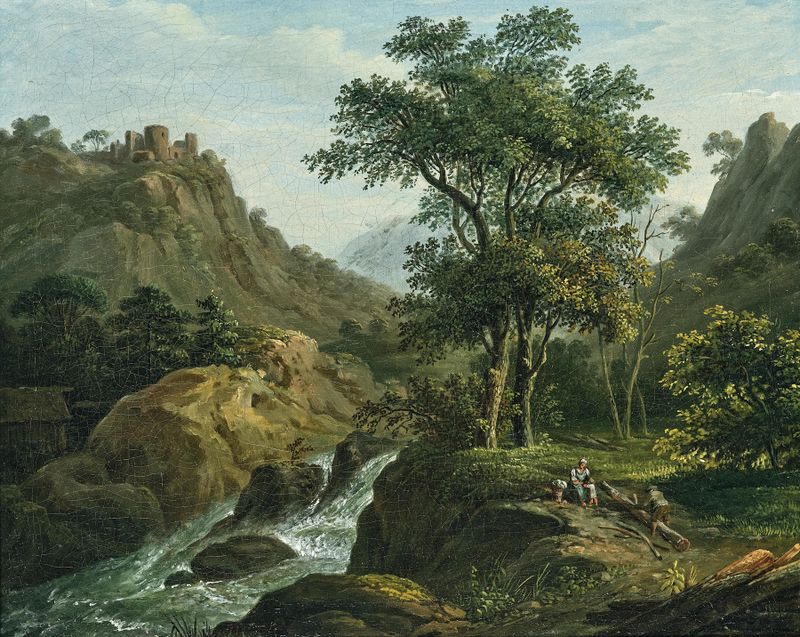
Loggers by a river
Matthias Rudolf Toma





