
Gebirgslandschaft mit Wanderern — History & Facts
In a realm of unmatched beauty, the mountains tower majestically, inviting the weary traveler to commune with nature's divinity. This landscape speaks to those who pause, breathe, and surrender to the quiet splendor of untouched wilderness. Look to the foreground, where a couple of wanderers, clad in the attire of the 19th century, embark on a journey across the lush green meadow. Their figures contrast with the towering peaks that loom in the background, a symphony of blues and whites painted with delicate brushstrokes that convey the cold embrace of the mountain air.
Notice how light dances across the rugged terrain, accentuating the depth and texture of the rocks, while the soft clouds above hint at ethereal visions that might exist beyond the earthly realm. The juxtaposition of the small, human figures against the vastness of the landscape evokes a profound sense of humility and introspection. The serene beauty of the mountains suggests an awe-inspiring divinity, while the wanderers’ determined stride implies a quest for enlightenment. The subtle play of light and shadow creates an emotional tension; the figures remain grounded, yet they are drawn upward, as if seeking to touch the sublime heights that symbolize the aspirations of the human spirit. Matthias Rudolf Toma painted this work in 1867, during a time when the Romantic movement was reaching its zenith.
Inspired by the beauty of the Alps and the burgeoning interest in nature's power, Toma sought to capture not just a physical landscape but a deeper connection to the divine. As artists began exploring individuality and emotional expression, his work reflected the longing for transcendence in an ever-changing world.
More Artworks by Matthias Rudolf Toma
Browse all →
Blick auf Wien vom Krapfenwaldl
Matthias Rudolf Toma

Partie aus dem Prater mit fischenden Knaben
Matthias Rudolf Toma
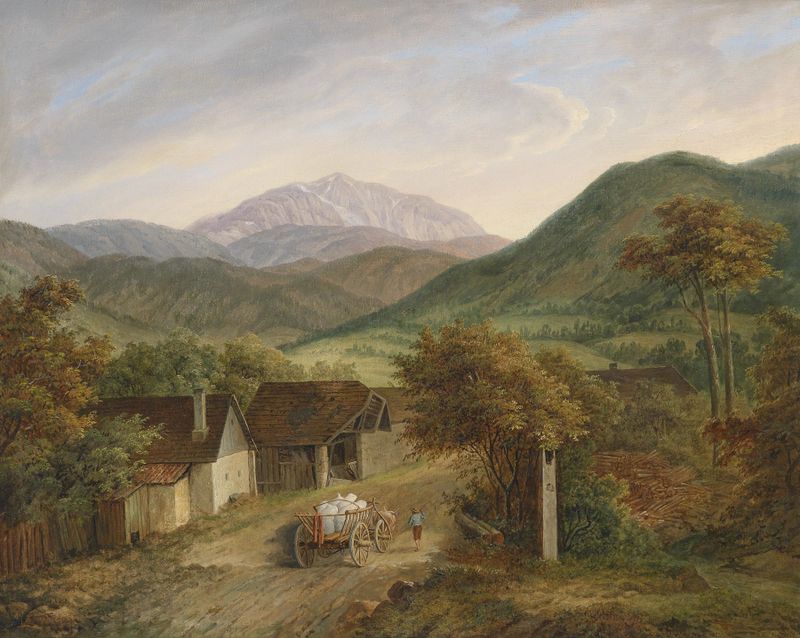
Blick auf den Schneeberg
Matthias Rudolf Toma

Mühle bei Schottwien
Matthias Rudolf Toma
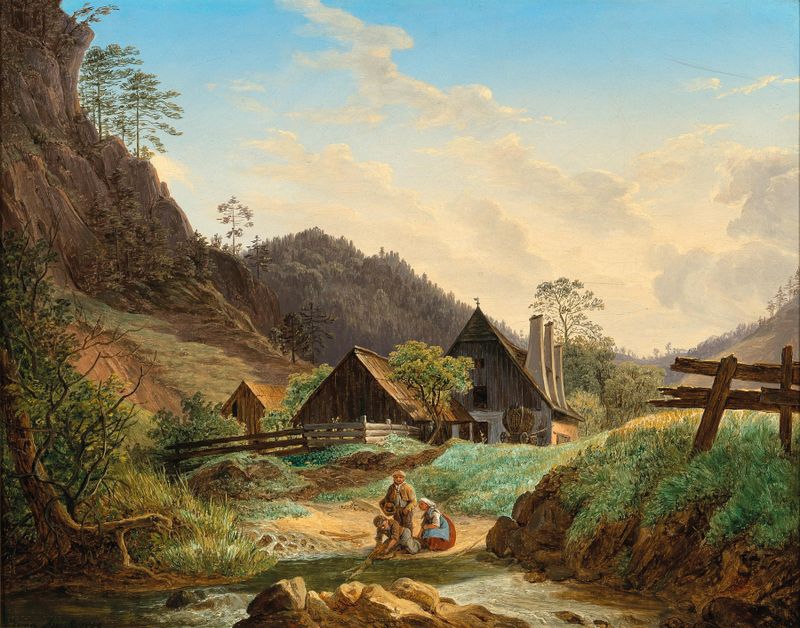
By a Mountain Creek
Matthias Rudolf Toma

Felsenpartie bei Schottwien
Matthias Rudolf Toma
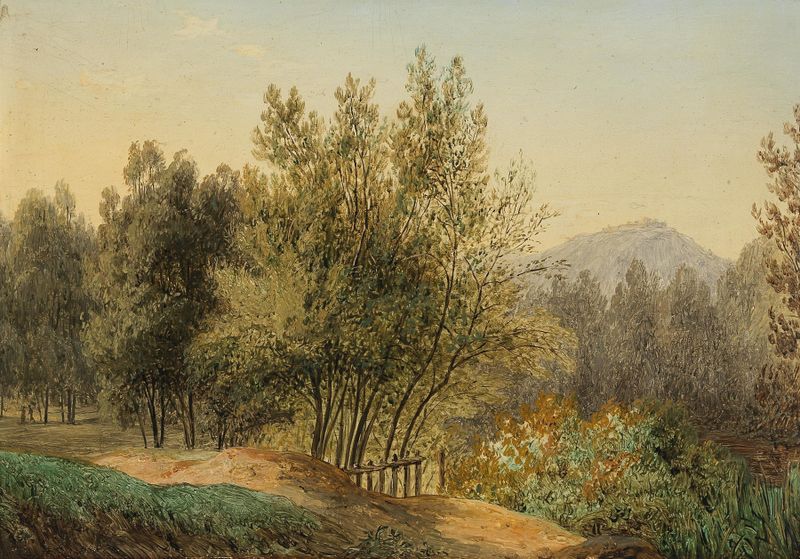
Landscape
Matthias Rudolf Toma
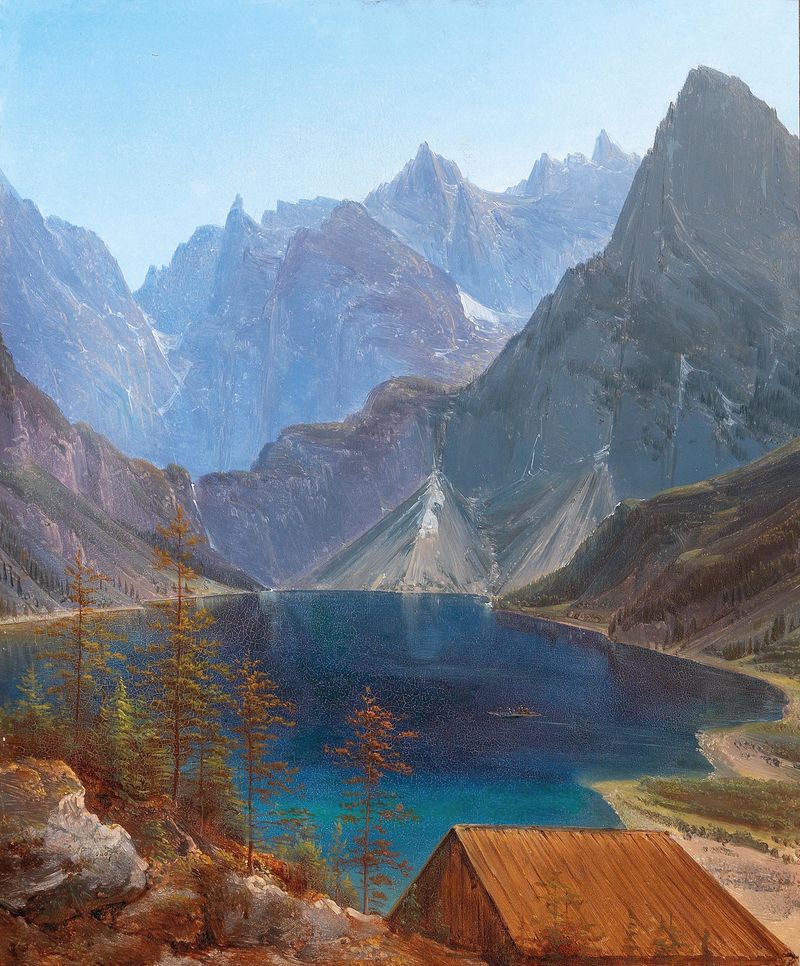
Mountain Lake
Matthias Rudolf Toma
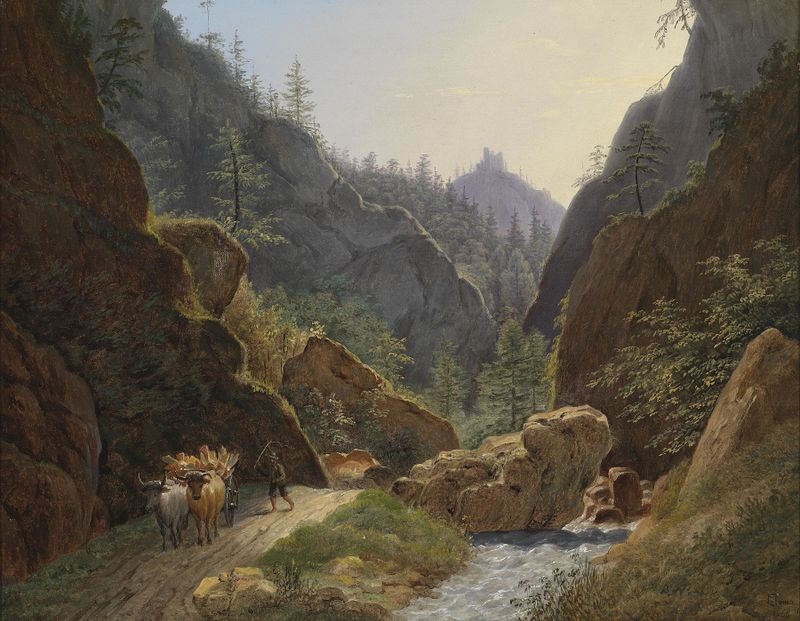
Bauer mit Ochsengespann bei Schottwien
Matthias Rudolf Toma
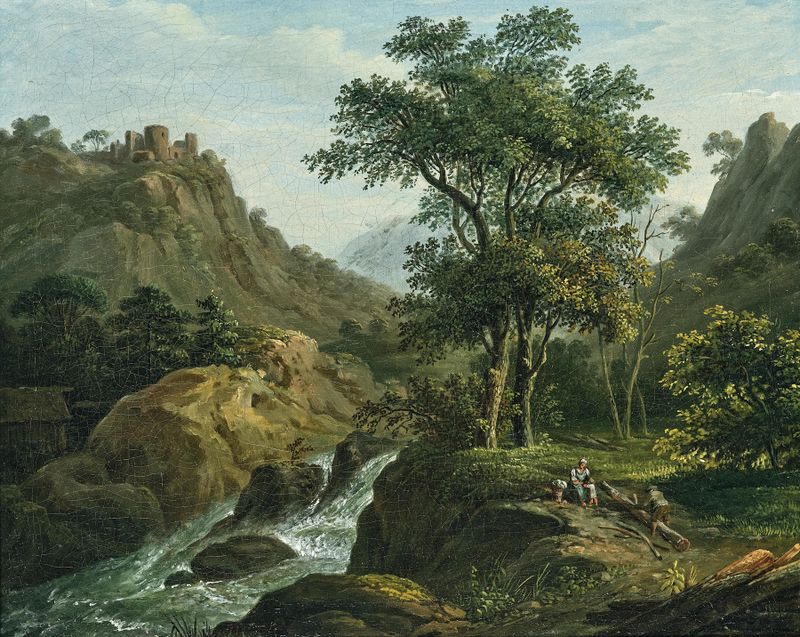
Loggers by a river
Matthias Rudolf Toma





