Blick auf Konstanz — History & Facts
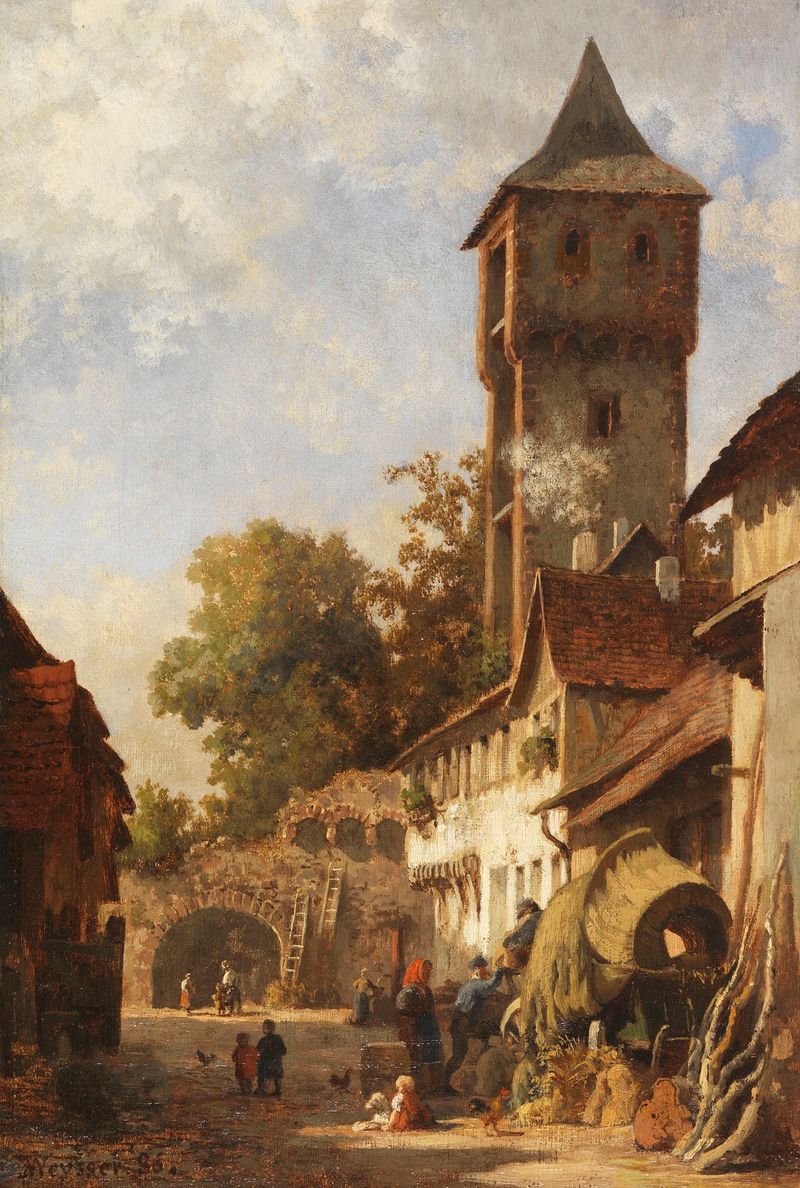
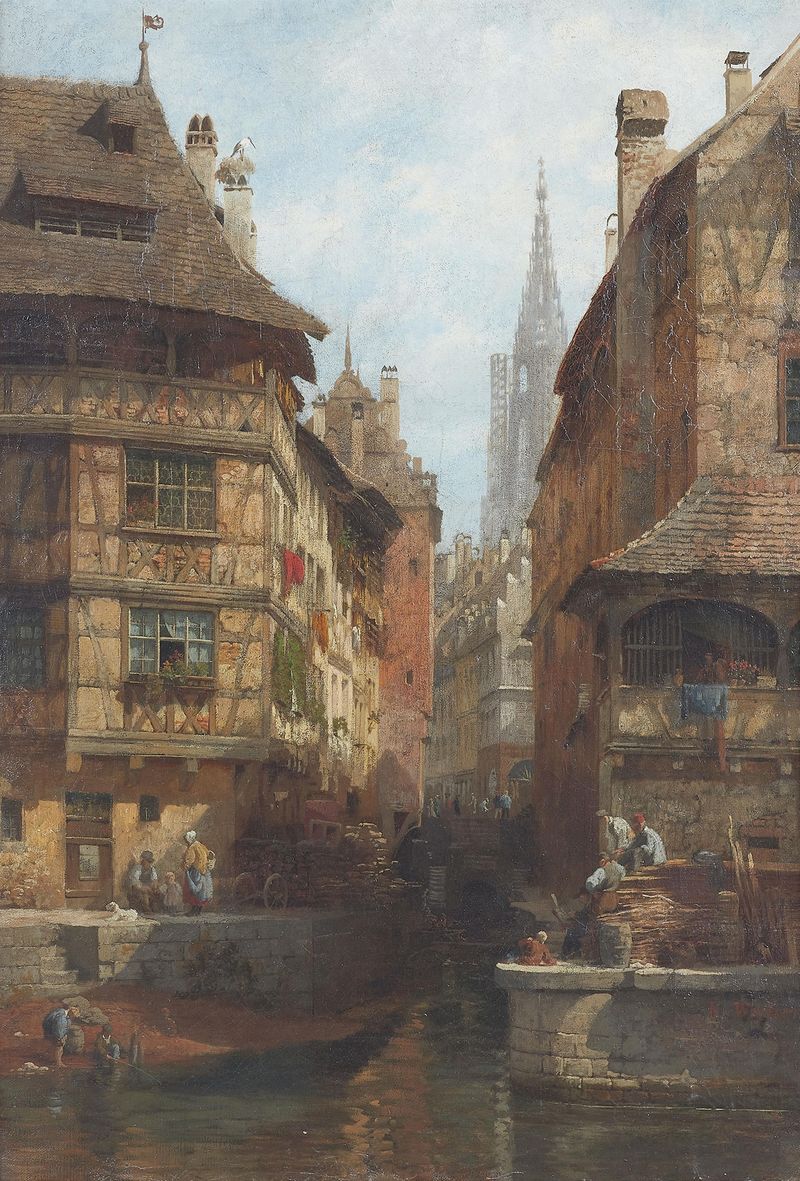
What secret hides in the quiet of the canvas? In Blick auf Konstanz, a tranquil moment unfolds, whispering the depths of faith and contemplation in every brushstroke. Look to the foreground where the gentle waves of the Bodensee caress the shore, their movement captured in soft, layered strokes of blue and green. The eye is naturally drawn upwards towards the architectural silhouettes of Konstanz, their details lovingly rendered in earthy browns and warm grays. Notice how the light breaks through the clouds, casting an ethereal glow upon the scene, illuminating the spires that seem to reach for a higher calling, inviting you to consider their place in a larger narrative. The contrast between the still water and the towering buildings suggests a delicate balance between the earthly and the divine.
Each element in this serene composition hints at a deeper connection to faith; the churches, often symbols of refuge and hope, stand resilient against the backdrop of nature’s vastness. The subtle transitions of color evoke a sense of harmony, yet the looming clouds hint at the struggles that often accompany belief, urging viewers to reflect on their own spiritual journeys. Created in 1889, during a time when the European art scene was grappling with modernization and changing social dynamics, the artist painted this piece in his native Germany. Weysser’s work reflects the burgeoning interest in both realism and impressionism as artists sought to capture their environments with authenticity.
In this context, his portrayal of Konstanz resonates with the collective yearning for stability and faith amidst the tumult of an ever-evolving world.