
Blick auf Salzburg — History & Facts
Did the painter know this moment would outlive them? In the quiet embrace of twilight, where the sky blends softly into hues of lavender and rose, the city of Salzburg rests like a cherished memory, poised on the cusp of dusk. This landscape captures not just a place, but the weight of time itself, a fleeting snapshot of beauty laced with an underlying melancholy. Look to the left at the silhouette of the fortress, its sturdy walls rising against the softening sky, while delicate brushstrokes convey the undulating hills that cradle the city. The gentle gradation of colors draws the eye towards the river, where the reflections shimmer with hints of gold, suggesting life that flows both within and beyond the frame.
Notice how the faint clouds, tinged with the day's final light, hover above the rooftops, infusing the scene with both serenity and an ever-present sense of longing. Within this serene vista lies an emotional tension between permanence and impermanence. The fortress stands unwavering, a guardian of memories, while the fading light encapsulates the transient nature of each moment. The juxtaposition of these elements invites contemplation on the passage of time and the fleeting beauty of the everyday, encouraging viewers to reflect on their own experiences of loss and nostalgia. Created in the 19th century, Blick auf Salzburg emerged from the hand of Johann Wilhelm Jankowski during a period marked by a rising interest in Romanticism.
Working at a time when artists increasingly turned to nature for inspiration, Jankowski sought to encapsulate the essence of his surroundings. This piece reflects both his personal connection to the landscape and the broader cultural shift towards valuing emotional depth in art.
More Artworks by Johann Wilhelm Jankowski
Browse all →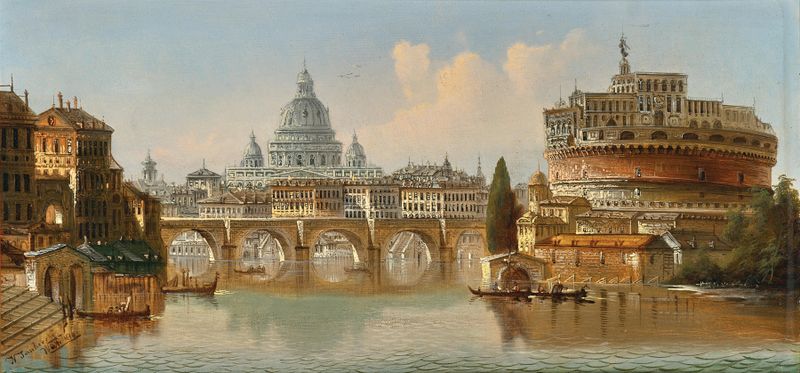
Rome, a View of Castel Sant’Angelo and St. Peter
Johann Wilhelm Jankowski
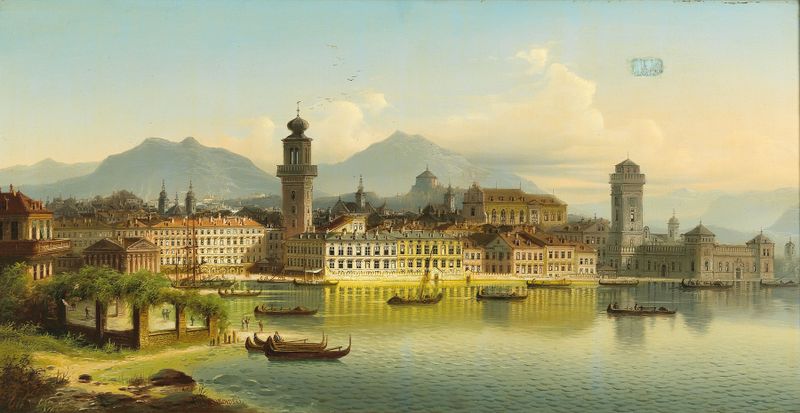
View of Riva on Lake Garda
Johann Wilhelm Jankowski
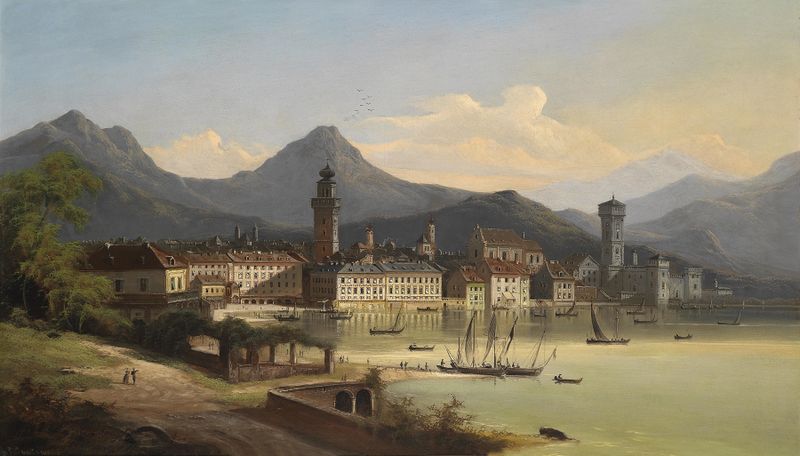
Riva am Gardasee
Johann Wilhelm Jankowski
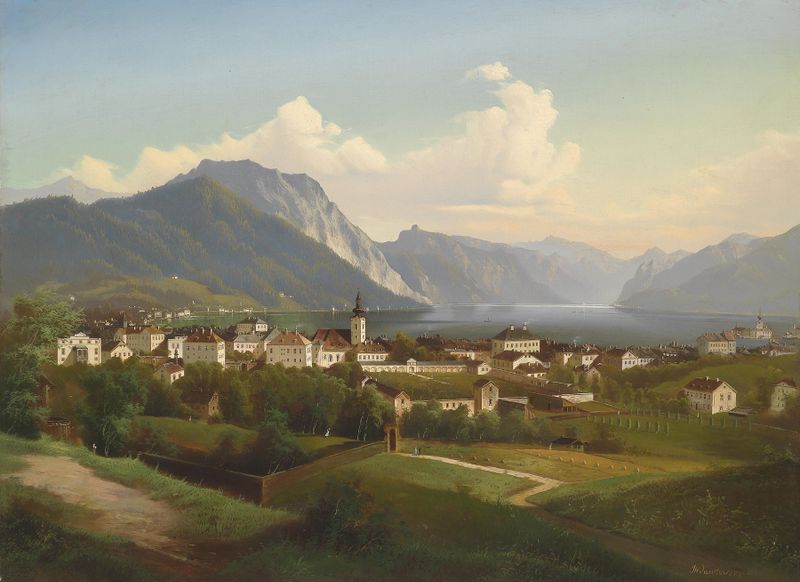
Blick auf Gmunden mit Schloss Orth
Johann Wilhelm Jankowski
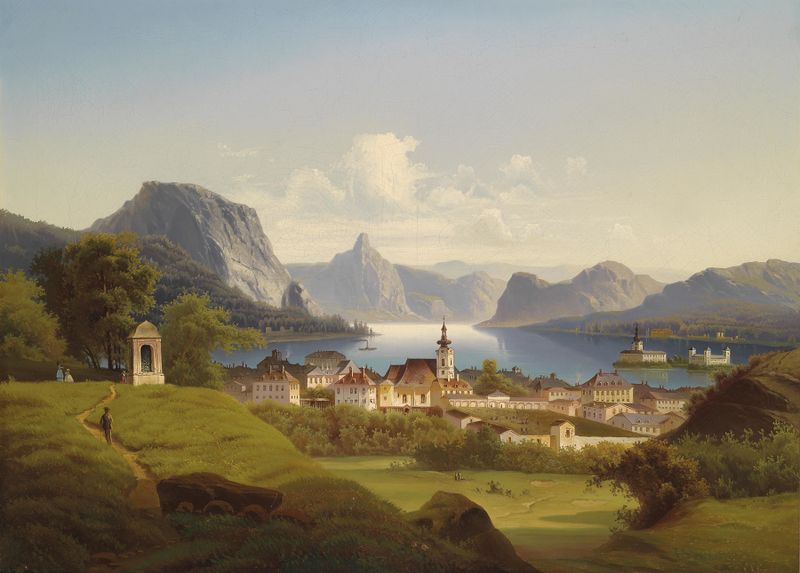
Blick auf Gmunden mit Schloss Orth
Johann Wilhelm Jankowski
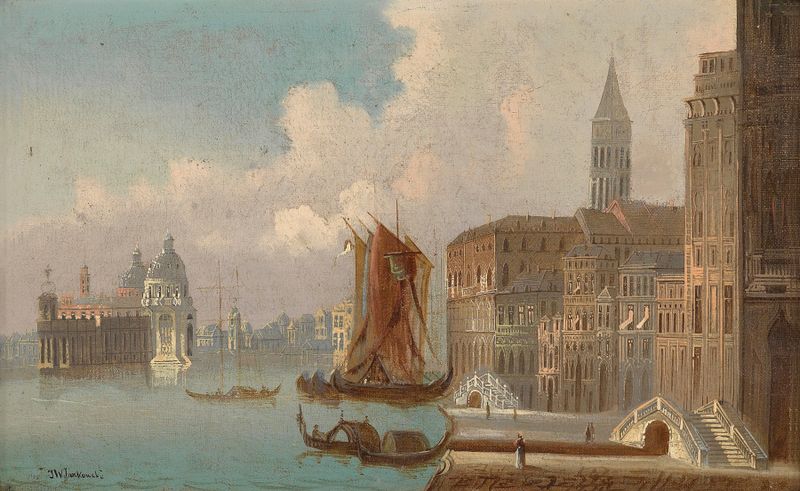
Partie aus Venedig
Johann Wilhelm Jankowski
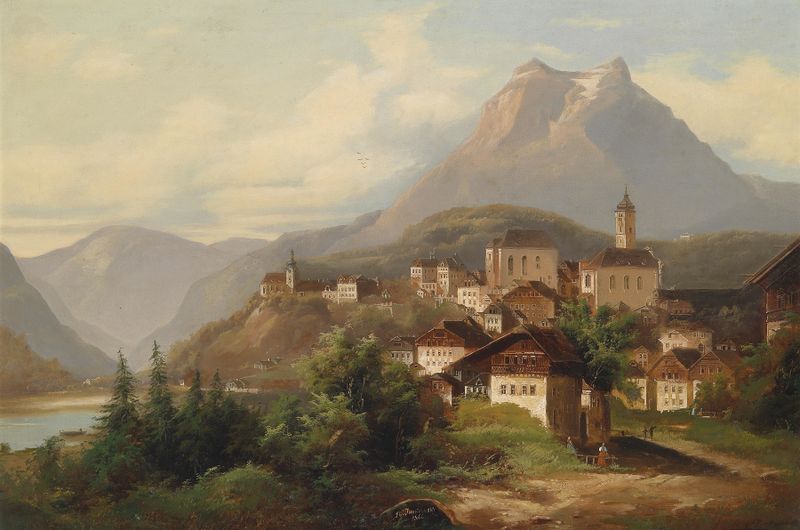
Blick auf Pilatus mit Tomlishorn
Johann Wilhelm Jankowski
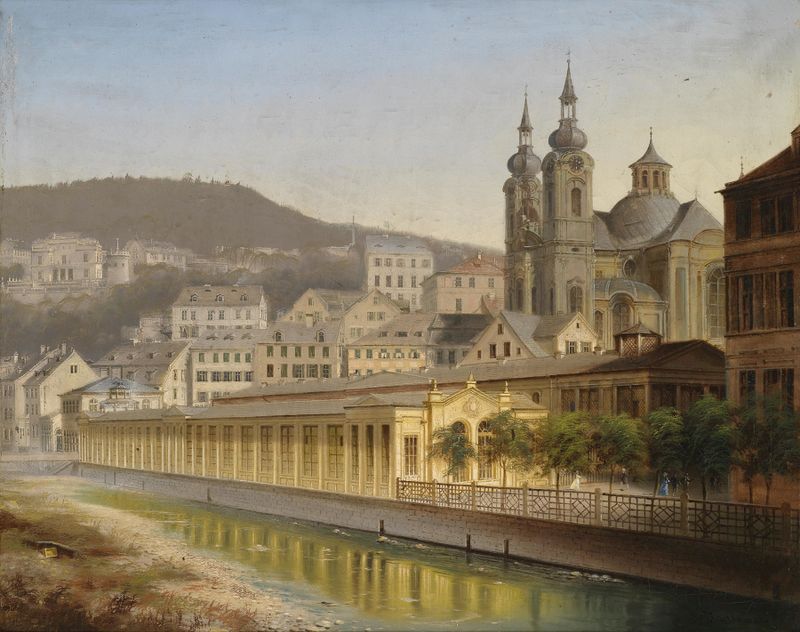
Blick auf Karlsbad
Johann Wilhelm Jankowski
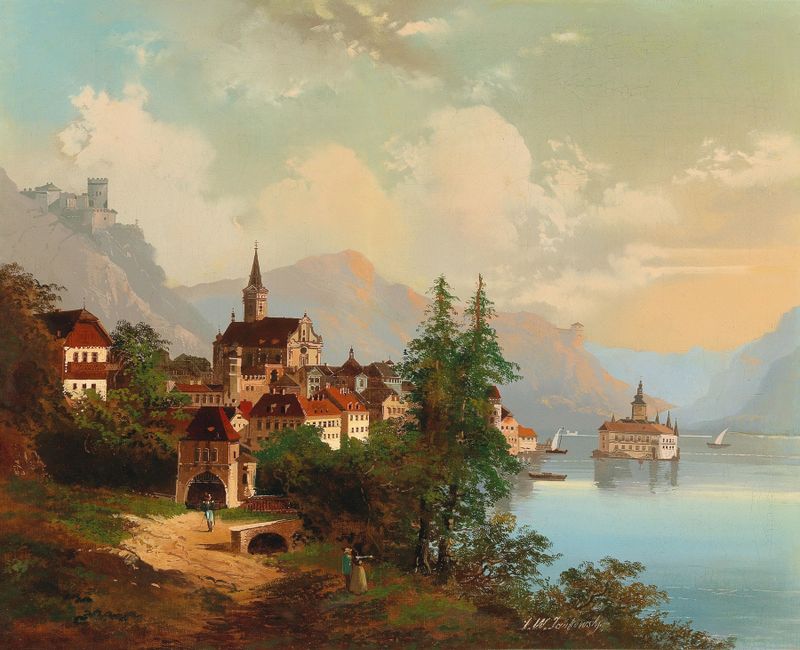
Blick auf eine Stadt und ein Wasserschloss
Johann Wilhelm Jankowski
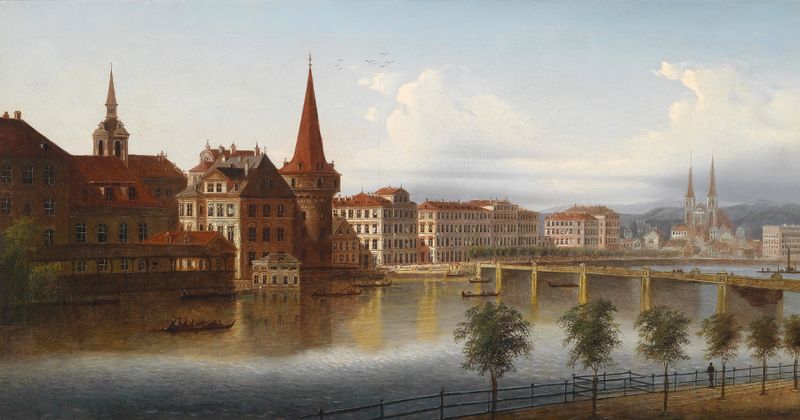
Luzern
Johann Wilhelm Jankowski





