
Blommande hagtorn (Vy från Chantilly) — History & Facts
What secret hides in the quiet of the canvas? In Blommande hagtorn (Vy från Chantilly), an atmosphere of gentle anxiety looms just beneath the surface, inviting viewers to confront their own fears. Look to the left at the delicate branches laden with white blossoms, their petals almost trembling in the stillness of the spring air. The soft, muted colors blend harmoniously, a palette of greens and whites that evoke both serenity and an underlying tension. Notice how the light filters through the foliage, casting dappled shadows that dance across the ground, guiding your gaze toward the distant horizon, where the sky and earth meet in a subtle embrace.
The composition creates a sense of depth, pulling you into a tranquil yet unsettling landscape. Yet, as you immerse yourself in this idyllic scene, small details reveal a deeper narrative. The vibrant blooms contrast starkly with the somber, shadowy areas, suggesting an emotional duality—beauty intermingling with fear of impermanence. The stillness is deceptive; the absence of figures hints at solitude, possibly echoing the artist’s own reflections on isolation and the fragility of fleeting moments.
The painting feels both inviting and foreboding, a reminder of the delicate balance between light and darkness. In 1886, Albert Edelfelt painted this piece while living in France, deeply influenced by the Impressionist movement yet firmly rooted in his Finnish heritage. The period was marked by a growing fascination with natural beauty and emotional expression in art, as he sought to capture the essence of his surroundings. This artwork reflects his mastery of light and form, as well as his personal grappling with themes of transience and solitude in a rapidly changing world.
More Artworks by Albert Edelfelt
Browse all →
House in Porvoo
Albert Edelfelt

Seashore in the Evening ; Landscape, Evening
Albert Edelfelt
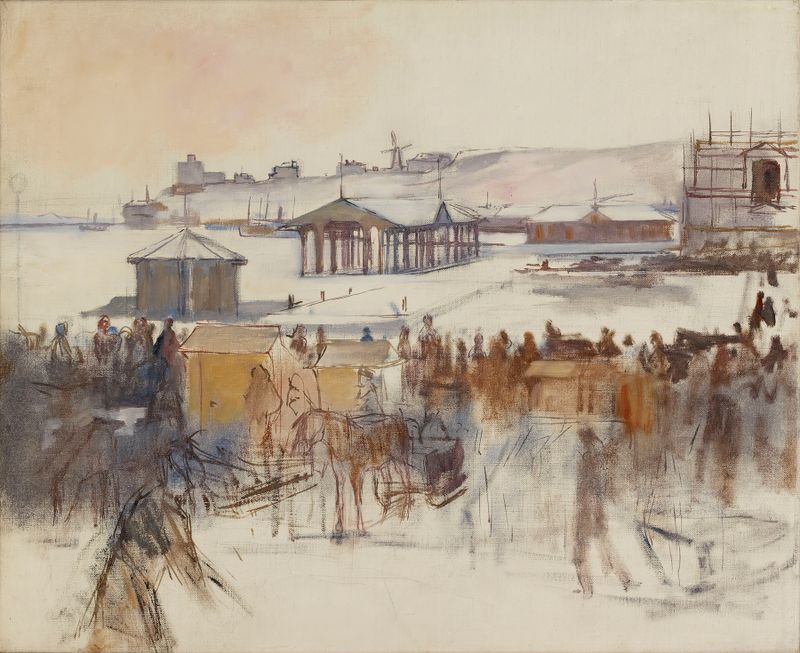
From the South Harbor
Albert Edelfelt

The Artist’s Summer Villa in Haikko from the Sea
Albert Edelfelt
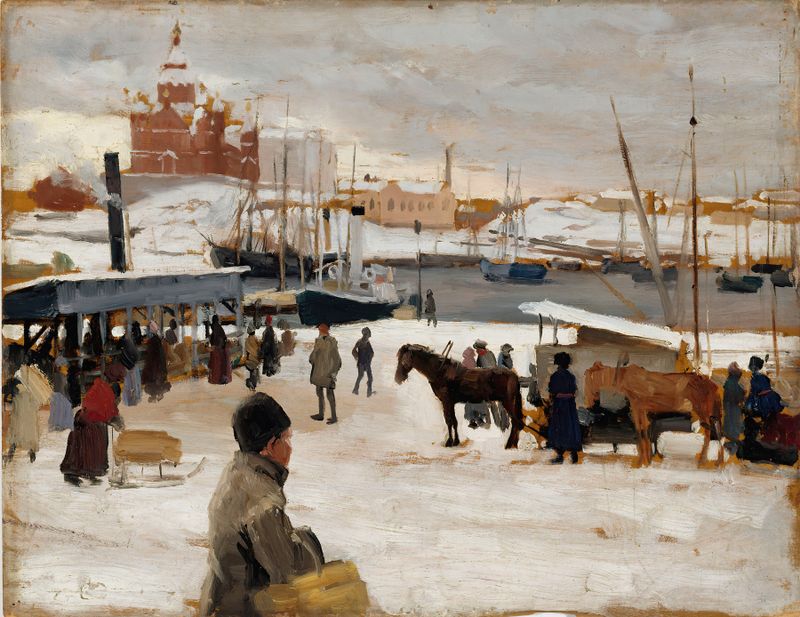
Winter Day in Helsinki Market Square
Albert Edelfelt

Water Lilies, Study for the Youth and a Mermaid
Albert Edelfelt
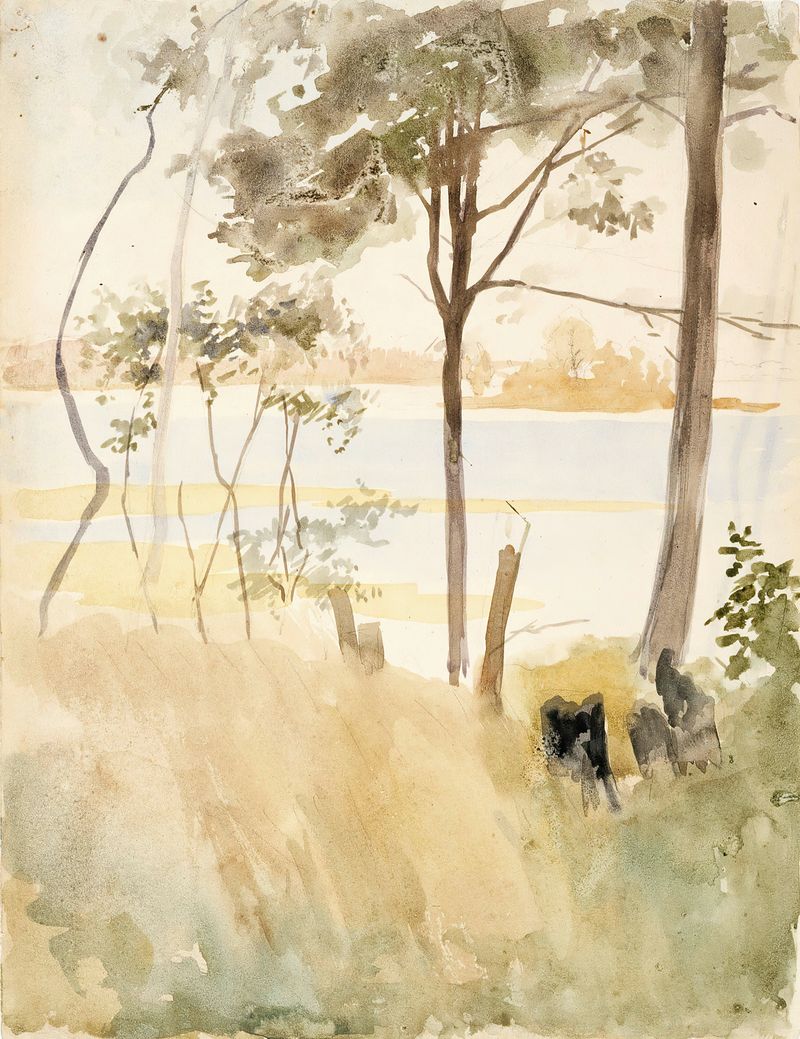
Seashore at Haikko in Autumn
Albert Edelfelt
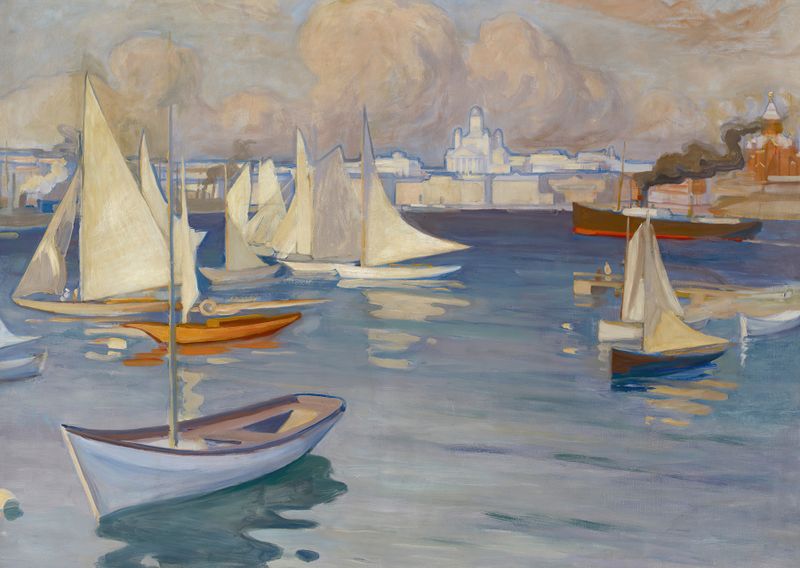
The Nyländska Jaktklubben Harbour in Helsinki
Albert Edelfelt
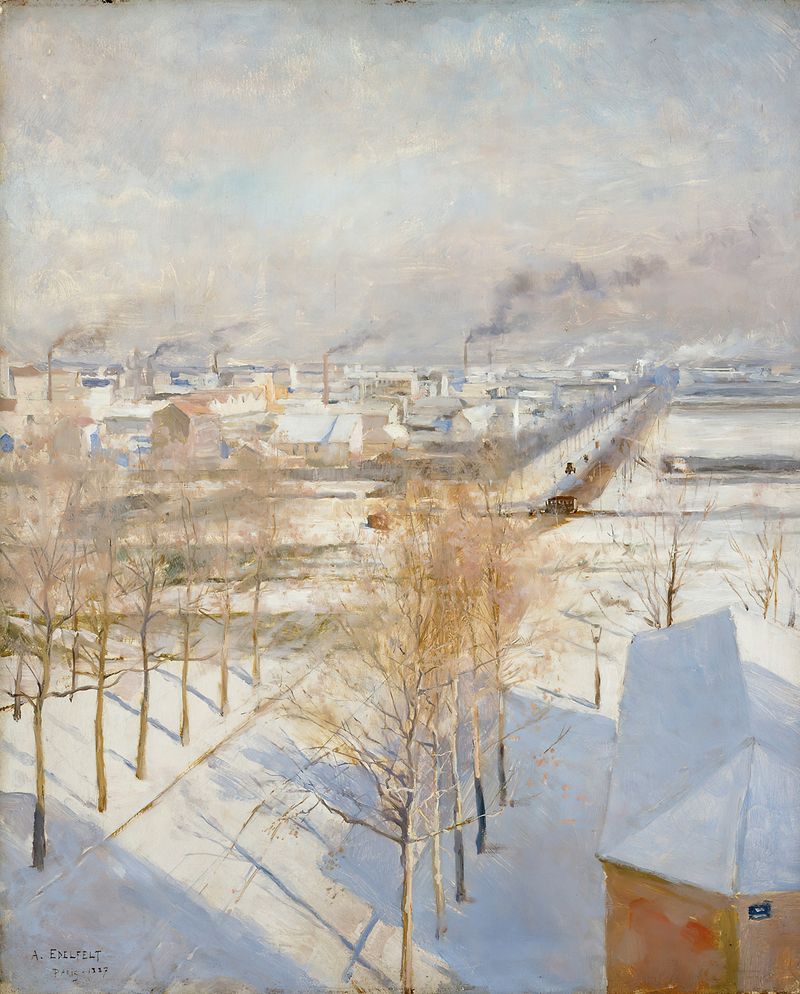
Paris in Snow
Albert Edelfelt
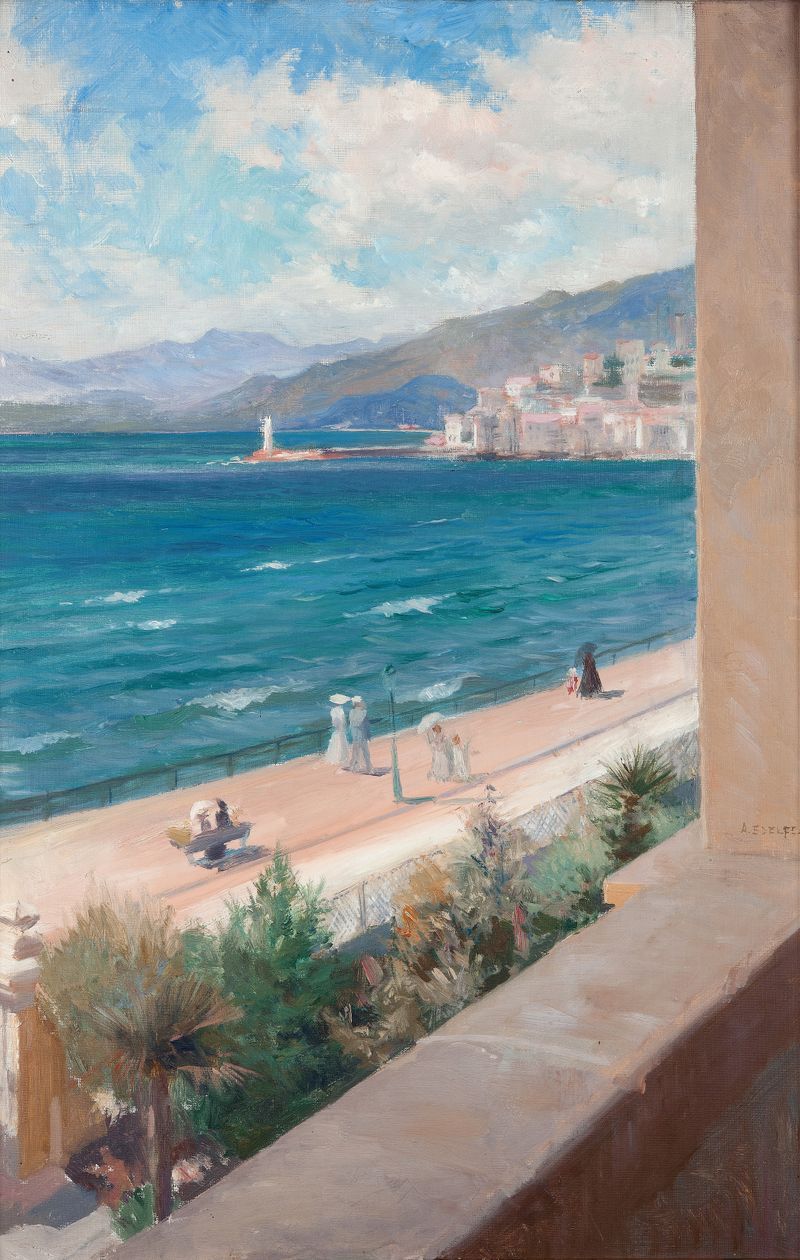
From my Window in Cannes
Albert Edelfelt





