
House in Porvoo — History & Facts
What if beauty was never meant to be finished? In House in Porvoo, an unfinished architecture emerges, caught in a delicate balance between chaos and clarity. Look to the left at the quaint structure framed by the soft embrace of nature. The brushstrokes, both energetic and deliberate, create a sense of movement, as if the house itself is alive. The warm hues of ochre and earthy greens invite viewers into a serene yet slightly disheveled world, where the lines blend and blur, reflecting an intimate relationship between the human-made and the organic.
The light, dappled through trees, creates a dance of shadows that enhances the sense of impermanence. The tension in this composition stems from the juxtaposition of solid architecture against the wild, unkempt foliage. The structure stands resolute yet seemingly on the brink of surrender to nature's advance. This contrast evokes a subtle madness, hinting at the fragility of civilization amidst the relentless forces of the natural world.
Each detail, from the uneven shingles to the sprawled branches, whispers of life's unpredictable beauty and the artist's quest to capture both solace and disruption. In 1902, Edelfelt painted this work while living in Finland, a period marked by a resurgence of nationalistic pride in the arts. He was deeply influenced by the burgeoning Symbolist movement, which sought to explore inner emotions and the subconscious. Amidst this cultural backdrop, House in Porvoo encapsulates a moment of reflection in Edelfelt's career, where he balanced the classical training of his past with an emerging desire to express the rawness of existence.
More Artworks by Albert Edelfelt
Browse all →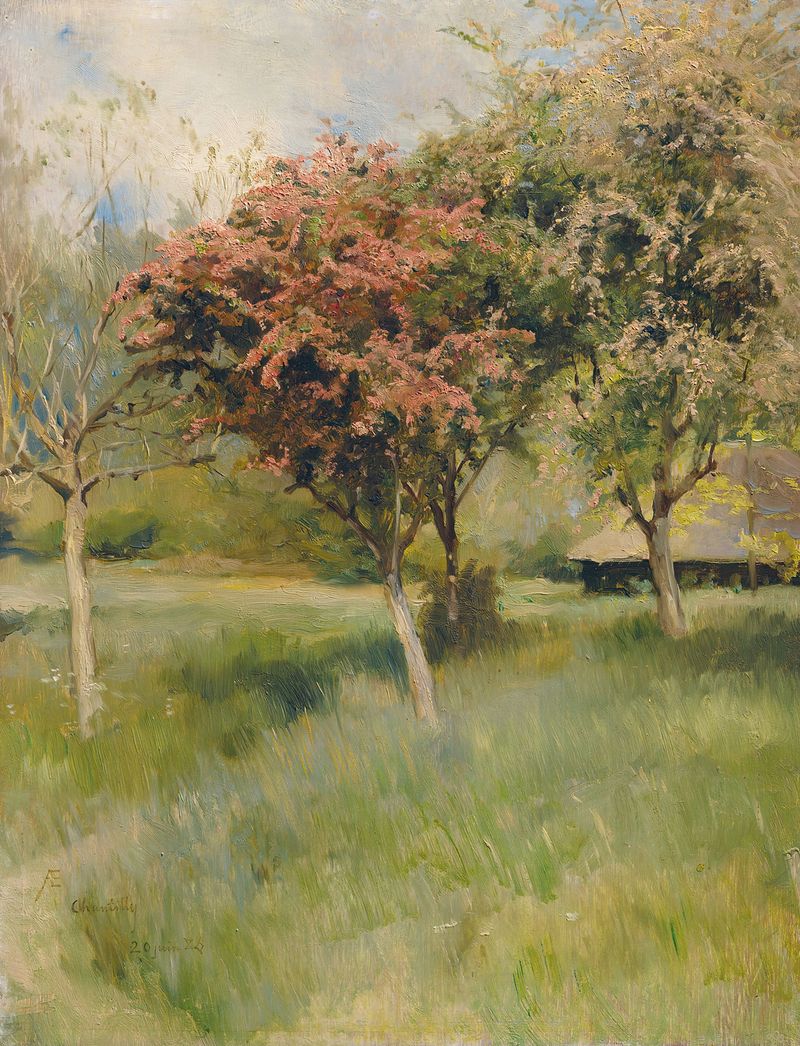
Blommande hagtorn (Vy från Chantilly)
Albert Edelfelt

Seashore in the Evening ; Landscape, Evening
Albert Edelfelt
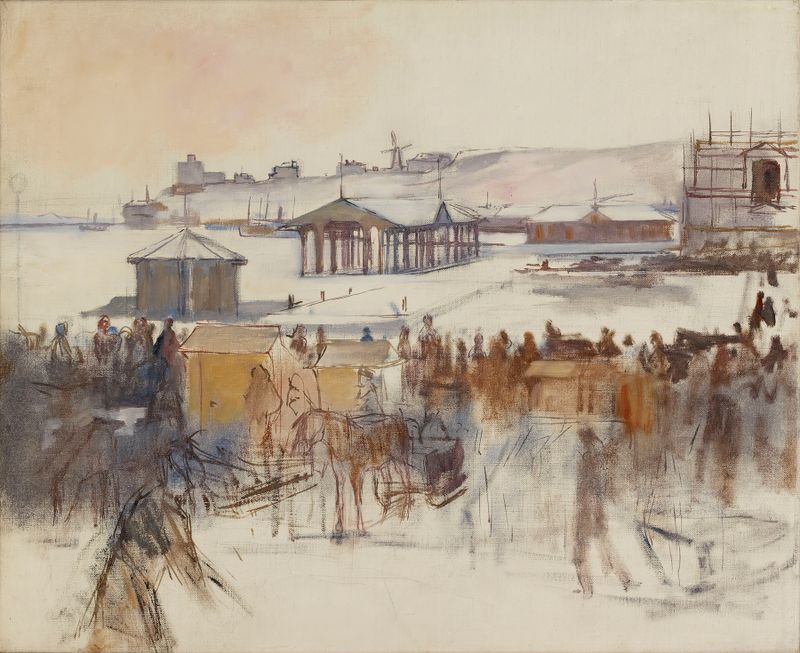
From the South Harbor
Albert Edelfelt

The Artist’s Summer Villa in Haikko from the Sea
Albert Edelfelt
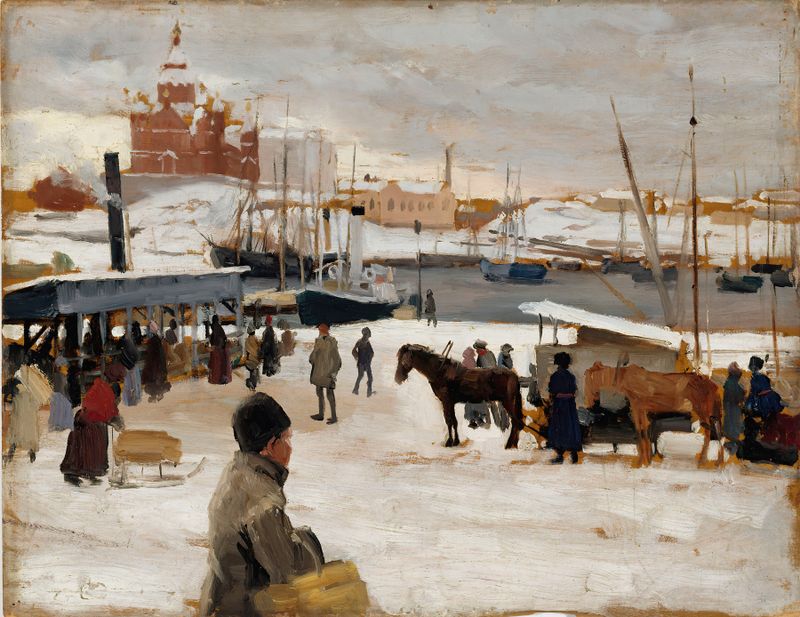
Winter Day in Helsinki Market Square
Albert Edelfelt

Water Lilies, Study for the Youth and a Mermaid
Albert Edelfelt
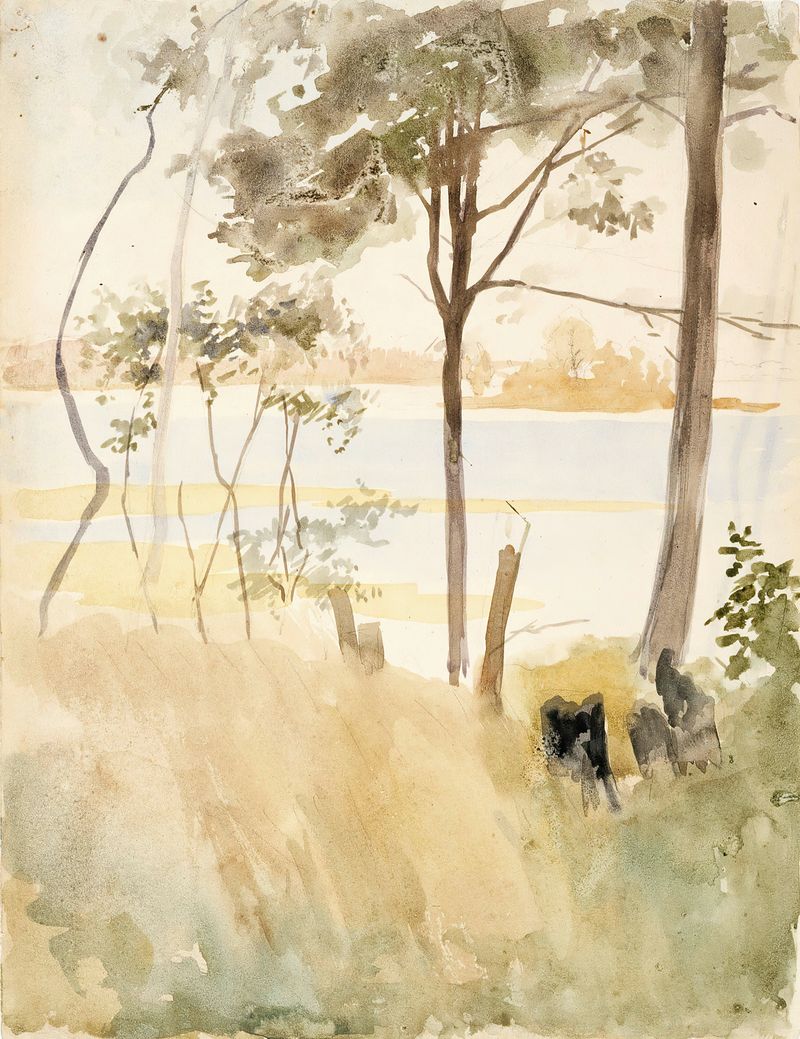
Seashore at Haikko in Autumn
Albert Edelfelt
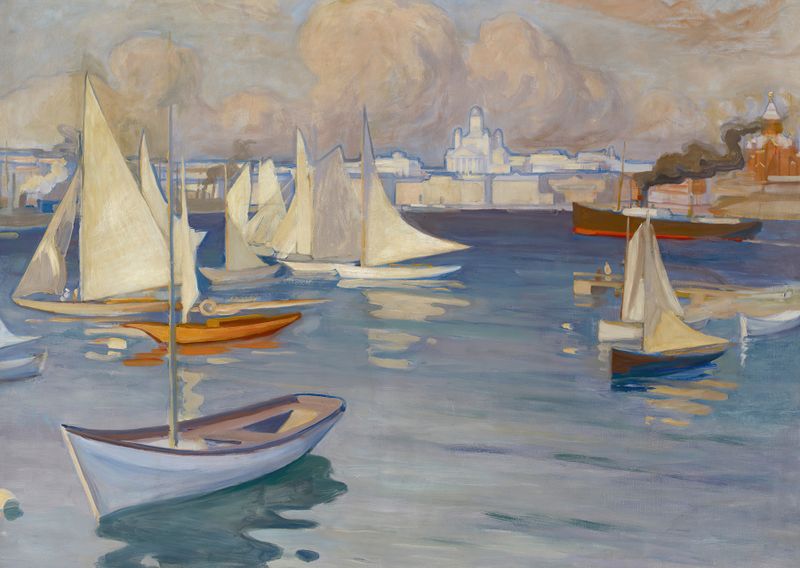
The Nyländska Jaktklubben Harbour in Helsinki
Albert Edelfelt
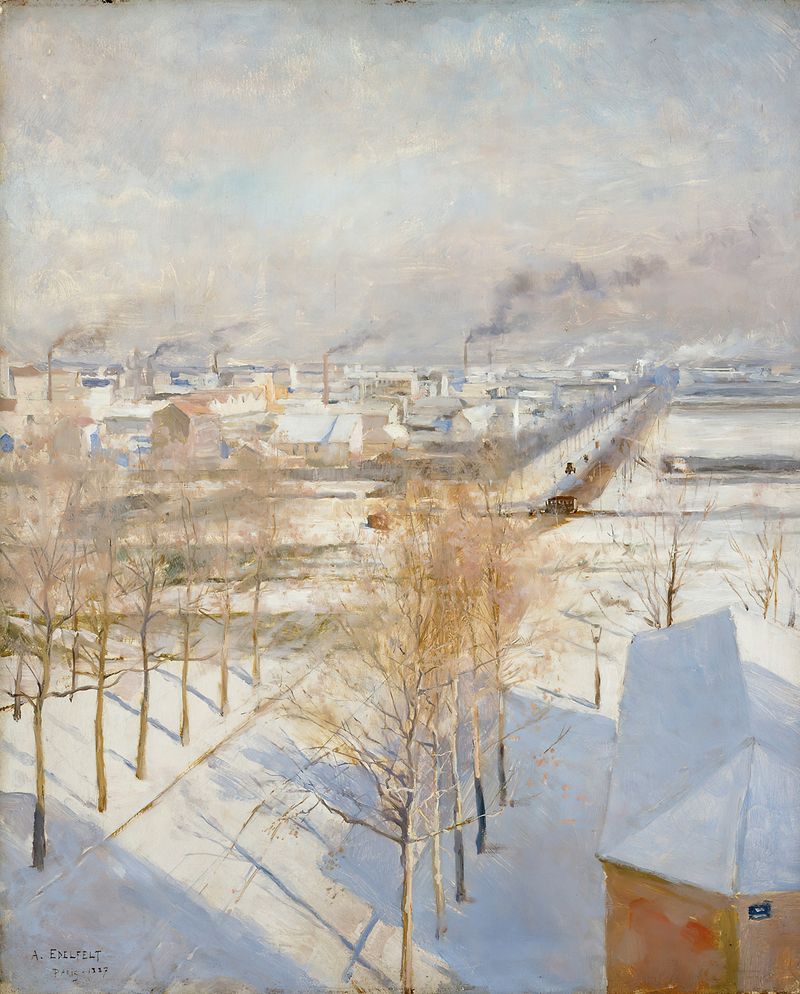
Paris in Snow
Albert Edelfelt
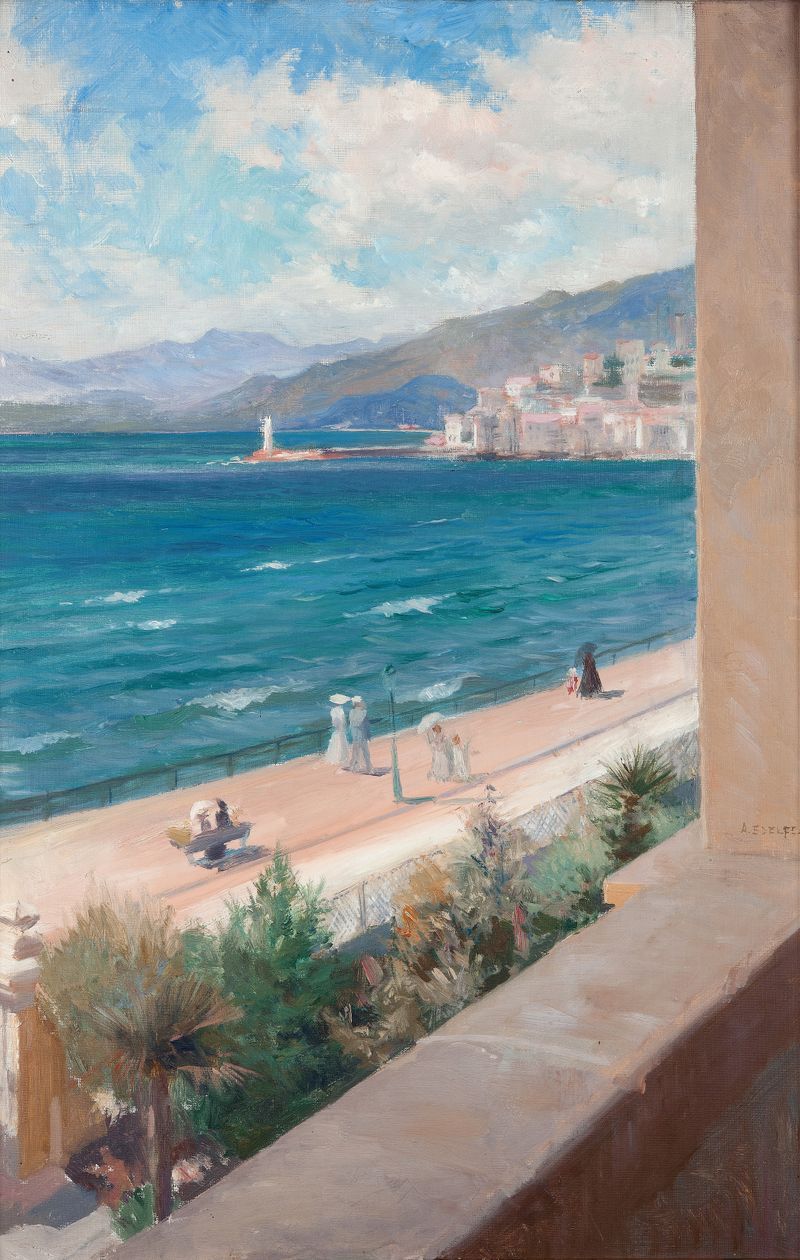
From my Window in Cannes
Albert Edelfelt
More Architecture Art
Browse all →
The statue of Liberty
Frédéric Auguste Bartholdi

View of Houses in Delft, Known as ‘The Little Street’
Johannes Vermeer

View of Houses in Delft, Known as ‘The Little Street’
Johannes Vermeer

The Cathedral in Rouen. The portal, Grey Weather
Claude Monet

The yellow house
Vincent van Gogh

The Church in Auvers-sur-Oise, View from the Chevet
Vincent van Gogh