Blue Cave — History & Facts
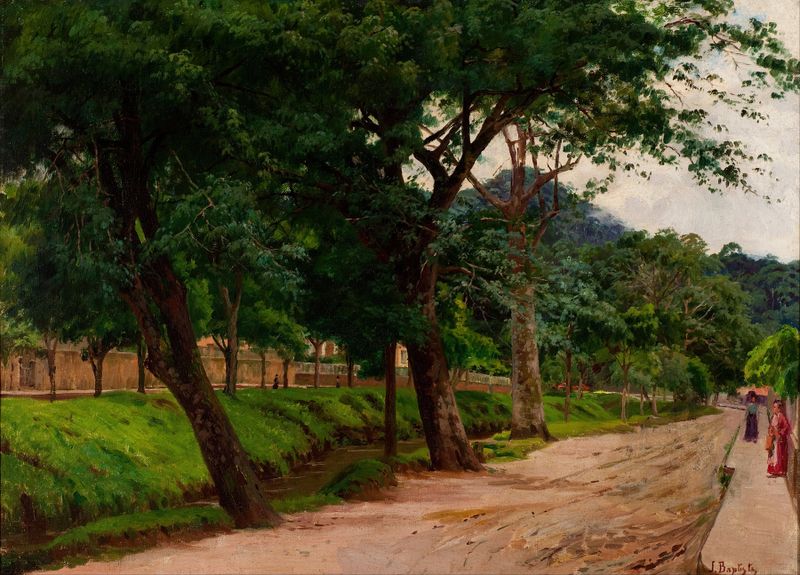
Who listens when art speaks of silence? In Blue Cave, the depths of shadow invite an introspective dialogue, as if the canvas itself holds its breath, waiting for a response. To truly appreciate this work, look to the vivid cobalt hues swirling in the foreground, capturing the essence of twilight. Notice how the light emerges from the cave’s mouth, creating a stunning contrast against the darker, more muted tones that engulf the background. The texture invites you to reach out, to explore the intricate layers of paint that evoke a sense of both confinement and wonder.
Each stroke seems to dance in the interplay between shadow and light, beckoning the viewer into the cave’s intimate embrace. Delve deeper, and you'll uncover the emotional tensions at play. The cave symbolizes a refuge, a sanctuary for introspection amid the cacophony of life. The use of shadow speaks to hidden fears and desires, while the bursts of light suggest an elusive hope, reminding us of the duality of existence.
This interplay mirrors our own struggles with silence — the whispers of our innermost selves often entwined with the shadows we carry. The artist painted this piece during a time of exploration in his career, navigating the boundaries of naturalism and expressionism. João Baptista da Costa, working in the early 20th century, was deeply influenced by the burgeoning modern art movements, which sought to challenge perception and evoke emotional responses. His search for a unique voice in a transforming world resonates profoundly in Blue Cave, encapsulating a moment of artistic evolution.