
Blue house in winter — History & Facts
Could a single brushstroke hold eternity? In Blue house in winter, Michał Rouba invites us to explore the profound joy that can be found even in the stillness of a cold season. Look to the left at the subtly textured blue facade of the house, where each brushstroke intertwines to create a tapestry of shadows and light. The icy hues evoke a sense of calm while simultaneously hinting at the warmth that might dwell within. Notice how the morning light dances across the snow, animating the scene with glimmers of white that contrast with the deep, somber blues.
The composition draws your eye upward, leading you to the crisp outlines of branches that cradle the house like protective arms. Within the layers of color, a dialogue emerges between solitude and comfort. The house stands resolute against the harshness of winter, symbolizing resilience and the hidden ecstasy of warmth and shelter amid the cold. The gentle curves of the landscape suggest the softness of a winter’s day, inviting viewers to contemplate the quiet beauty that life holds in moments of stillness. In 1930, Rouba painted this work at a time when Europe was grappling with the lingering impacts of World War I and the onset of economic challenges.
Living in Poland, he sought to convey the serene beauty of his surroundings, which countered the chaos of the world beyond. This painting reflects his desire to capture the essence of life and nature, celebrating the simple joys that can be found in everyday scenes.
More Artworks by Michał Rouba
Browse all →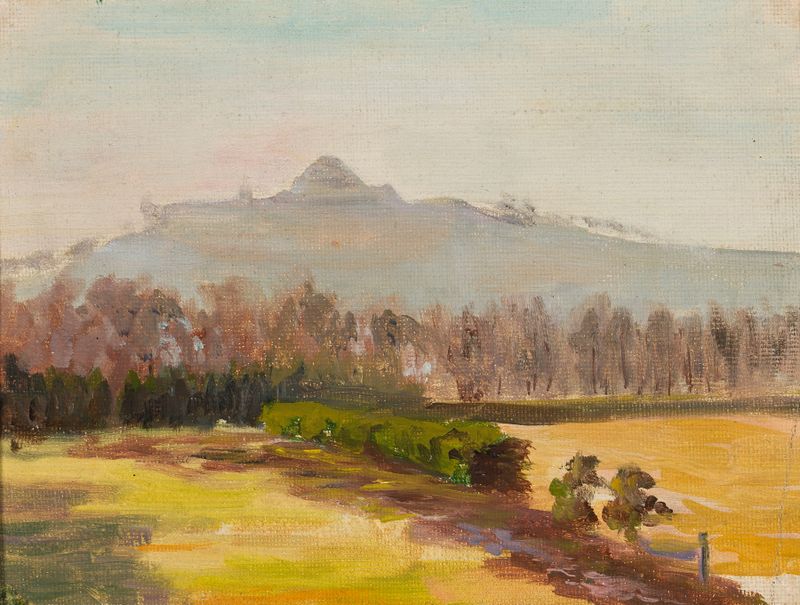
Landscape with a view of the Kościuszko Mound
Michał Rouba
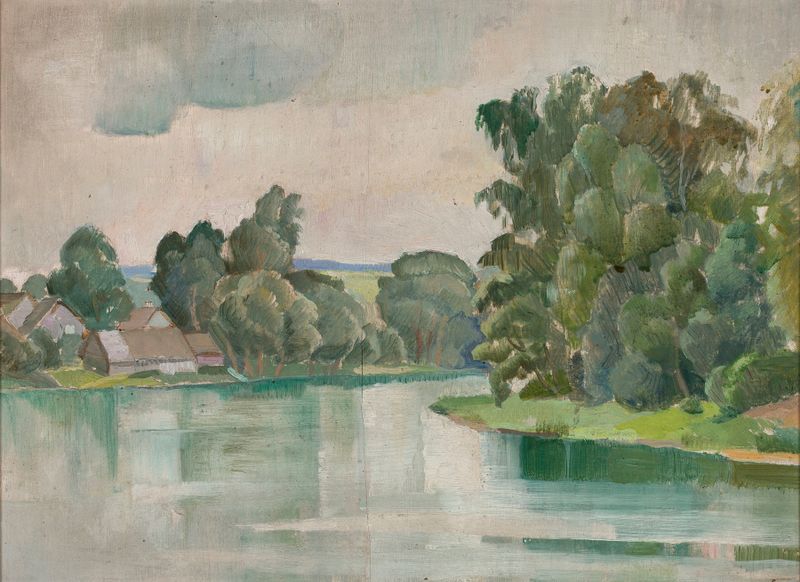
Village by a river
Michał Rouba
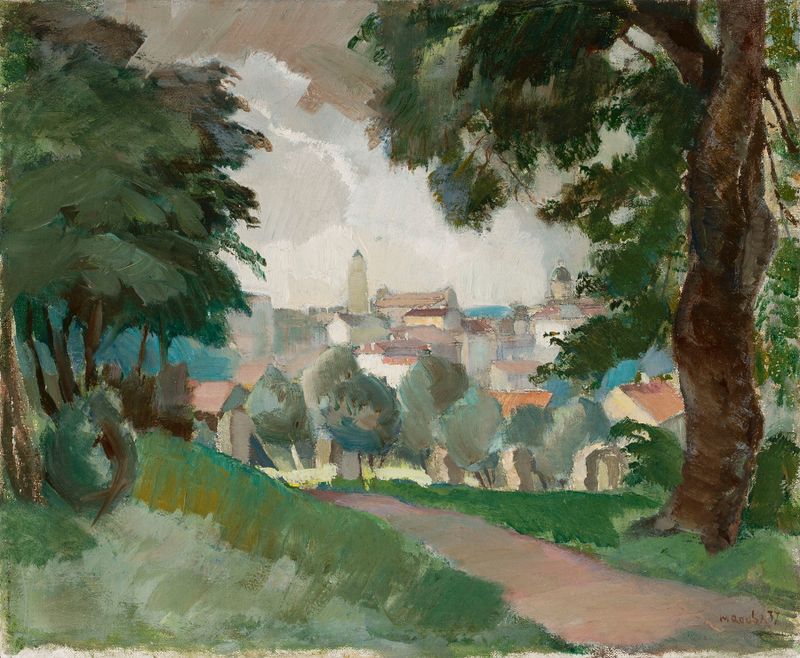
Widok Wilna wśród drzew
Michał Rouba
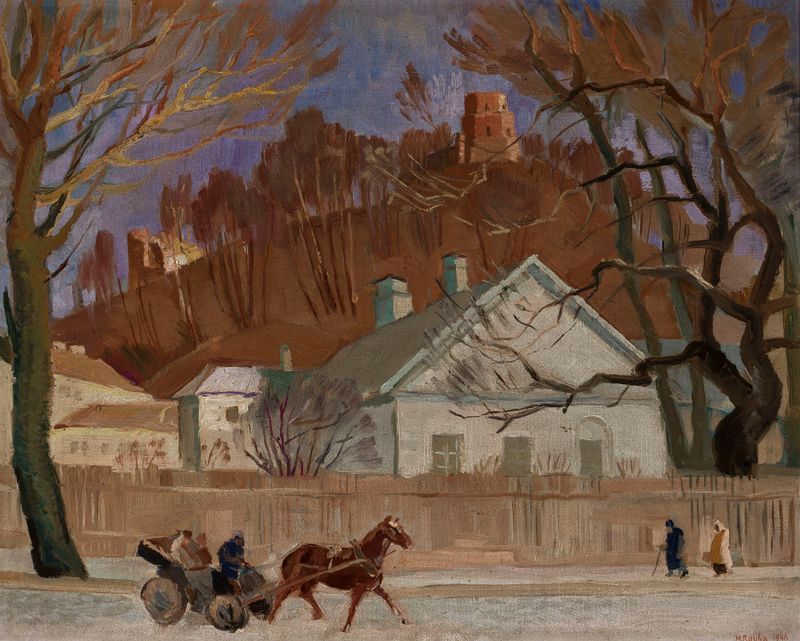
Gediminas Mountain in Vilnius
Michał Rouba
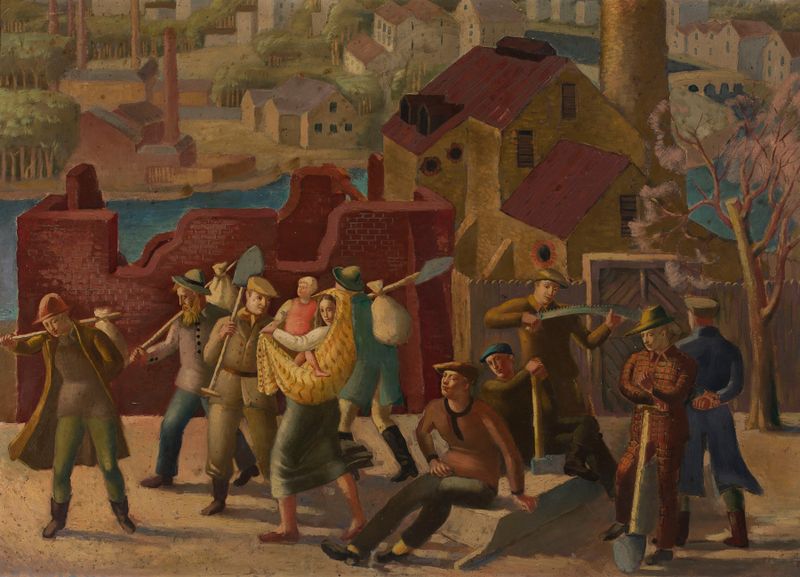
Urban landscape with workers against the background of a building
Michał Rouba
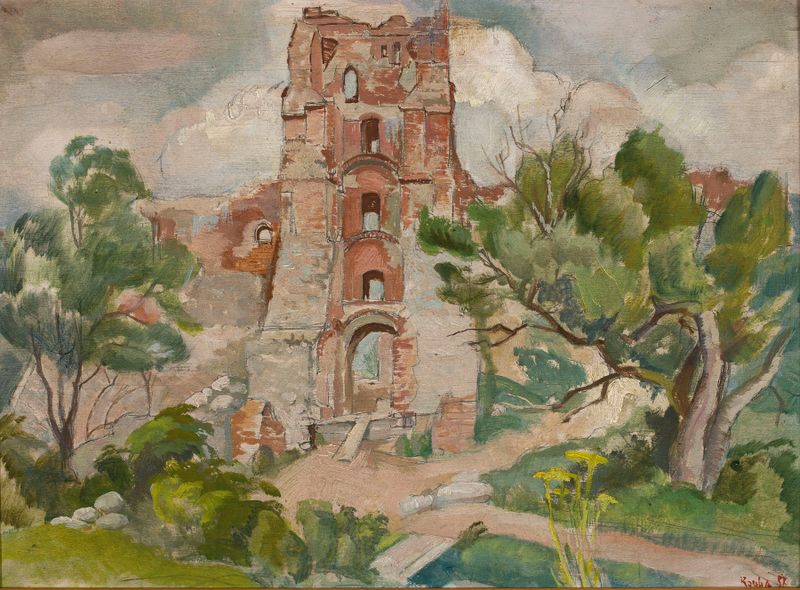
Tower in Troki
Michał Rouba
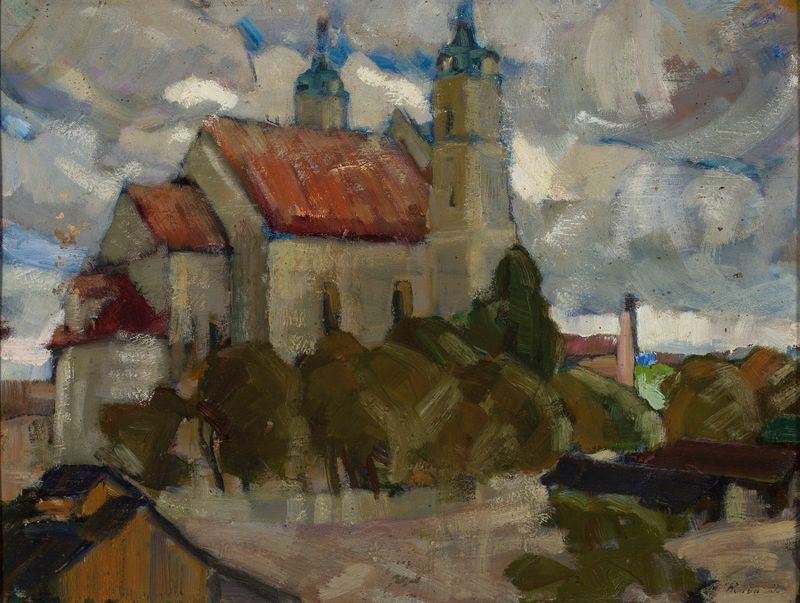
Church among trees
Michał Rouba
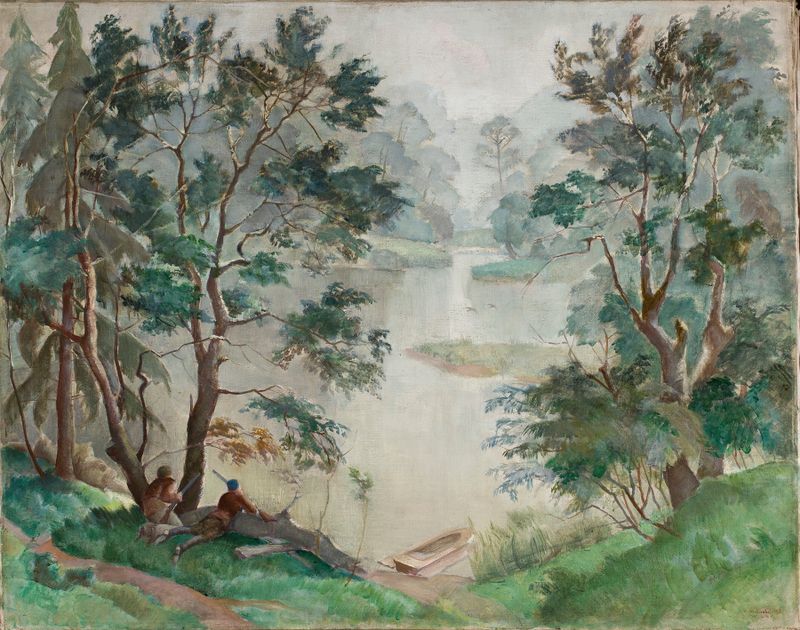
Autumn fogs
Michał Rouba
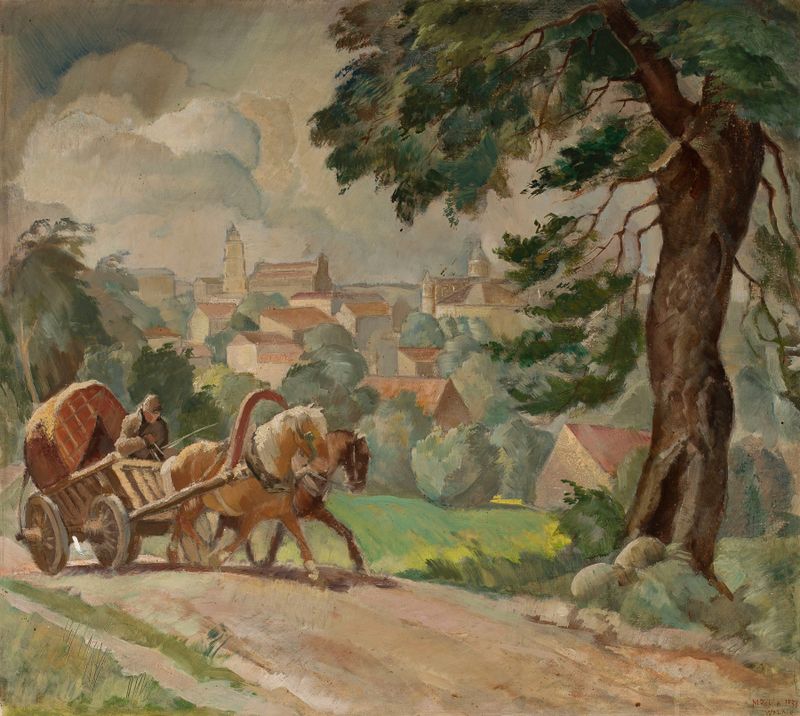
Two-horse cart on the road into town
Michał Rouba
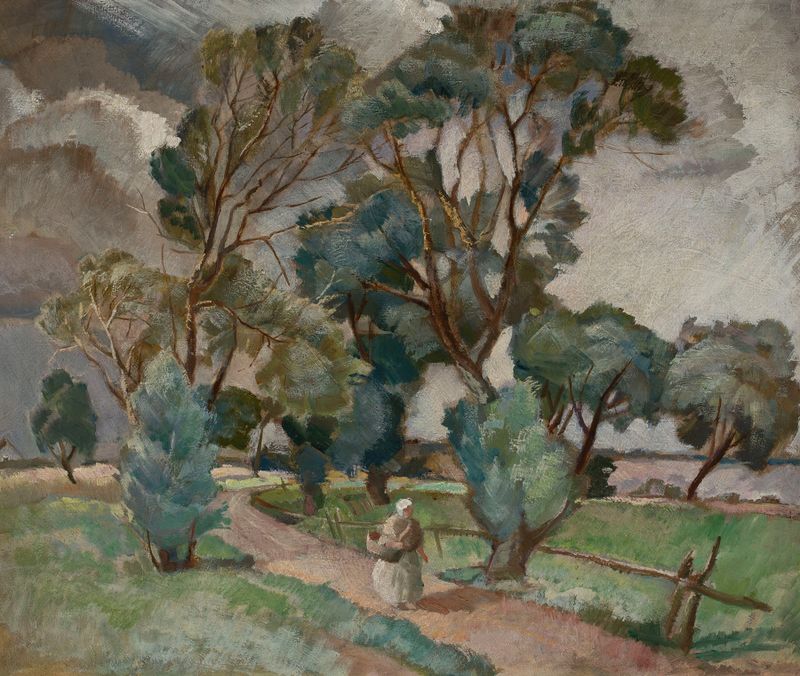
Dull day
Michał Rouba





