Blue Ridge Mountains — History & Facts
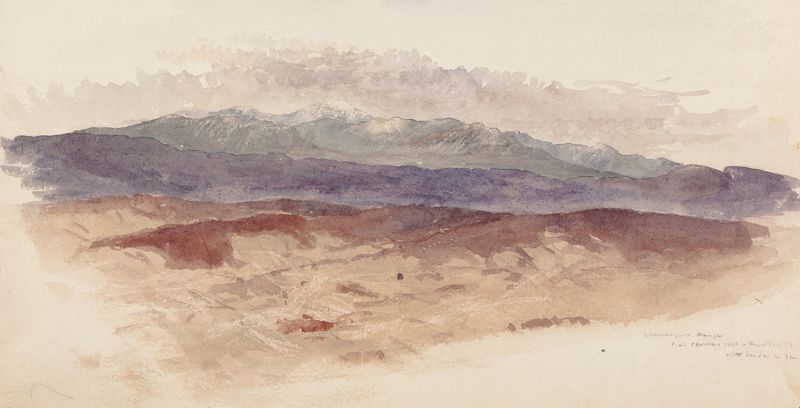
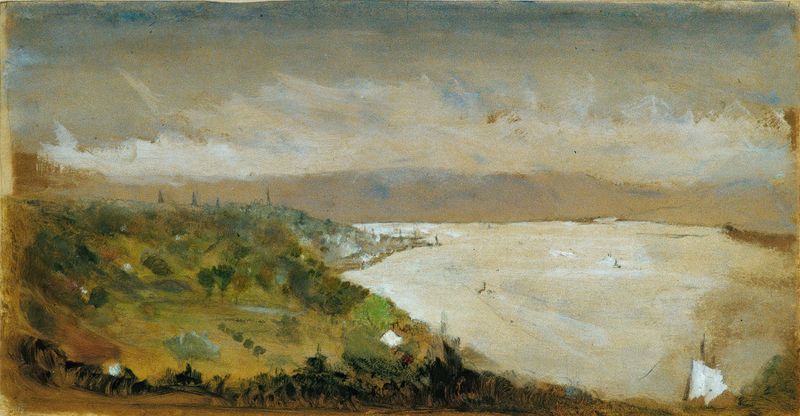
Did the painter know this moment would outlive them? In the delicate fusion of color and form, time seems both suspended and eternal, capturing an unseen breath of nature. Notice how your gaze is drawn to the sweeping contours of the Blue Ridge Mountains, framed by the gentle warmth of twilight hues. The rich blues and soft purples of the landscape blend seamlessly, inviting the viewer into a serene realm. Focus on the way the light dances across the peaks, illuminating the rugged terrain while casting shadows that hint at the majesty of the mountains’ depth.
The brushstrokes convey a sense of movement, as if the very air is alive with whispers of time passing. Beneath the peaceful surface, there is a palpable tension between permanence and transience. The mountains, steadfast and timeless, stand in stark contrast to the ephemeral nature of the fading light. This duality evokes a sense of longing and nostalgia, suggesting that while nature endures, our moments within it are fleeting.
Each stroke carries an emotional weight, a reminder that although we may marvel at such beauty, we too are mere visitors in its history. In the late 19th century, the artist found himself immersed in a rapidly changing world, where the advent of industrialization challenged traditional notions of beauty and permanence. Painted around 1898, this piece reflects Stanford White's passion for both architecture and landscape, as he navigated his career amidst the rise of the American Arts and Crafts movement. It was a time when artists began to seek deeper connections with nature, striving to encapsulate its essence before the relentless march of progress altered the landscape forever.