
Boerderij — History & Facts
This sentiment resonates deeply in the quiet, yet striking essence of rural life as captured in the artwork. A simple landscape can hold a complex narrative, revealing the hidden layers beneath its calm surface. Look to the foreground, where the rustic farmhouse stands as a testament to human resilience, its weathered facade enveloped in an aura of nostalgia. The delicate brushwork brings the textures of the thatched roof and wooden beams to life, while soft golden hues radiate warmth, contrasting with the cooler shadows that linger around its edges.
The gentle lines of the fields sweep towards the horizon, inviting the viewer to explore the subtle play of light that dances across the landscape, hinting at the passage of time. Digging deeper, one can sense the dichotomy of beauty and toil inherent in this scene. The idyllic representation of rural life masks the struggles faced by those who inhabit it, suggesting that there is often more to a setting than meets the eye. The bright colors of the crops symbolize hope and sustenance, while the solitary farmhouse echoes themes of isolation and perseverance—a delicate balance between joy and sorrow.
These contrasts weave together a compelling narrative, inviting reflection on the complexities of creation itself. Thier painted this work during a period when the rural landscape was central to Dutch identity. While the exact date remains uncertain, the artist was active in the late 19th to early 20th century, a time marked by a shift towards modernism in art. This painting captures a moment of transition, celebrating the beauty of the countryside while also acknowledging the undercurrents of change sweeping through society and the art world.
More Artworks by Barend Hendrik Thier
Browse all →
Zandweg tussen bomen met hooiwagen
Barend Hendrik Thier
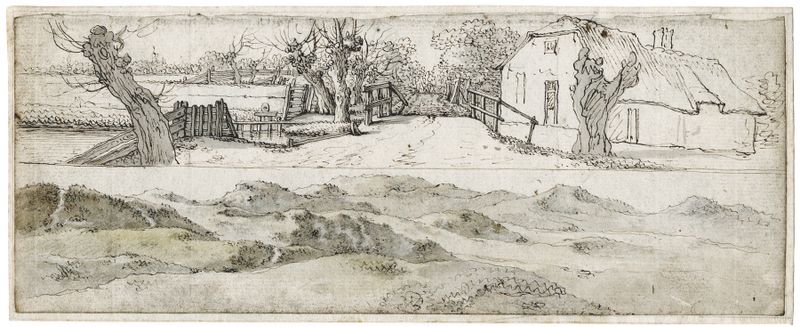
Twee landschapjes
Barend Hendrik Thier
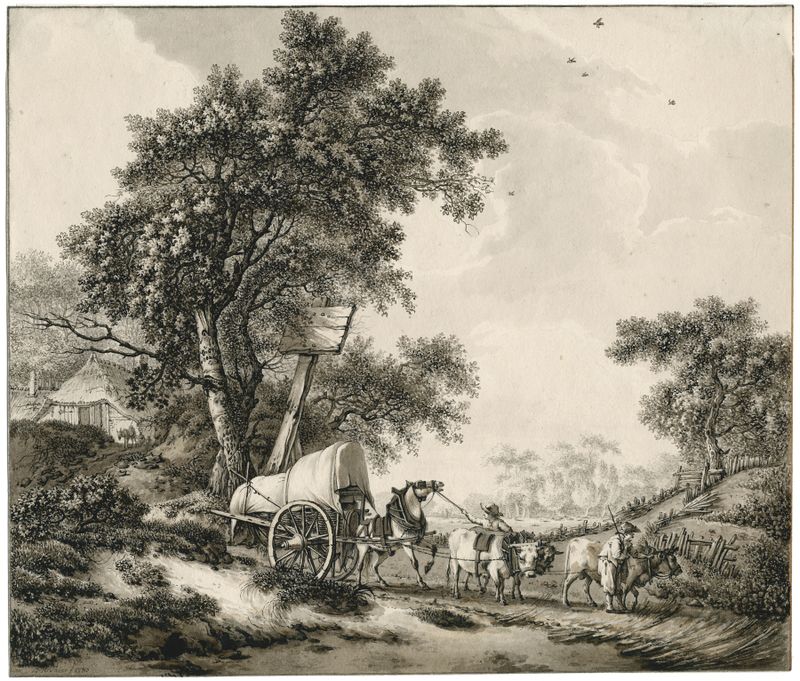
Landscape with covered waggon
Barend Hendrik Thier

Bosweg langs een beek
Barend Hendrik Thier
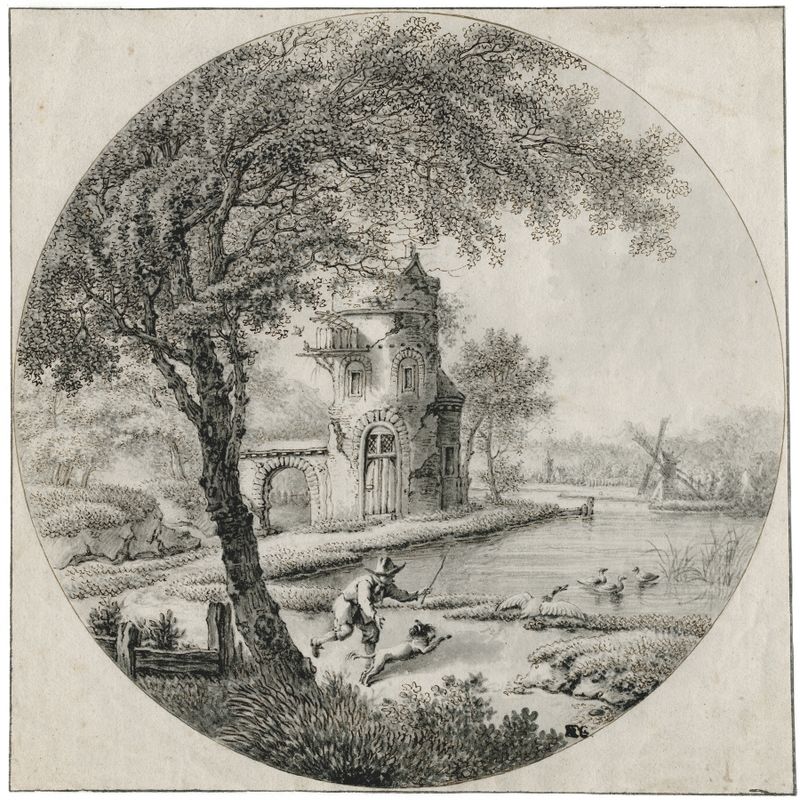
Toren aan een vijver
Barend Hendrik Thier

Landscape with horses
Barend Hendrik Thier
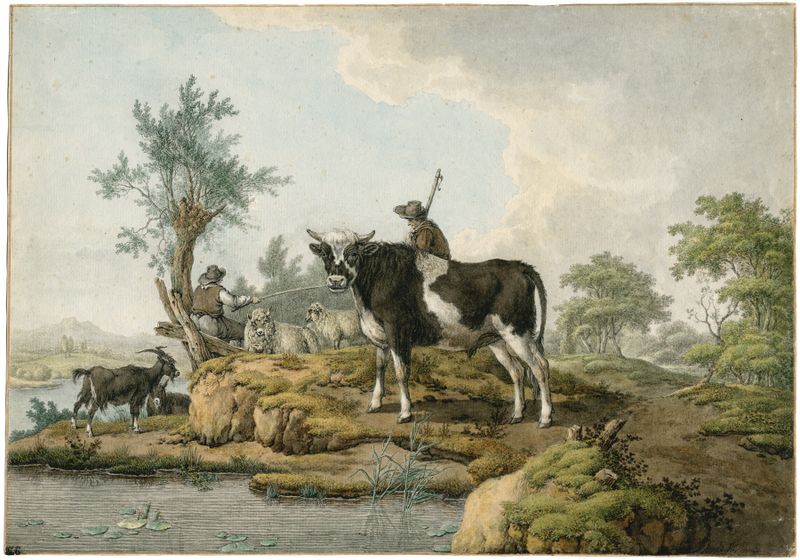
Boeren met jonge stier en ander vee langs waterkant
Barend Hendrik Thier
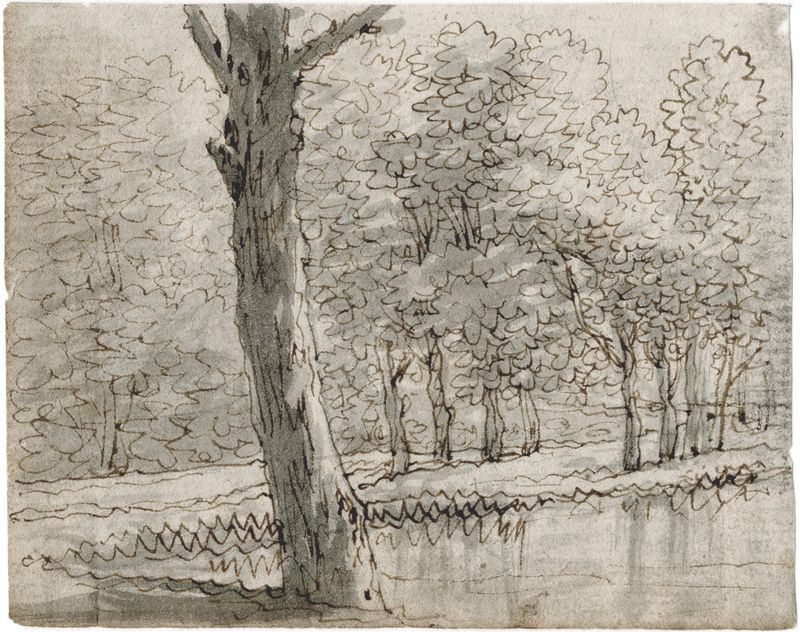
Bomen langs
Barend Hendrik Thier
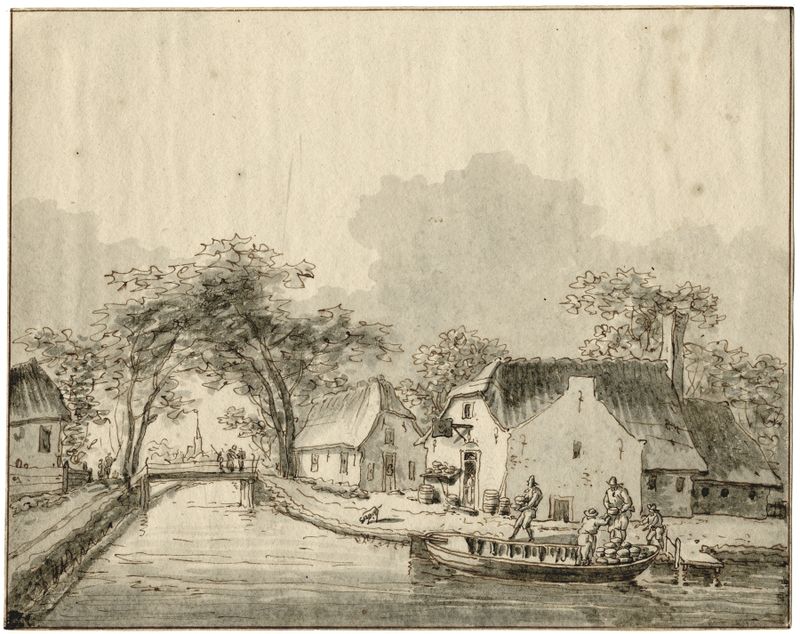
Vaart in dorpje
Barend Hendrik Thier
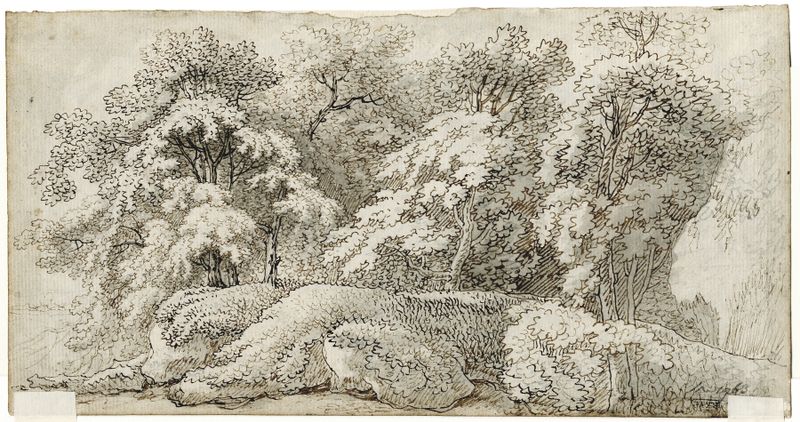
Bosgezicht
Barend Hendrik Thier





