
Twee landschapjes — History & Facts
Could beauty survive in a century of chaos? In a world often enveloped by turmoil, the quiet landscapes captured by Thier offer a whisper of serenity amidst the noise. Look to the left at the gentle undulating hills, their soft curves painted in muted greens and ochres, inviting a sense of calm. Notice how the delicate interplay of light and shadow creates a tapestry of texture, evoking the passage of time across the landscape. The subtle brushstrokes breathe life into the scene, while the horizon stretches infinitely, inviting contemplation and reflection. Yet beneath this tranquil surface lies a profound melancholy.
The sparse trees, standing solitary against the vastness, speak to isolation and the passage of seasons, each leaf a metaphor for moments lost. The stillness of the water mirrors not just the sky, but also the fragile human condition—a yearning for connection in a fragmented world. Here, nature’s beauty contrasts with existential ache, pulling the viewer into a deeper engagement with the scenes depicted. Thier painted these landscapes during a period marked by significant upheaval and transformation in the art world.
Active in the late 19th century, he was influenced by the Romantic movement, which sought to connect emotional depth with the beauty of nature. In this context, Twee landschapjes emerges as a quiet yet poignant reflection on the interplay between beauty, solitude, and the inexorable march of time, resonating with the complexities of a world in flux.
More Artworks by Barend Hendrik Thier
Browse all →
Zandweg tussen bomen met hooiwagen
Barend Hendrik Thier
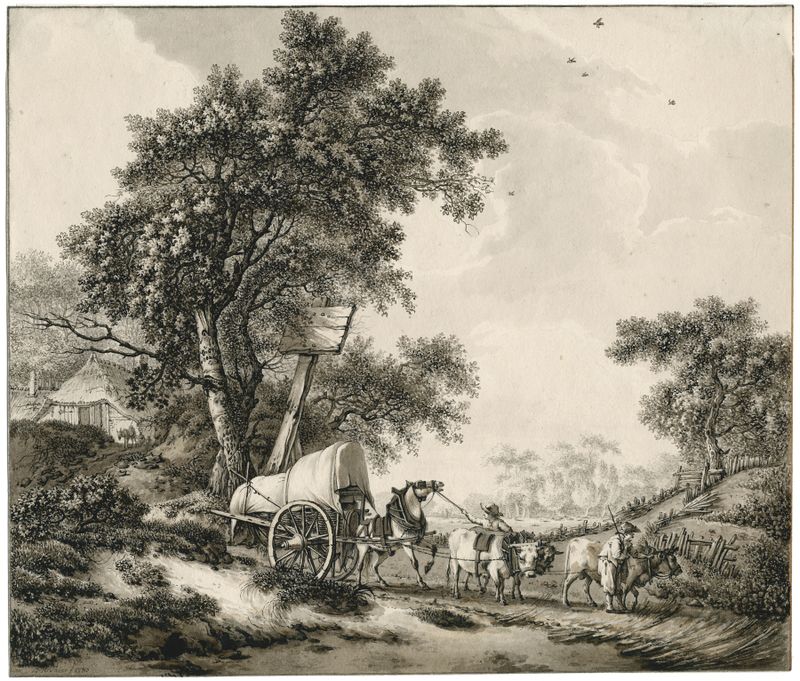
Landscape with covered waggon
Barend Hendrik Thier

Bosweg langs een beek
Barend Hendrik Thier
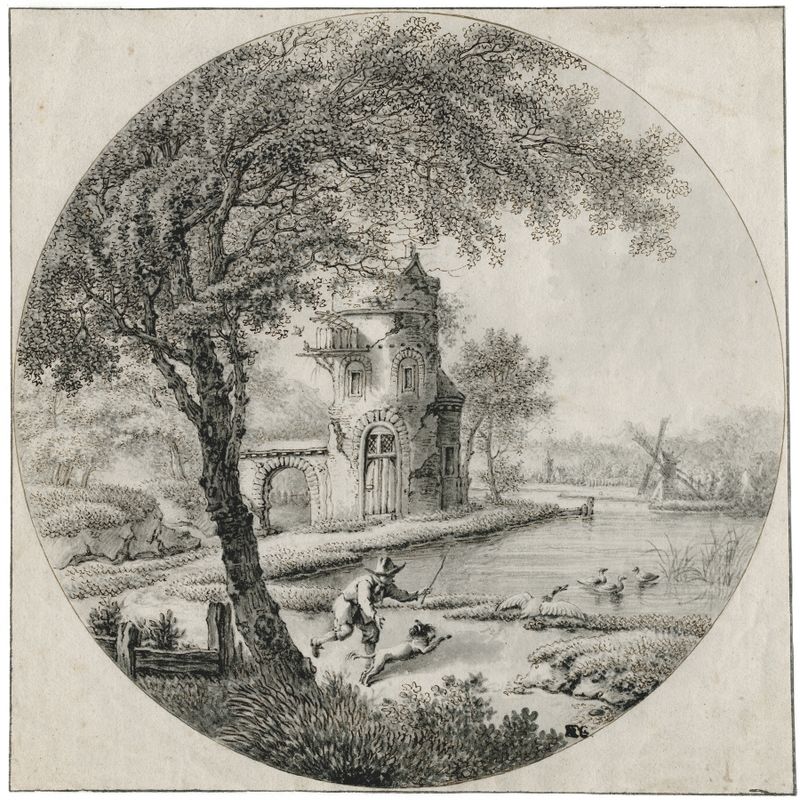
Toren aan een vijver
Barend Hendrik Thier

Landscape with horses
Barend Hendrik Thier
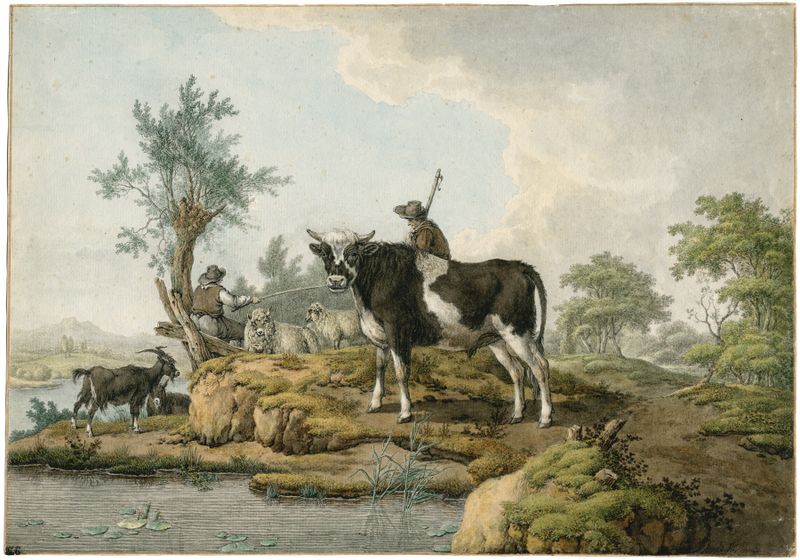
Boeren met jonge stier en ander vee langs waterkant
Barend Hendrik Thier
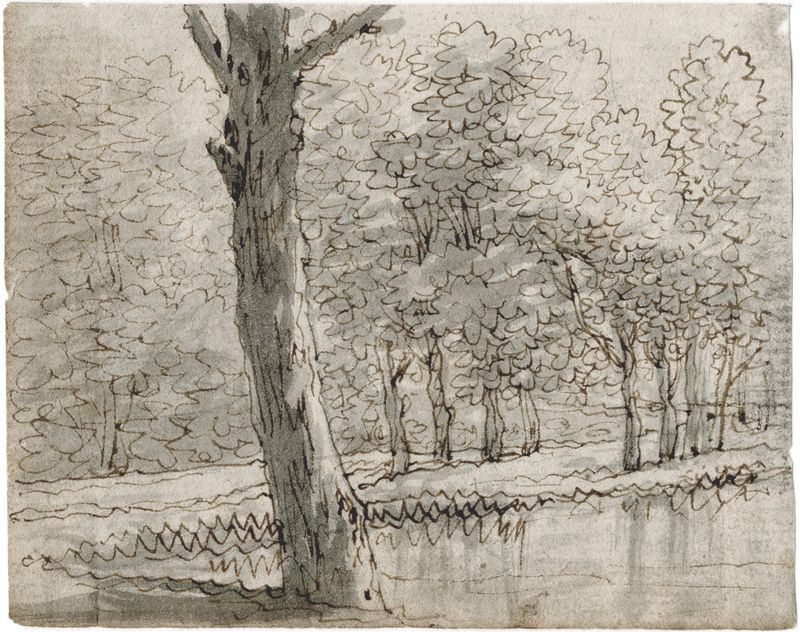
Bomen langs
Barend Hendrik Thier

Boerderij
Barend Hendrik Thier
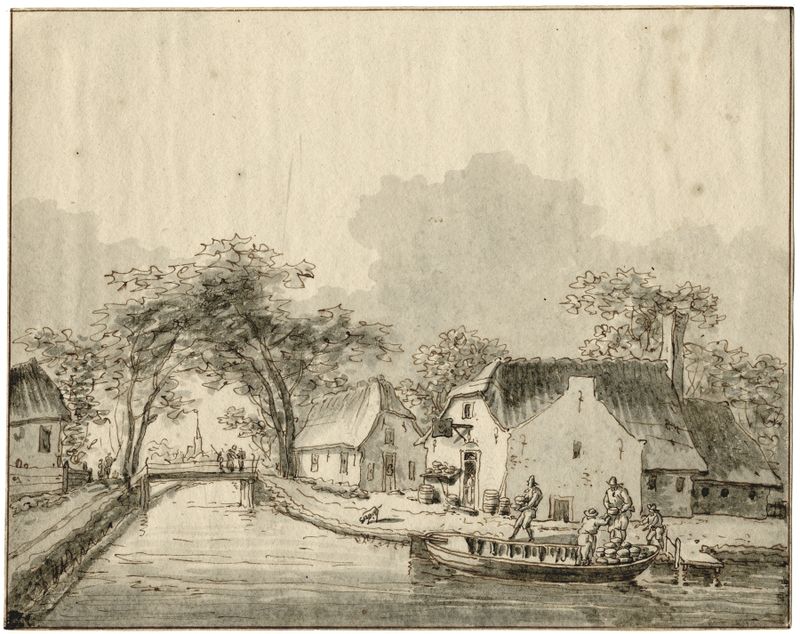
Vaart in dorpje
Barend Hendrik Thier
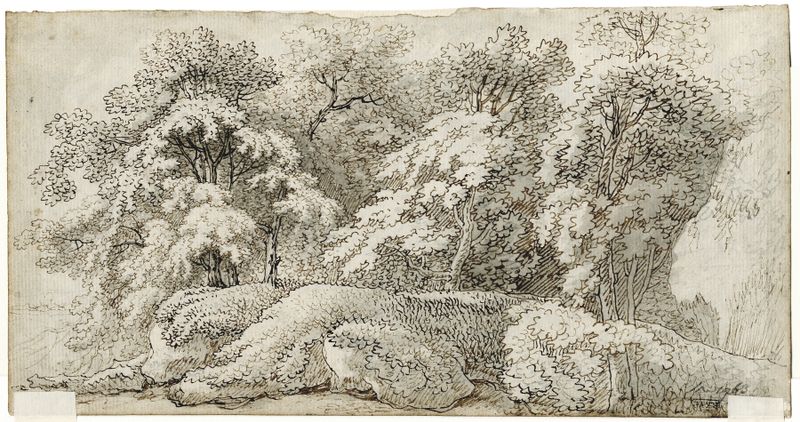
Bosgezicht
Barend Hendrik Thier





