Boerderij in de sneeuw — History & Facts
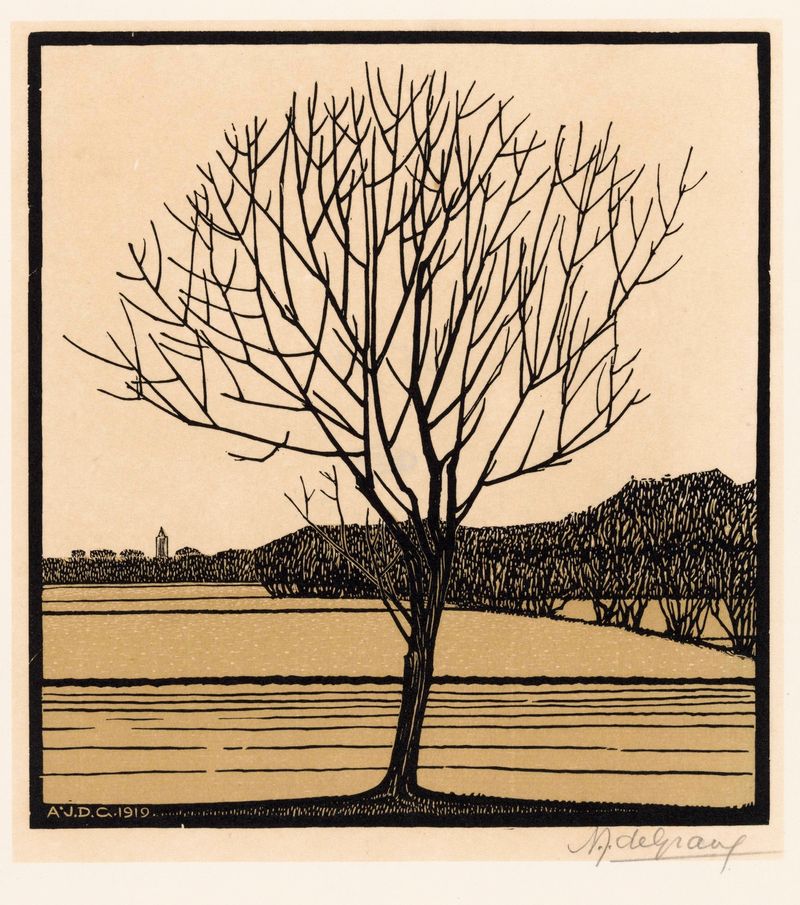
Where does light end, and longing begin? In Boerderij in de sneeuw, the shimmer of white terrain contrasts sharply with the darkness of the human heart, inviting contemplation of fragility amid the vast, cold expanse. Look to the left at the stark, lonely farmhouse, its muted colors echoing the snow’s purity while hinting at an underlying desolation. Notice how the light kisses the edges of the roof, casting long shadows that seem to grasp at the earth below. The delicate brushstrokes communicate both the stillness of winter and a deep unease, suggesting an unspoken story entwined in the serene landscape. The painting captures a haunting duality: the tranquility of nature juxtaposed against the weight of human experience.
The untouched snow signifies innocence, yet hints at violence lurking beneath the surface—a silence that speaks volumes of hardship and resilience. Each detail, from the frozen branches to the distant, obscured figures, evokes a sense of longing, revealing a tension between peace and the darker realities of life during the tumultuous aftermath of war. In 1918, Julie de Graag painted this work during a period when Europe was grappling with the scars of the First World War. Living in the Netherlands, she was influenced by both the expressive movements of her time and the personal struggles faced by society.
This work reflects the emotional landscape of a world emerging from chaos, contemplating the balance between beauty and the shadows that linger in its wake.