Kale boom — History & Facts
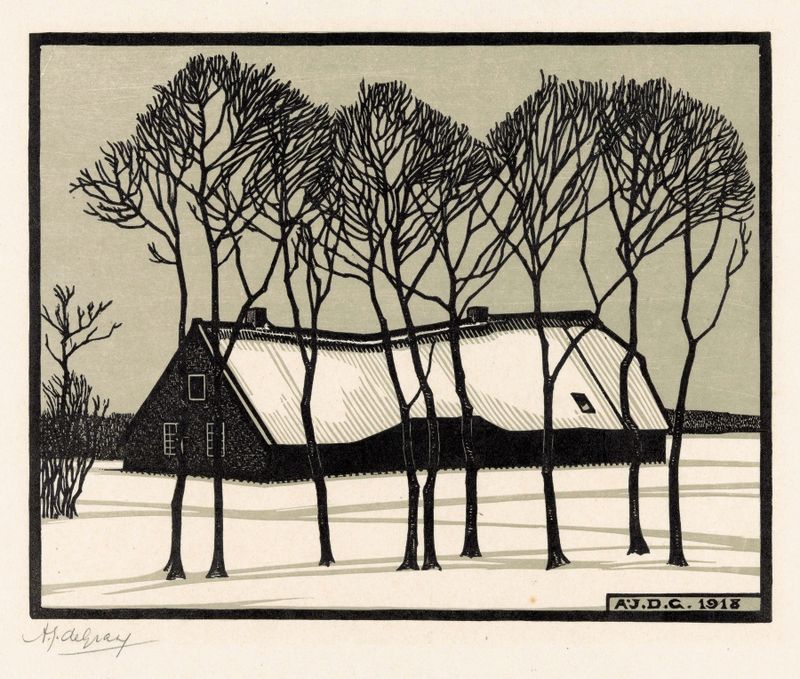
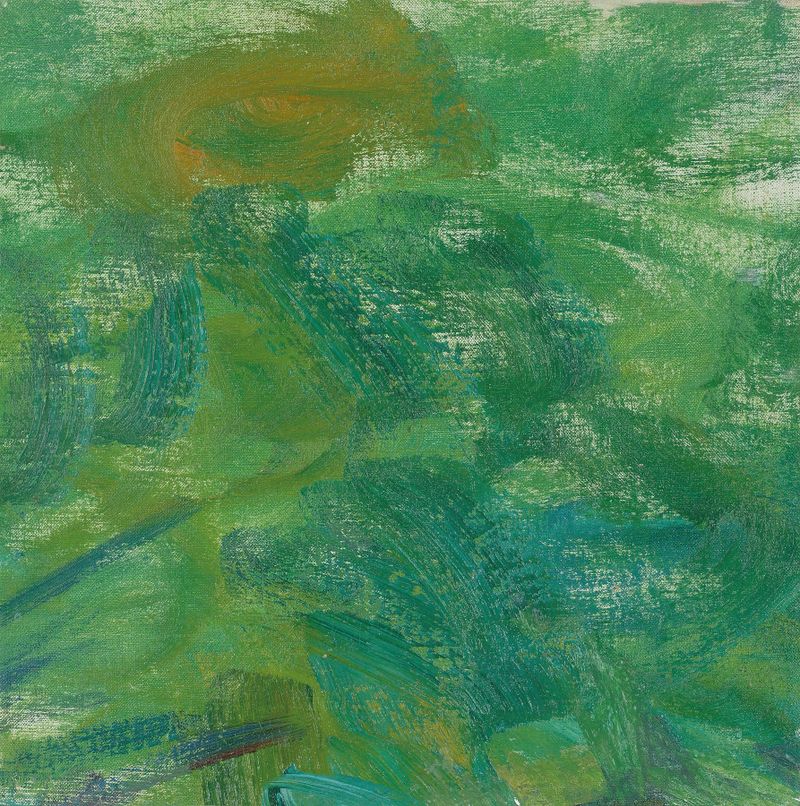
Could a single brushstroke hold eternity? In Kale Boom, nostalgia blooms through the vibrant greens and rich textures, inviting the viewer to delve into a moment suspended in time. Look to the left at the kale’s deep emerald leaves, each stroke meticulously crafted, as if whispering secrets from a bygone era. Notice how the interplay of light catches the contours, creating a harmonious dance of shadows that adds depth and dimension. The composition is not merely a study of plant life; it evolves into a celebration of abundance, with the kale’s lush folds spilling outward, dominating the canvas and drawing the eye to the intricate details of the textures within. This artwork resonates with emotional tensions, reflecting a world emerging from the ravages of war.
The kale, symbolizing resilience and the rebirth of nature, contrasts with the haunting memories of conflict. The piece encapsulates a moment of domestic tranquility amidst chaos, suggesting that even in hardship, beauty and sustenance can flourish. The vibrant hues evoke a sense of yearning for simpler days, while the kale’s robust form embodies strength and continuity in times of uncertainty. In the aftermath of World War I, Julie de Graag created Kale Boom in 1919 while living in the Netherlands, a country grappling with the consequences of strife.
This period marked a shift in the art world with new movements emerging, yet de Graag remained dedicated to capturing the essence of everyday life. Her choice to focus on the humble kale reflects a profound understanding of the connection between art, nature, and the human experience during times of change.