
Bolingbroke and Head of a Fiend — History & Facts
Bolingbroke and Head of a Fiend features a man with a serious expression and a demonic figure beside him. The man is dressed in elegant clothing, showcasing the fashion of the late 18th century. The background is dark and moody, which contrasts with the lighter tones of the man's attire.
The demon figure has exaggerated features, adding a sense of drama to the composition. Take a closer look at the details of the man's clothing; you can see the intricate patterns that were popular in that era. The facial expressions of both the man and the fiend tell a story of tension and conflict. Notice how the light falls on the man's face, highlighting his features while casting shadows on the fiend.
The contrast between the two figures creates a striking visual impact. George Romney was an English portrait painter known for his ability to capture the personality of his subjects. He worked during the Romanticism period, where artists focused on emotion and individualism. One interesting fact about Romney is that he painted many prominent figures of his time, including politicians and actors.
His works are celebrated for their elegance and attention to detail.
More Artworks by George Romney

Lady Hamilton as Tragedy
George Romney
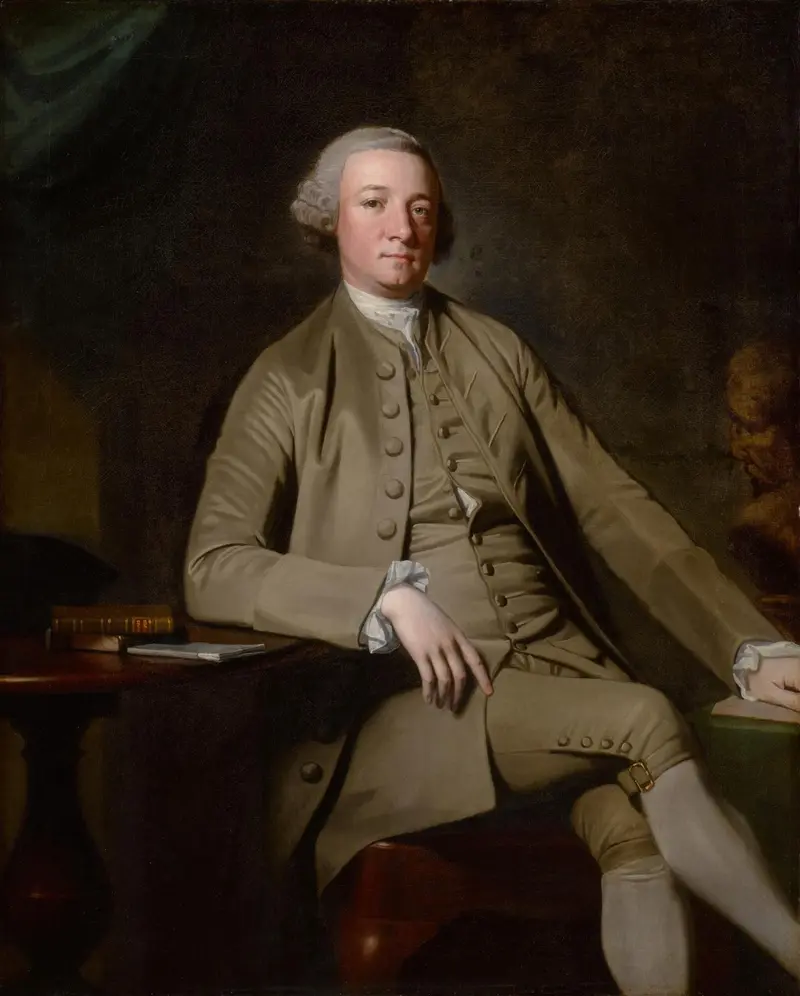
Portrait of a Gentleman, seated, probably William Suddel of Lancaster
George Romney
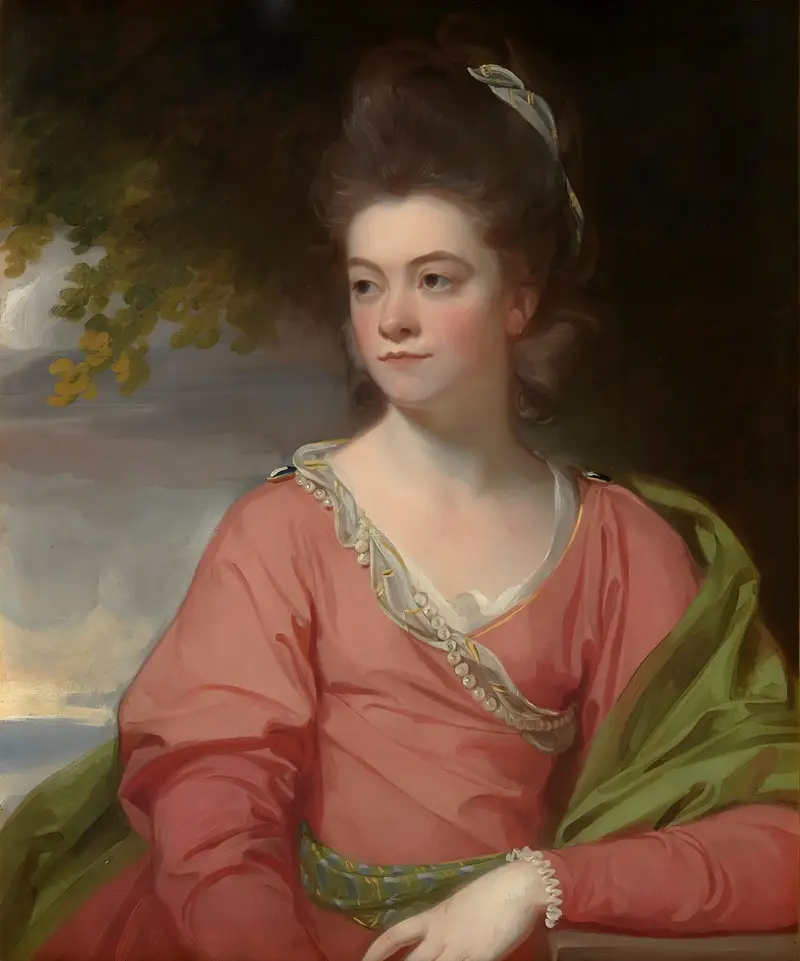
Portrait of a lady, traditionally identified as Miss Inchbold
George Romney
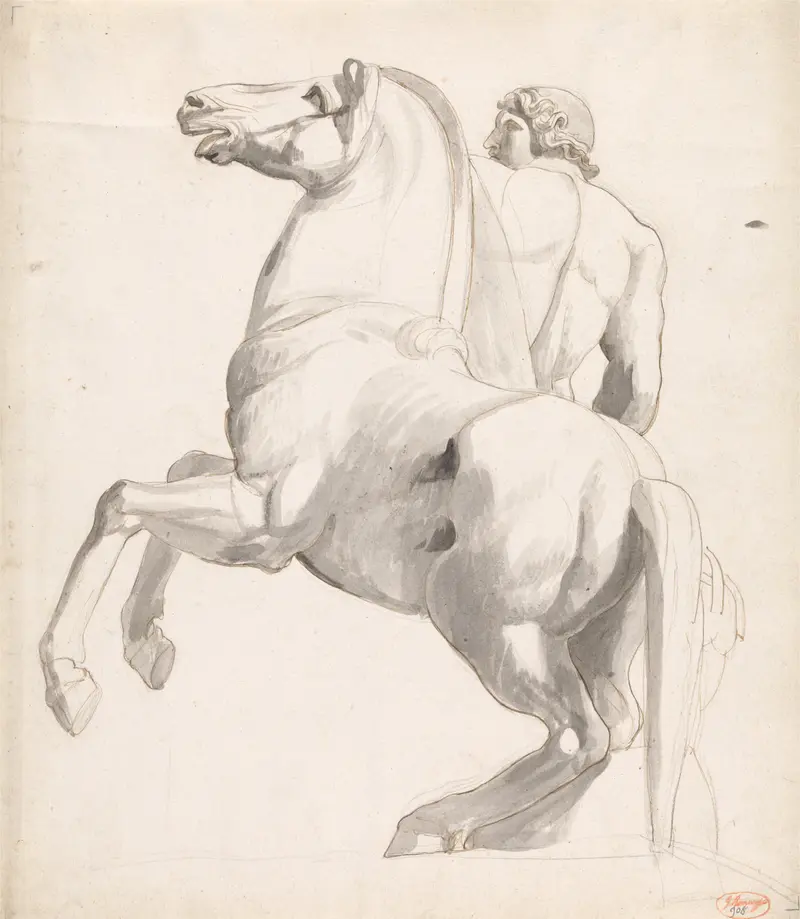
Horseman of Montecavallo
George Romney
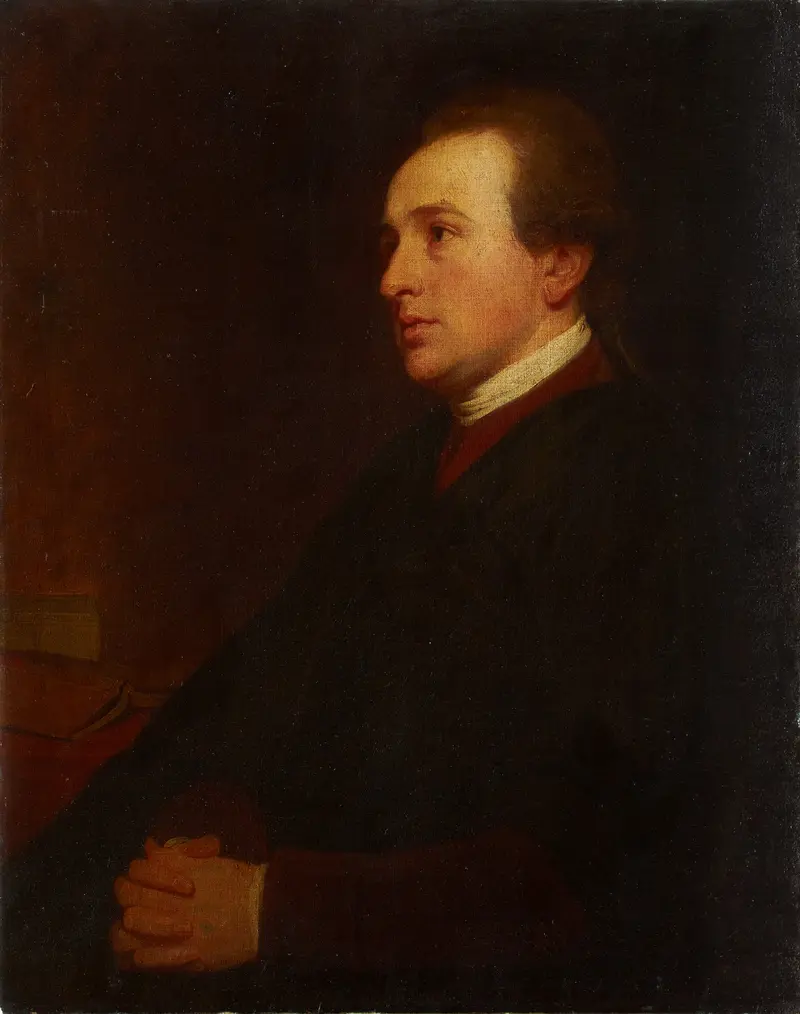
Portrait of a Young Man at his Desk
George Romney
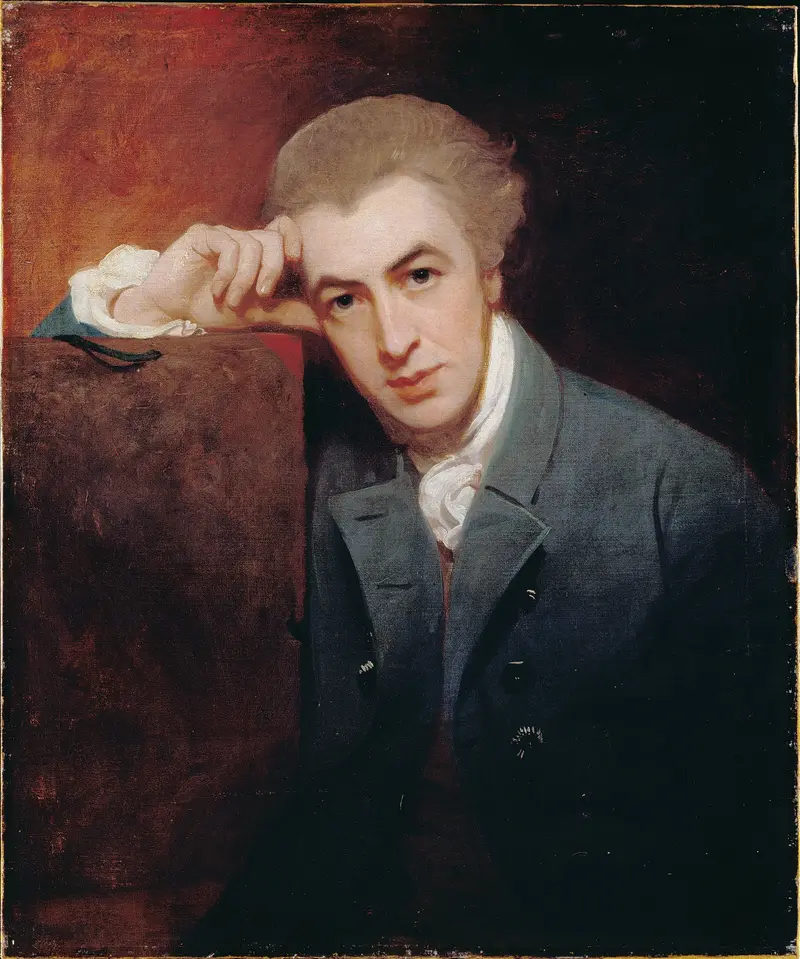
William Hayley
George Romney
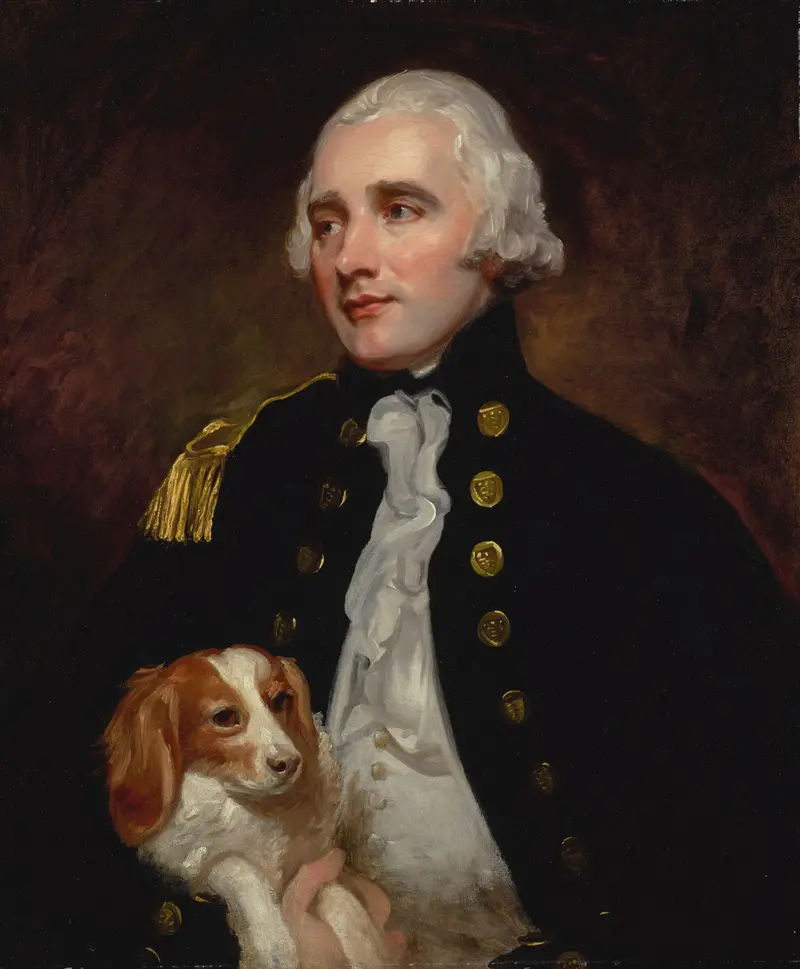
Portrait Of An Officer Of The Corps Of Engineers, Half-Length, Formerly Identified As Sir George Grey
George Romney
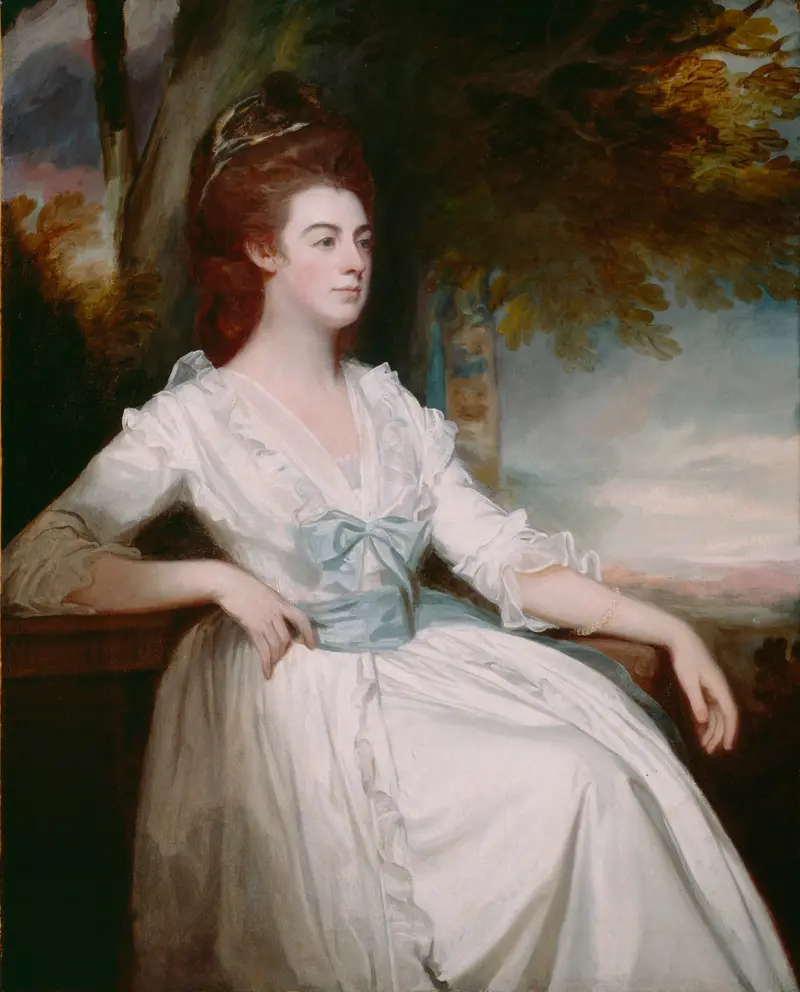
Miss Clavering
George Romney
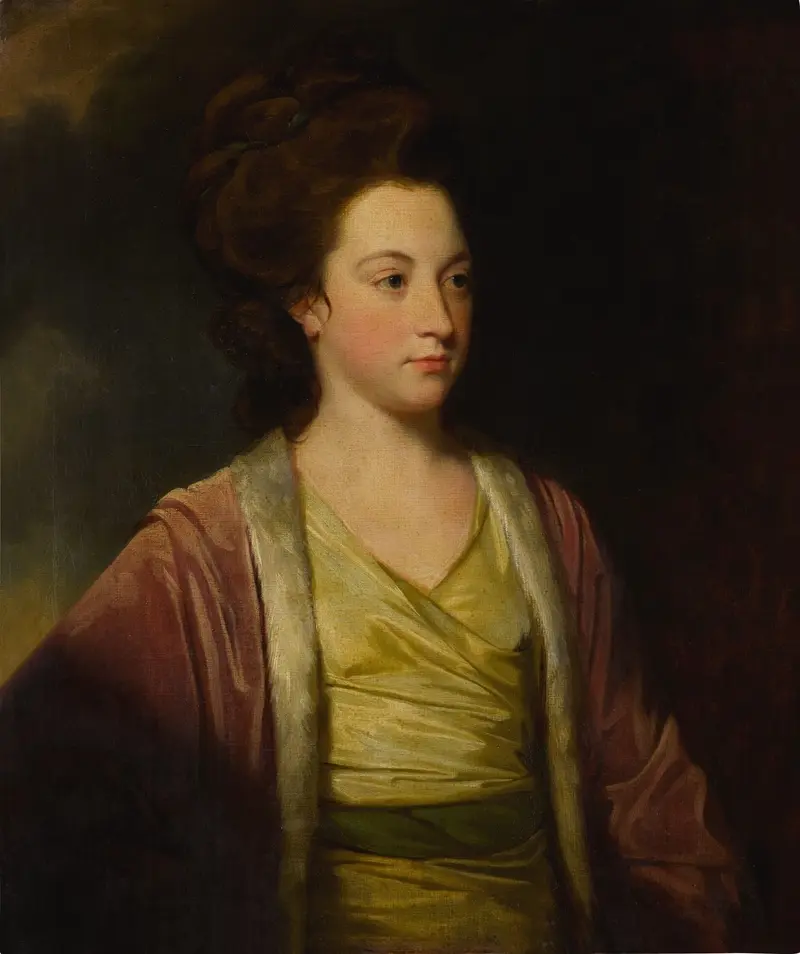
Portrait of Frances Alicia Bennet (b. 1749)
George Romney
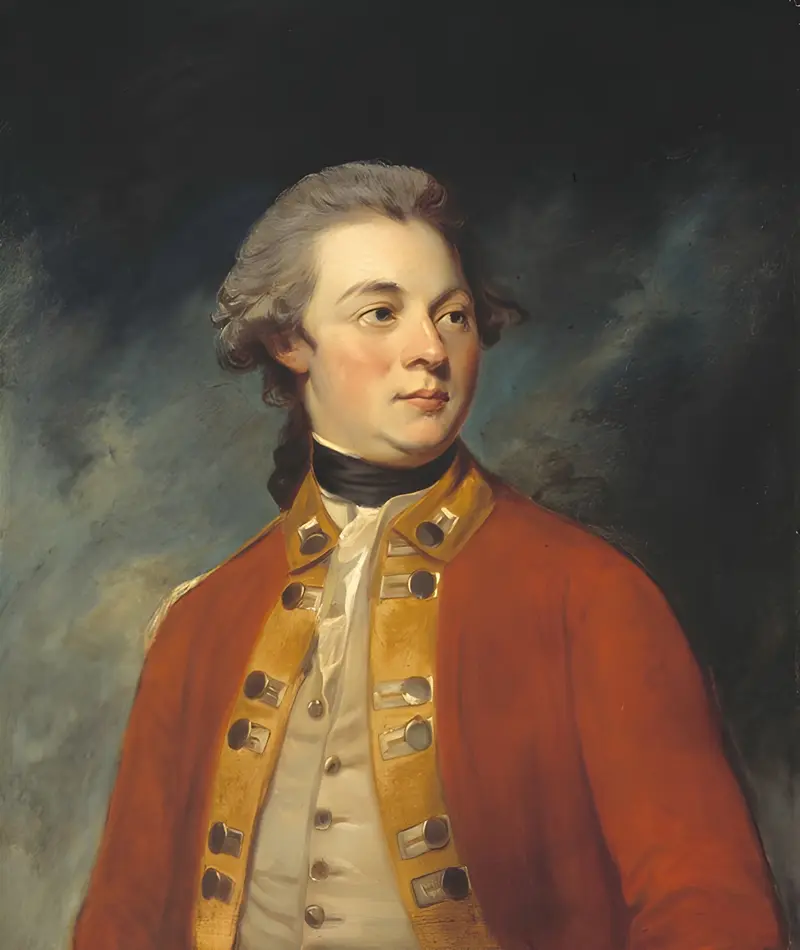
Portrait of Francis North, 4th Earl of Guilford (1761-1817)
George Romney





