Bologna, View in the Strada Maggiore — History & Facts
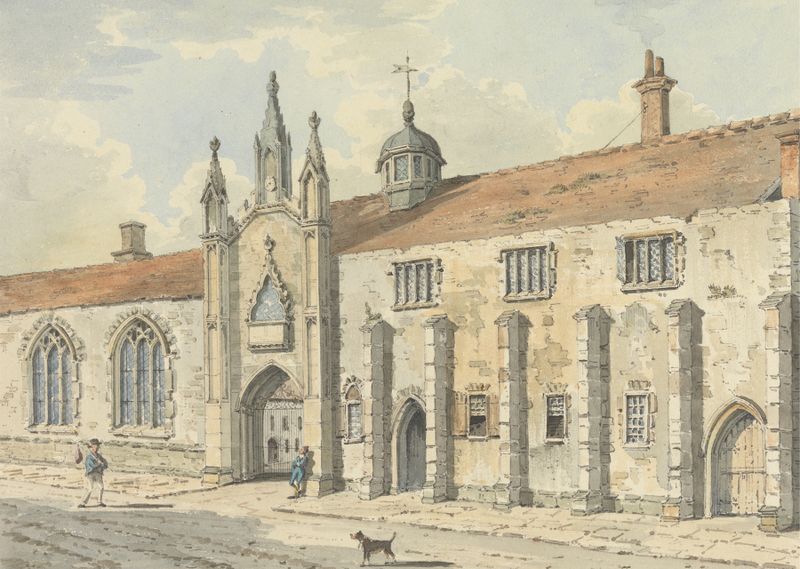
Who listens when art speaks of silence? In the hushed streets of Bologna, a world unfolds where stillness carries the weight of history. Look to the left of the canvas, where architecture rises majestically against a sun-dappled sky. The elegant arches and soft hues of terracotta create a warm embrace, inviting the viewer to wander into the scene. Notice how the artist skillfully captures the play of light; shadows dance gracefully along cobblestone paths, suggesting the passage of time yet keeping the moment suspended.
Subtle variations in color, from deep ochres to pale blues, enhance both depth and serenity. Within this tranquil setting lies a palpable tension between the lively past and the quiet present. The juxtaposition of the bustling city life, hinted at by the distant figures, and the stillness of the surrounding buildings evokes a sense of nostalgia. The scene seems to whisper stories of generations, fostering an awe of both human achievement and the fleeting nature of existence.
Each detail, from the textures of the stone to the delicate clouds swirling above, serves to deepen this emotional resonance. In 1819, Atkinson painted this view while immersing himself in the rich culture of Italy, a period marked by burgeoning Romanticism. The artist's life was characterized by his travels and explorations across Europe, and this work reflects a moment of synthesis between observation and emotional interpretation. As an English painter influenced by the landscapes and architecture of his travels, he captured not just a view but an experience that resonates with the viewer’s spirit.