May Day — History & Facts
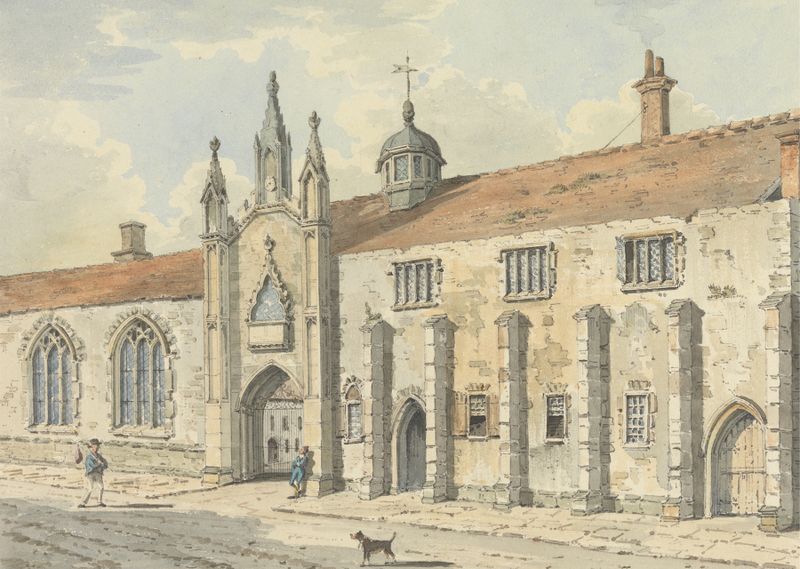
Did the painter know this moment would outlive them? In the act of creation, there lies an obsession with capturing not just an image but the very essence of time, a fleeting fragment of life immortalized on canvas. Look closely at the vibrant hues that dance across the landscape, inviting your eyes to wander. The luscious greens of the fields pulse with a life of their own, while the blue sky stretches infinitely above. Notice the intricate details—each figure interacting in a harmonious choreography, their gestures full of jubilance and purpose, echoing the celebratory nature of the day.
The brushwork, both meticulous and expressive, conveys a sense of movement, as though the scene breathes with the laughter and chatter of its subjects. Yet beneath this joyous exterior lies a poignant contrast. The revelry of May Day hints at the transient nature of happiness, a reminder that such moments are often overshadowed by the weight of reality. The delicate balance of light and shadow captures the tension between celebration and the inevitable return to ordinary life.
Each character, though absorbed in enjoyment, carries an unspoken story—an echo of their lives that reverberates through the canvas, intertwining joy with the solemnity of existence. The painting emerged from the brush of John Augustus Atkinson during a period when England was experiencing notable social and artistic change in the mid-19th century. Although the exact date remains unknown, Atkinson's work reflects the burgeoning fascination with capturing everyday life and community in art, a movement that was gaining momentum as the world around him evolved. In this vibrant depiction, the artist engaged with both the personal and the collective, weaving together the ephemeral joys of May Day with a timeless significance.