Bord — History & Facts
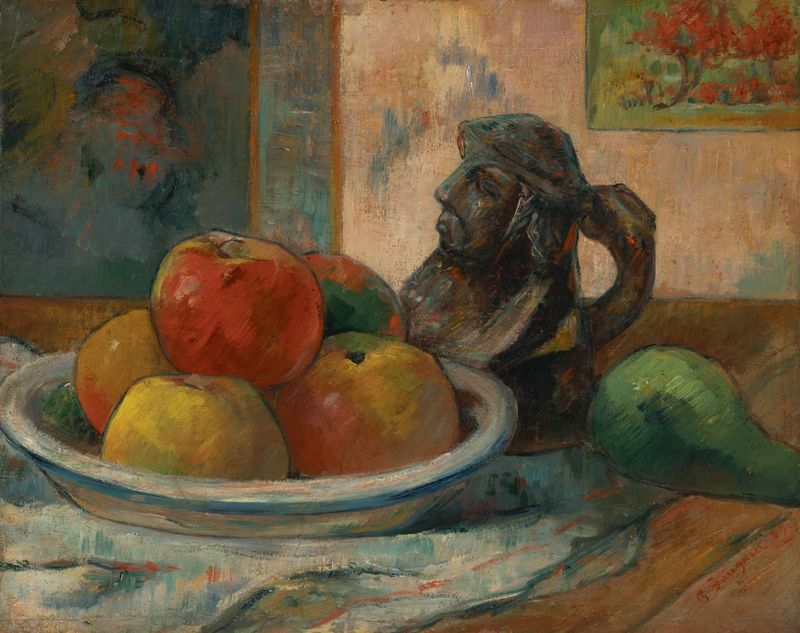
Could beauty survive in a century of chaos? Amidst the turbulence of the early 18th century, this artwork offers a striking glimpse into the fragile nature of trust and betrayal. Look to the center, where the delicate arrangement of still life unfolds—a table adorned with vibrant fruits and a porcelain vessel. Notice how the light dances across the surface, casting gentle shadows that create depth and intrigue. The artist employs a rich palette, juxtaposing warm oranges and deep greens, invoking both abundance and the hidden decay that lingers beneath such beauty. Delve deeper into the intricate details; the slight blemishes on the fruit reflect imperfection and uncertainty, embodying the tension between outward beauty and inner turmoil.
The porcelain vessel, pristine yet empty, suggests a longing for fulfillment that remains just out of reach. These elements collectively weave a narrative of betrayal, where appearances deceive and even the most exquisite objects bear the weight of their inevitable decline. Created between 1720 and 1730, this piece emerged during a time when many artists were exploring themes of transience and the moral implications of material wealth. The artist, still unknown, likely found inspiration during a period marked by political unrest and shifting cultural landscapes in Europe, prompting a reflection on the nature of beauty amidst chaos—a question that continues to resonate today.
More Artworks by Unknown Artist
Browse all →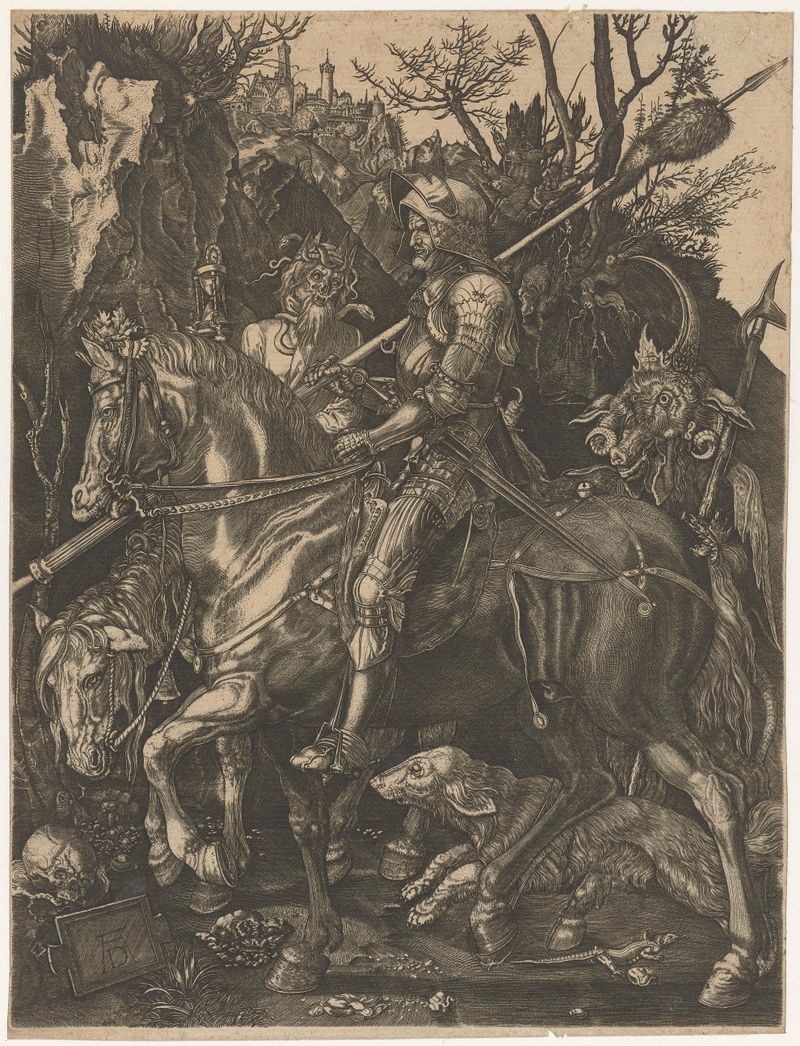
Ridder, Dood en Duivel
Unknown Artist
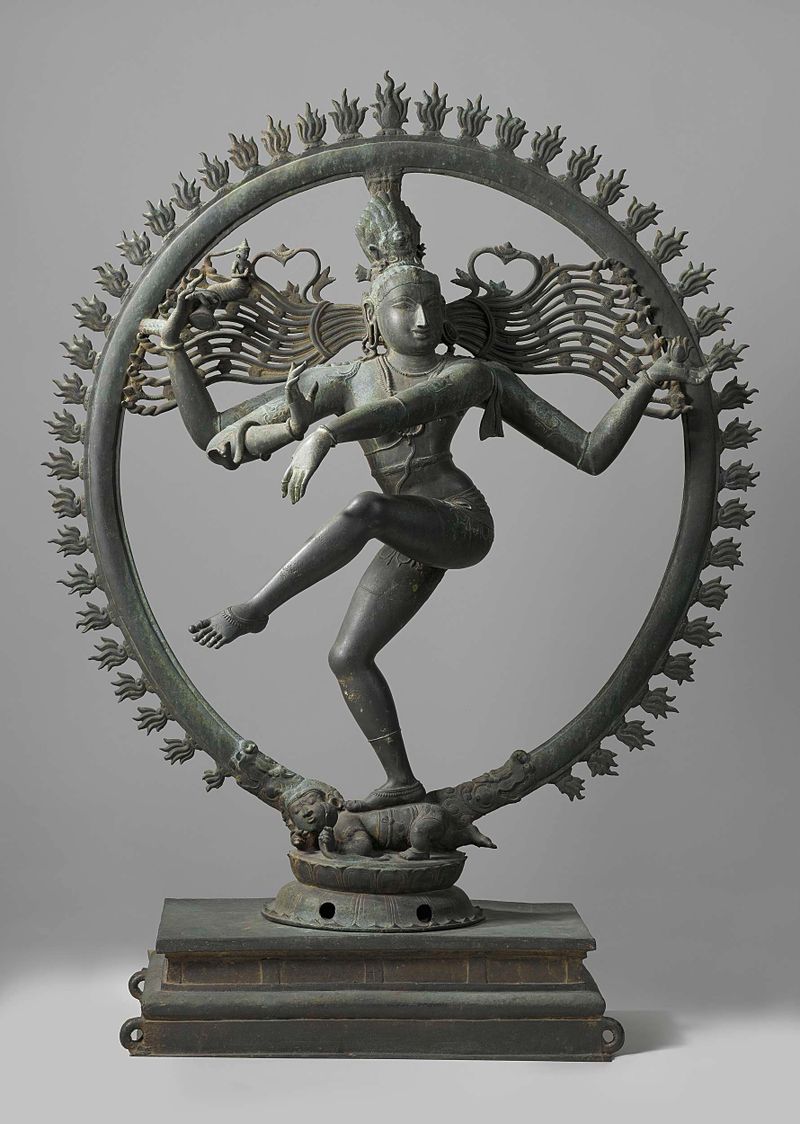
Shiva Nataraja
Unknown Artist
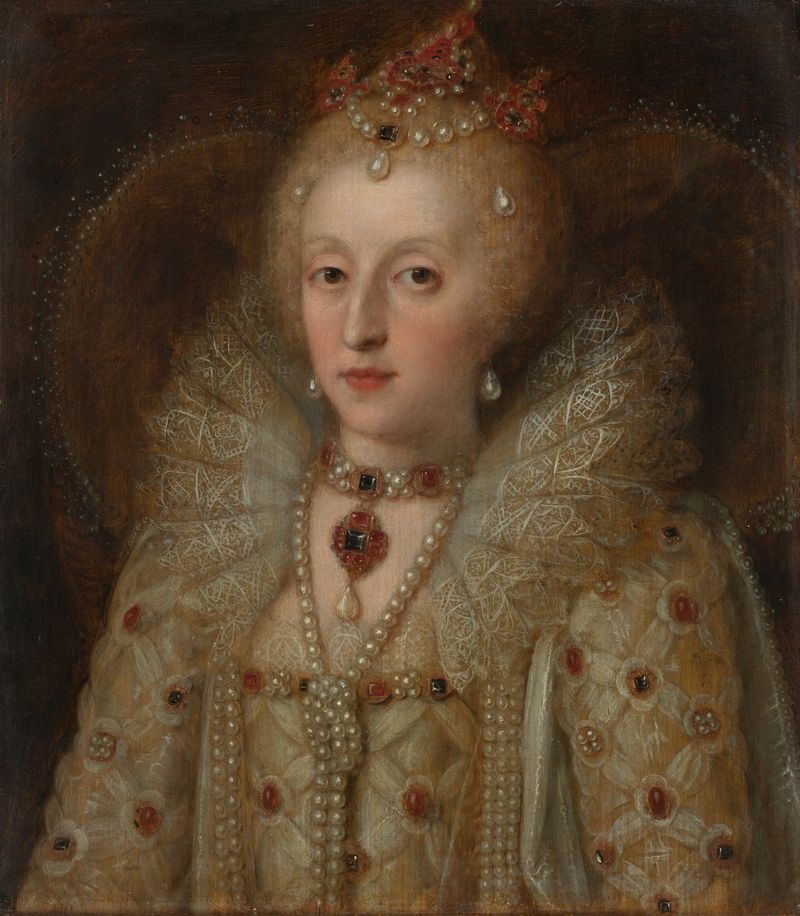
Portrait of Elizabeth I, Queen of England
Unknown Artist
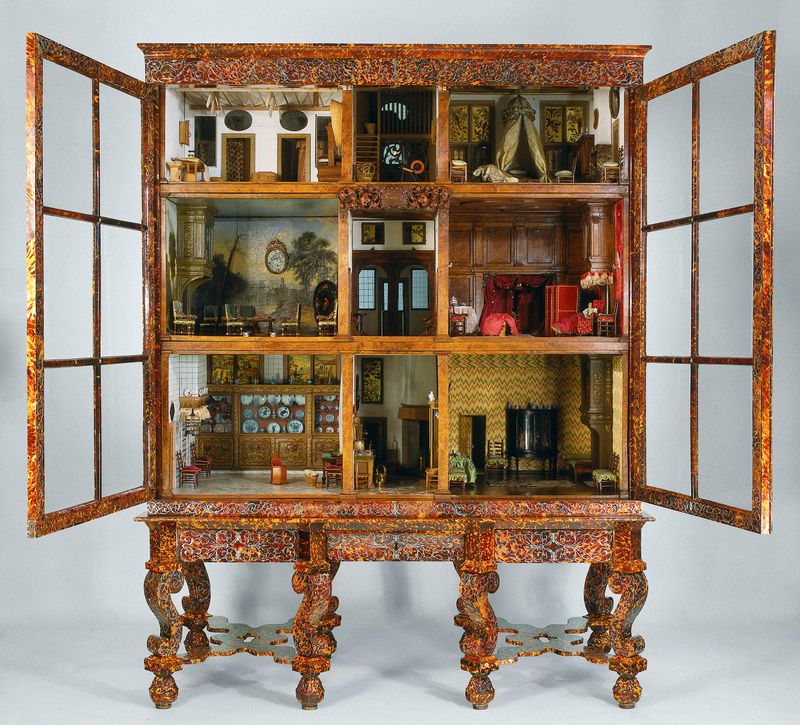
Dolls’ house of Petronella Oortman
Unknown Artist
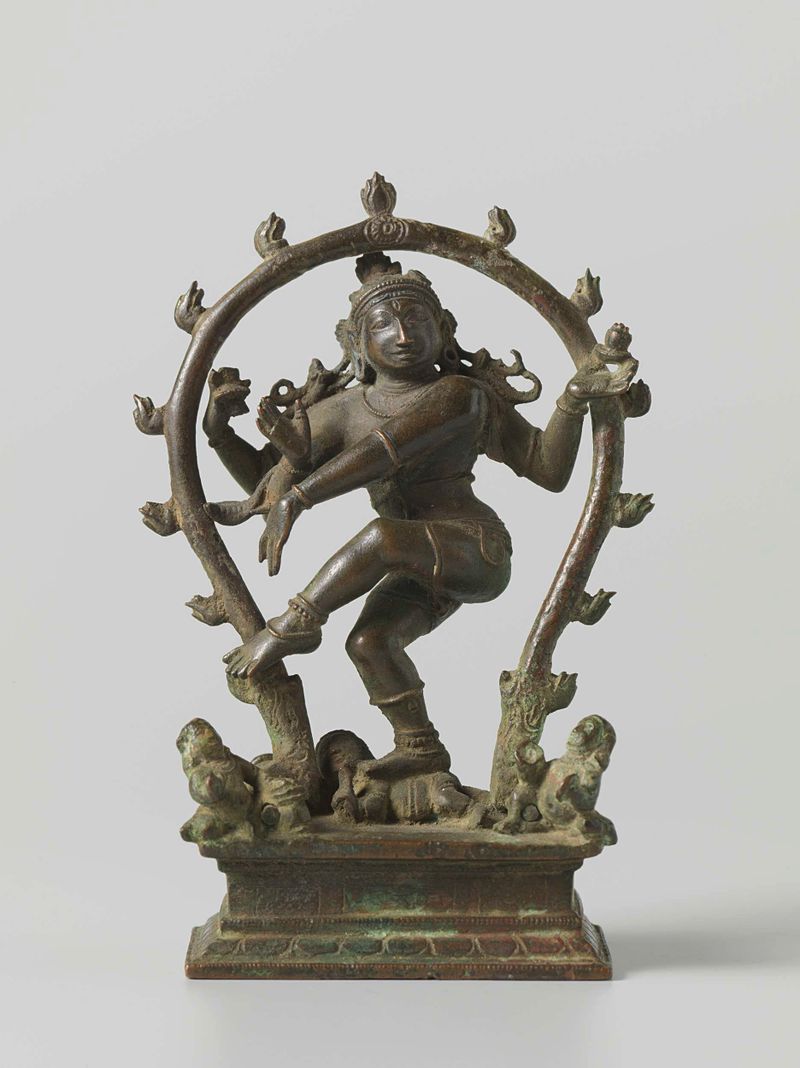
Shiva Nataraja
Unknown Artist

The Tale of Genji
Unknown Artist

The Tale of Genji
Unknown Artist

Cong
Unknown Artist
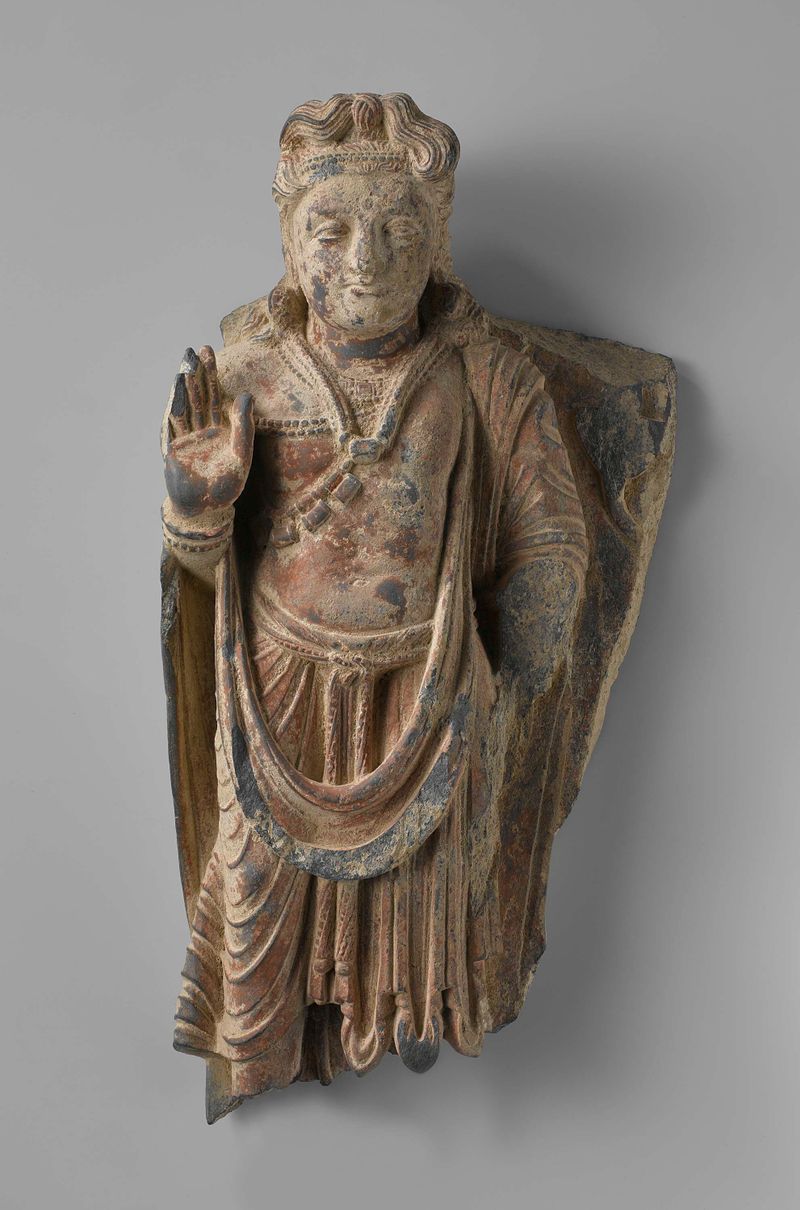
The bodhisattva Maitreya
Unknown Artist

Teabowl with a 'hare's fur' glaze
Unknown Artist