
Borstbeeld van Domitia Calvilla in lauwerkrans — History & Facts
Is this a mirror — or a memory? In Borstbeeld van Domitia Calvilla in lauwerkrans, the viewer is drawn into a realm where past and present elegantly entwine, challenging us to reflect on the nature of legacy and honor. Look to the center, where the marble bust of Domitia Calvilla emerges with striking clarity. Notice how the artist has meticulously carved the facial features, imbuing her expression with a serene strength. Surrounding her head, the laurel wreath acts as both a crown and a reminder of triumph, its vibrant greens contrasting with the cool, pale tones of the marble.
The play of light across her visage highlights the delicate details — the soft curves of her cheeks, the gentle arch of her brow — creating a lifelike presence that almost breathes. The emotional tension in this work lies in its duality: the immortality of the marble versus the ephemeral nature of human life. The laurel wreath signifies victory but also hints at the inevitable passage of time, where accolades fade and memories blur. The juxtaposition of the strong, confident gaze and the fragility of life invites the viewer to ponder the weight of remembrance and legacy.
Here, one senses the artist's intention to balance reverence for historical figures with the personal resonance of their stories. Hans Sebald Beham created this piece in 1546, during a period when Renaissance ideals flourished in Europe. Working in Nuremberg, Beham was known for his engravings and paintings that often fused classical beauty with intricate detail. He was part of a cultural revival that sought to explore themes of humanism and individualism, reflecting the changing dynamics of society at the time.
This work exemplifies his engagement with those themes, embodying both a tribute to an individual and an exploration of the complexities of memory itself.
More Artworks by Hans Sebald Beham
Browse all →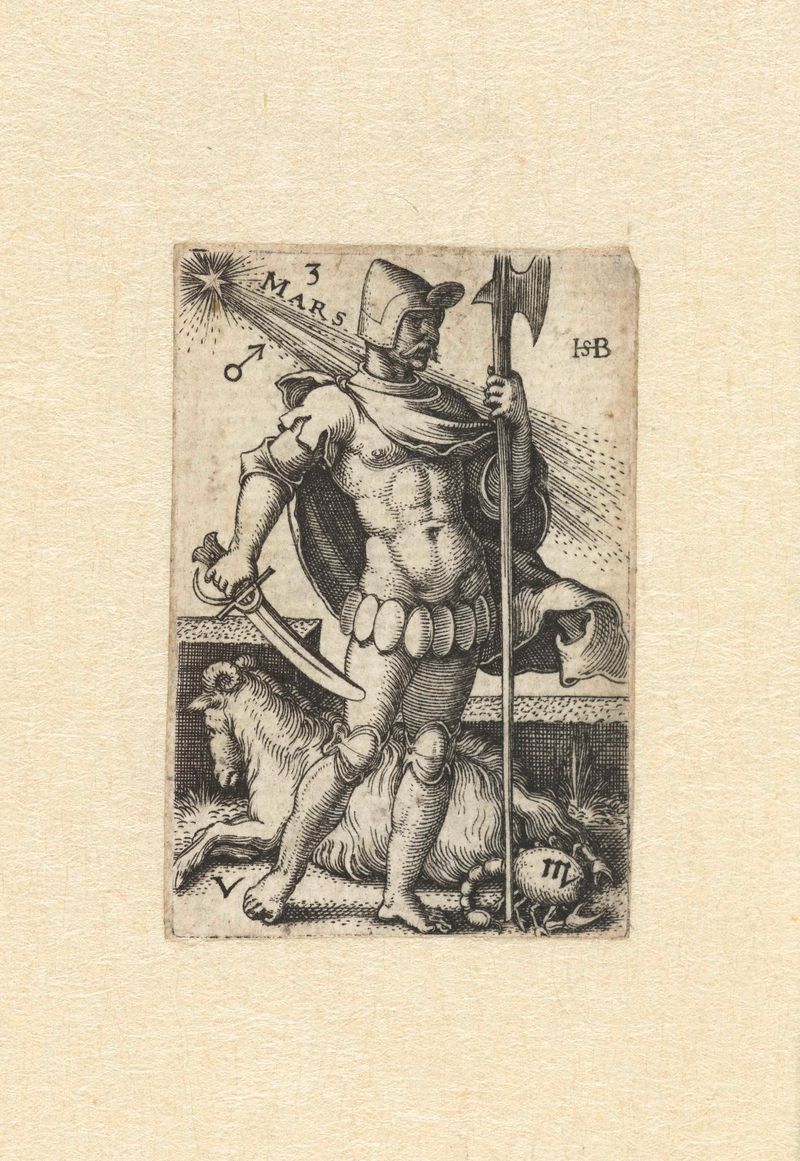
Mars met sterrenbeelden Ram en Schorpioen
Hans Sebald Beham

Achilles in gevecht met Hector
Hans Sebald Beham
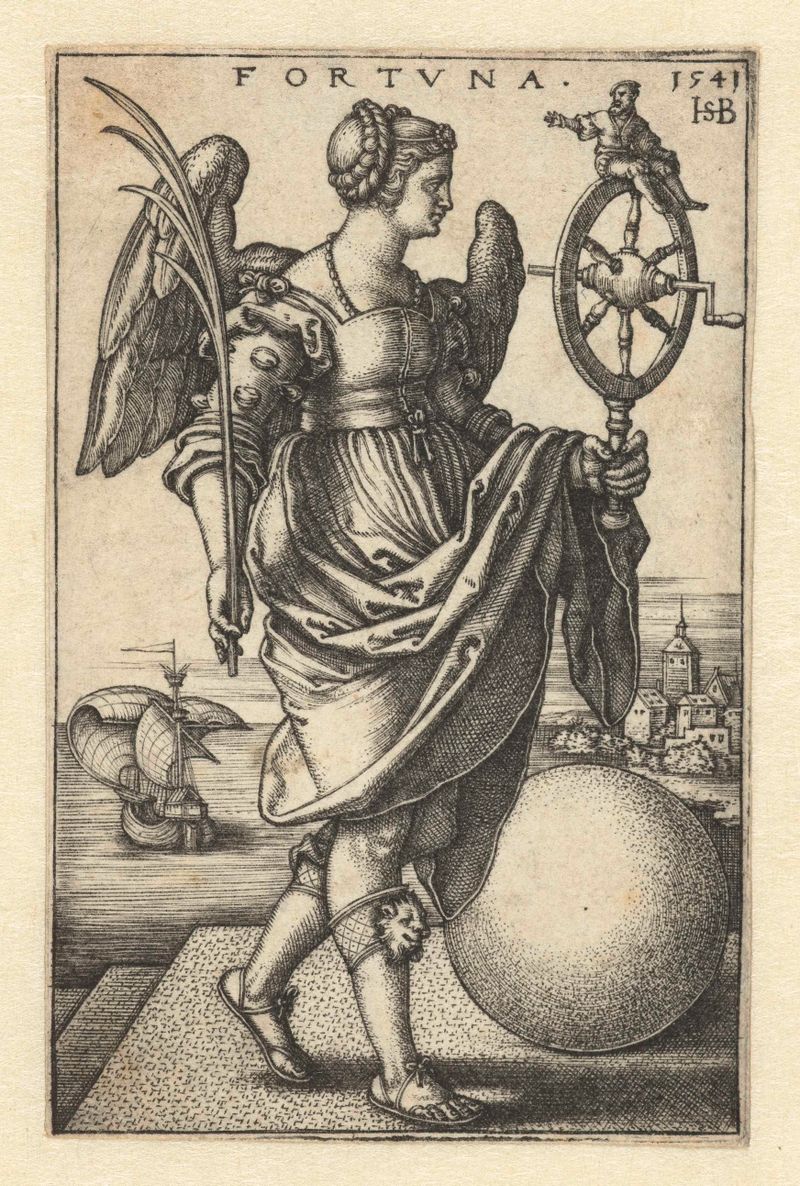
Fortuna
Hans Sebald Beham

Hercules worstelt met Antaeus
Hans Sebald Beham

Twee muzikanten met schalmey en doedelzak
Hans Sebald Beham

Voorzichtigheid (Prudentia)
Hans Sebald Beham

Hercules in gevecht met de Trojanen
Hans Sebald Beham
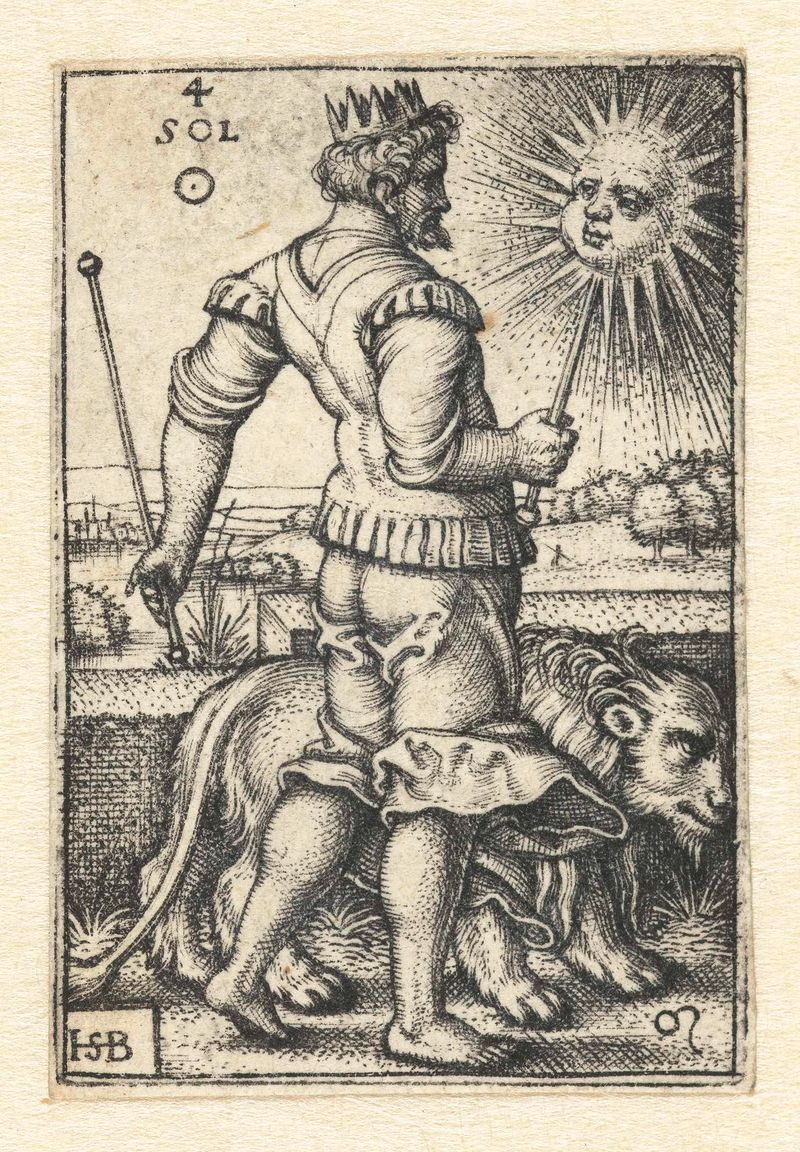
Apollo (Sol) met sterrenbeeld Leeuw
Hans Sebald Beham
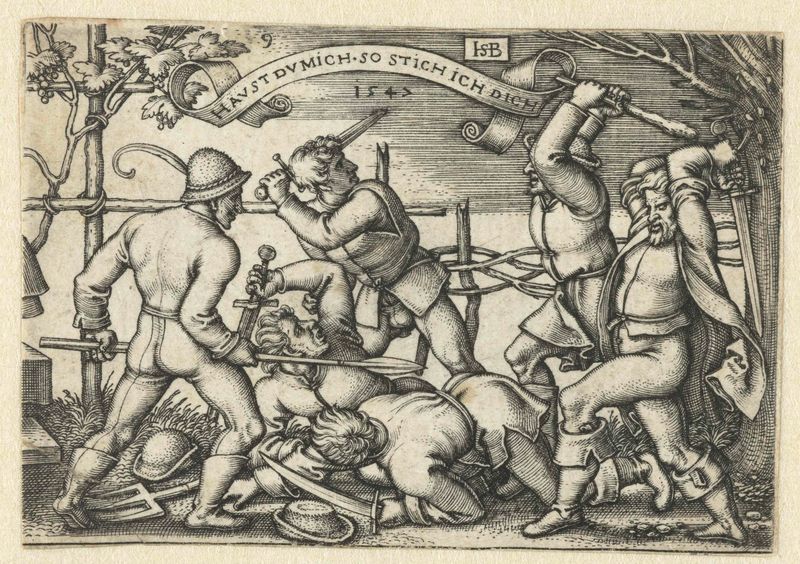
Vechtende boeren met zwaarden
Hans Sebald Beham
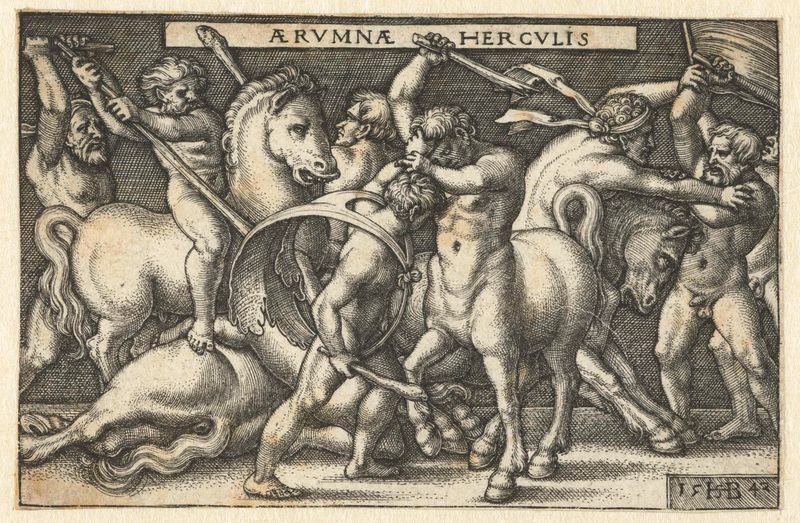
Hercules in gevecht met centaurs
Hans Sebald Beham
More Portrait Art
Browse all →
Las meninas
Diego Velázquez

Self-portrait with a Bandaged Ear and Pipe
Unidentified artist

Girl with a Pearl Earring
Johannes Vermeer

The Sampling Officials of the Amsterdam Drapers’ Guild, Known as ‘The Syndics’
Rembrandt van Rijn

The Hundred Guilder Print: the man seen on the back in the lower left corner
Rembrandt van Rijn

Portrait of Dr Gachet
Vincent van Gogh