
Borstbeeld van Trajanus in lauwerkrans — History & Facts
In the midst of vibrant life, art often finds itself confronting a profound emptiness, an echo of the void that resides beneath the surface. Focus on the regal laurel wreath, a symbol of victory and honor, resting gently upon the head of the bust. Notice how the meticulous detailing of Trajanus' features—his stern brow and resolute gaze—invites a complex dialogue between triumph and mortality. The muted palette, predominantly earth tones punctuated by gentle highlights, evokes a somber yet dignified atmosphere, suggesting a legacy that teeters on the edge of remembrance. Within this sculptural representation lies a poignant tension; the laurels that adorn the bust signify both glory and the inevitable passage of time.
Each intricate curve and shadow illustrates not only the physical form but the weight of history itself. The void surrounding the figure amplifies this dichotomy, as it breathes life into the stillness, reminding the viewer of the ephemeral nature of power and the silence that follows. In 1546, Hans Sebald Beham crafted this piece during a period of artistic transition in Germany, where the Renaissance was giving way to Mannerism. Beham, known for his detailed engravings and traditionalist views, was immersed in a world grappling with religious upheaval and shifting ideals.
In creating this bust, he captured a moment where art sought to bridge the ancient with the contemporary, reflecting a quest for permanence amidst the transient nature of existence.
More Artworks by Hans Sebald Beham
Browse all →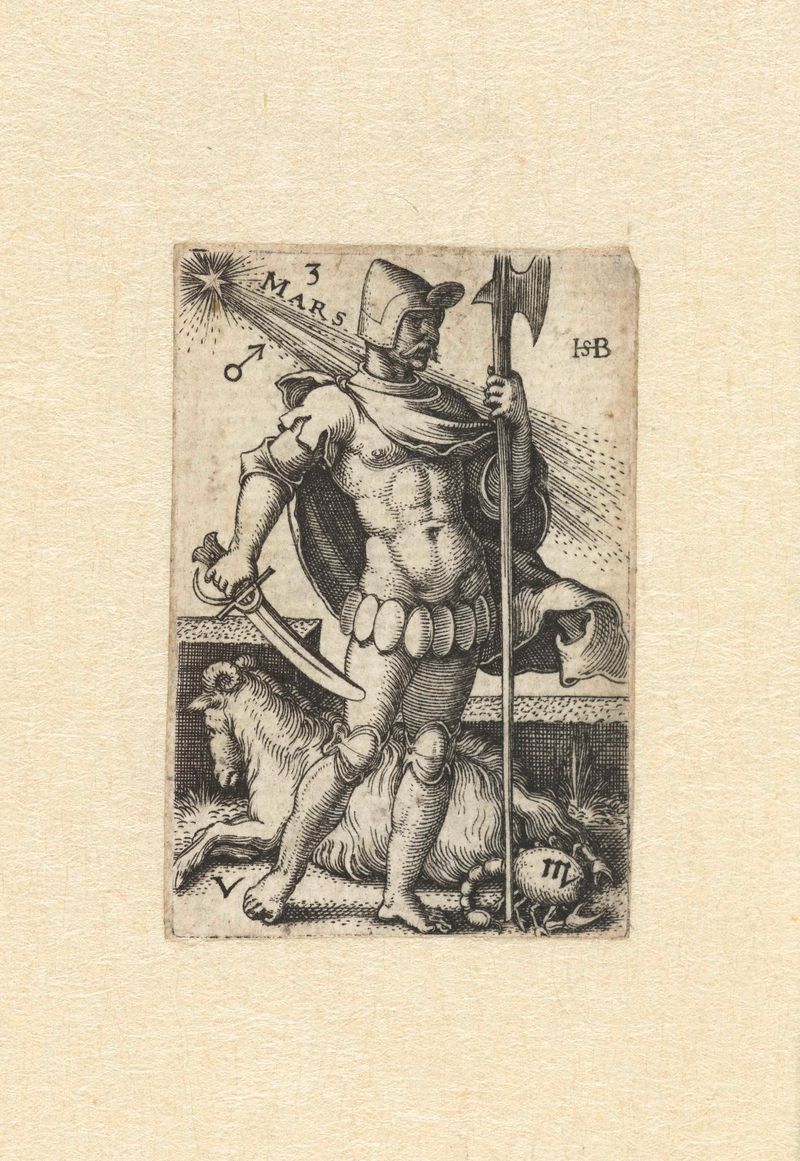
Mars met sterrenbeelden Ram en Schorpioen
Hans Sebald Beham

Achilles in gevecht met Hector
Hans Sebald Beham
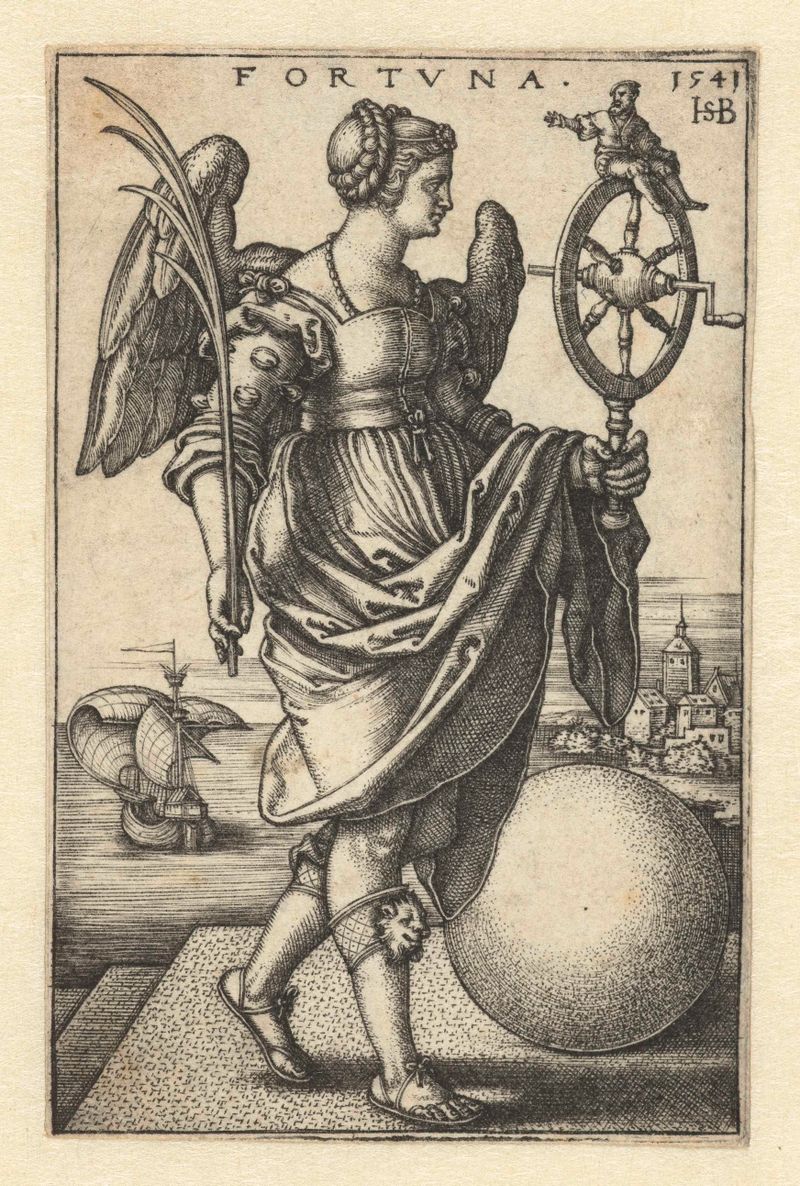
Fortuna
Hans Sebald Beham

Hercules worstelt met Antaeus
Hans Sebald Beham

Twee muzikanten met schalmey en doedelzak
Hans Sebald Beham

Voorzichtigheid (Prudentia)
Hans Sebald Beham

Hercules in gevecht met de Trojanen
Hans Sebald Beham
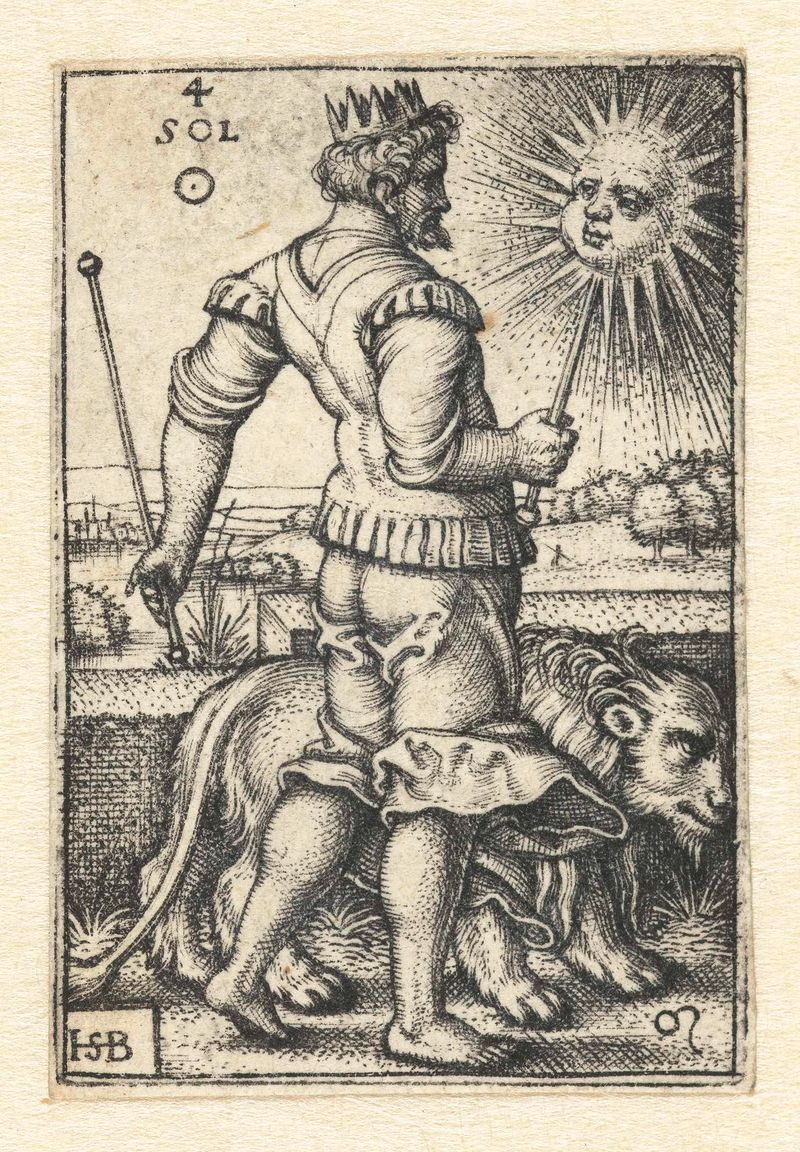
Apollo (Sol) met sterrenbeeld Leeuw
Hans Sebald Beham
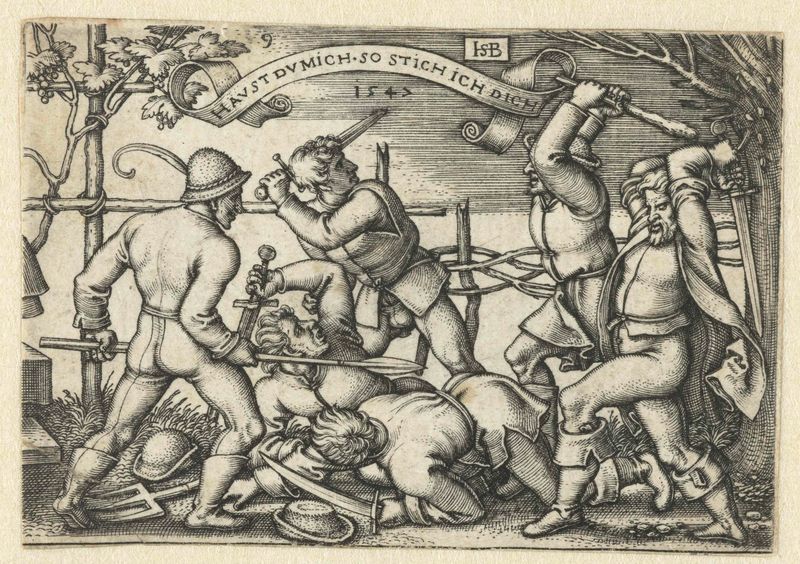
Vechtende boeren met zwaarden
Hans Sebald Beham
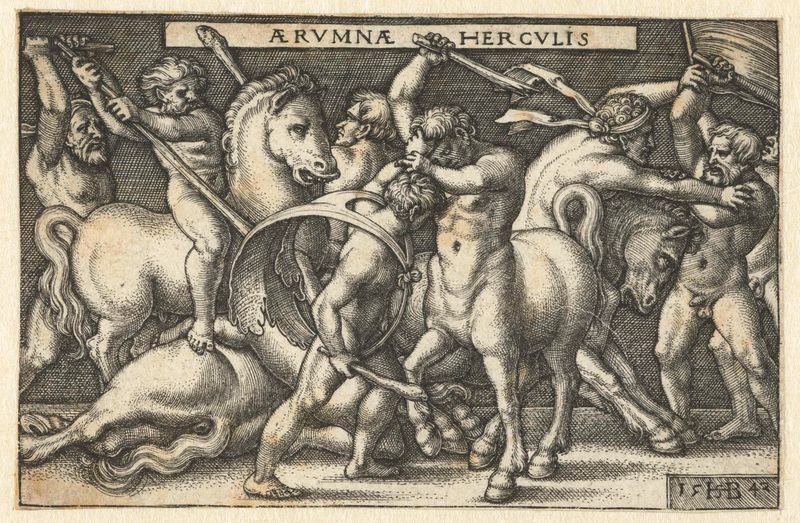
Hercules in gevecht met centaurs
Hans Sebald Beham
More Portrait Art
Browse all →
Las meninas
Diego Velázquez

Self-portrait with a Bandaged Ear and Pipe
Unidentified artist

Girl with a Pearl Earring
Johannes Vermeer

The Sampling Officials of the Amsterdam Drapers’ Guild, Known as ‘The Syndics’
Rembrandt van Rijn

The Hundred Guilder Print: the man seen on the back in the lower left corner
Rembrandt van Rijn

Portrait of Dr Gachet
Vincent van Gogh