
Boslandschap — History & Facts
Can beauty exist without sorrow? In Boslandschap, the edges of the forest whisper secrets of transience, where the harmony of nature is intertwined with the inevitability of loss. Look to the left, where a cascade of vibrant greens envelops the canvas, drawing your gaze to the towering trees that stand sentinel over the land. Notice how the dappled sunlight filters through the foliage, casting gentle shadows that dance across the forest floor. The rich earth tones and soft, blended brushstrokes create a serene atmosphere, yet beneath this idyllic surface lies an undercurrent of melancholy. The horizon, tinted with the warm hues of dusk, hints at the passage of time and the fleeting nature of beauty.
The stillness of the scene belies a tension; the trees, majestic yet solitary, embody both life and decay. It is as if every rustling leaf carries the weight of stories untold, reminding us of our mortal existence and the beauty found within its fragility. Lucas van Uden painted Boslandschap during a period of flourishing Dutch landscape art in the 17th century, a time marked by vibrant artistic exploration and deep appreciation for the natural world. Living in Antwerp, he was influenced by the emerging Baroque style which celebrated the interplay of light and shadow.
His works often reflected both the splendor of the environment and humanity’s complex relationship with it, revealing a world where beauty, inevitably tied to mortality, evokes both wonder and introspection.
More Artworks by Lucas van Uden
Browse all →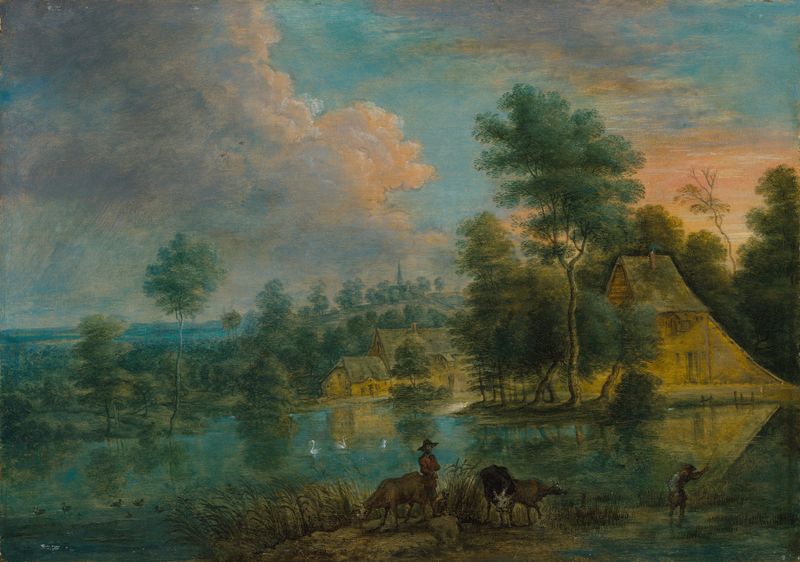
A river landscape with travellers
Lucas van Uden
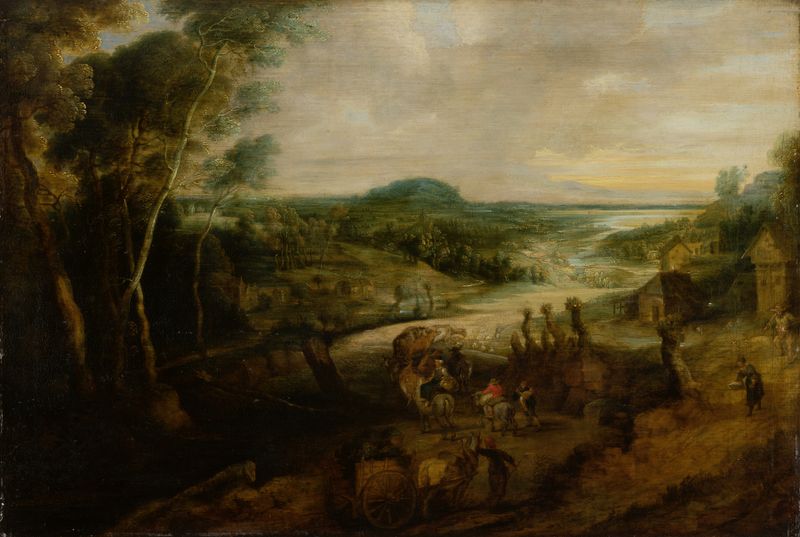
River Landscape with Peasants on the Way to Market
Lucas van Uden
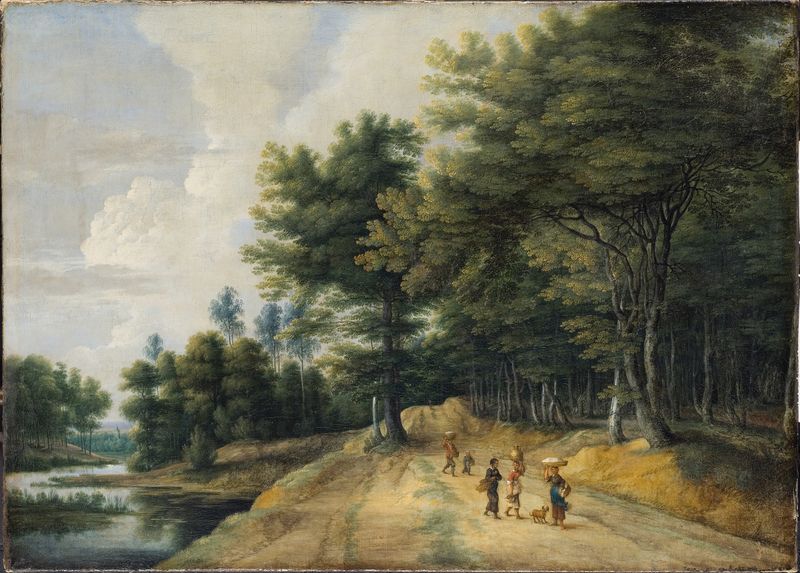
Landscape with a Road through a Wood of Beeches
Lucas van Uden
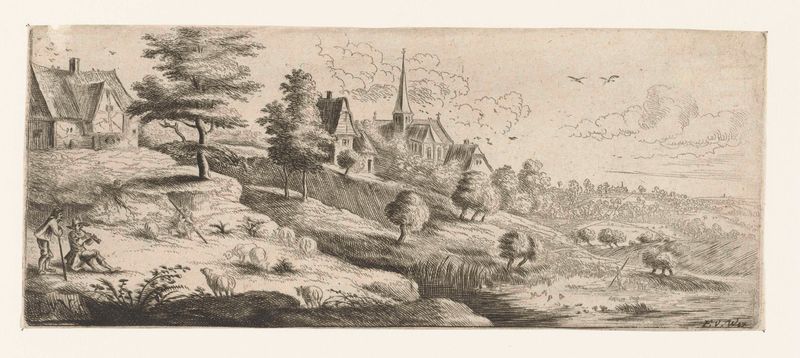
Landschap met een dorp en een schalmei spelende man
Lucas van Uden
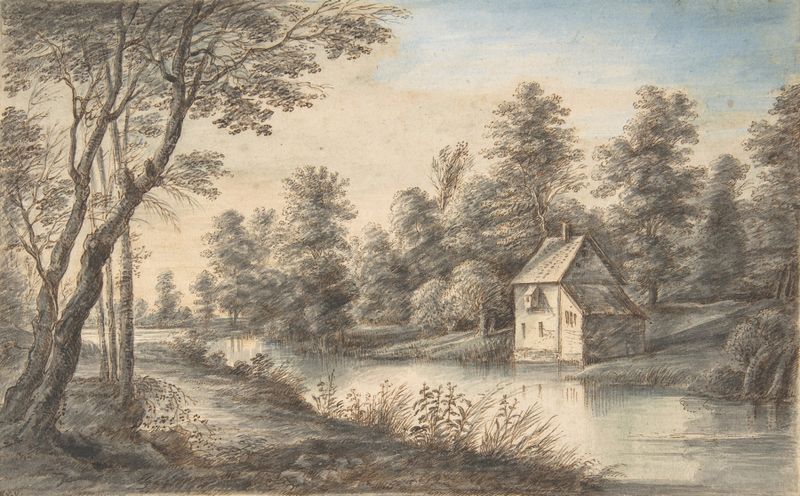
Wooded Landscape with a House beside a River
Lucas van Uden
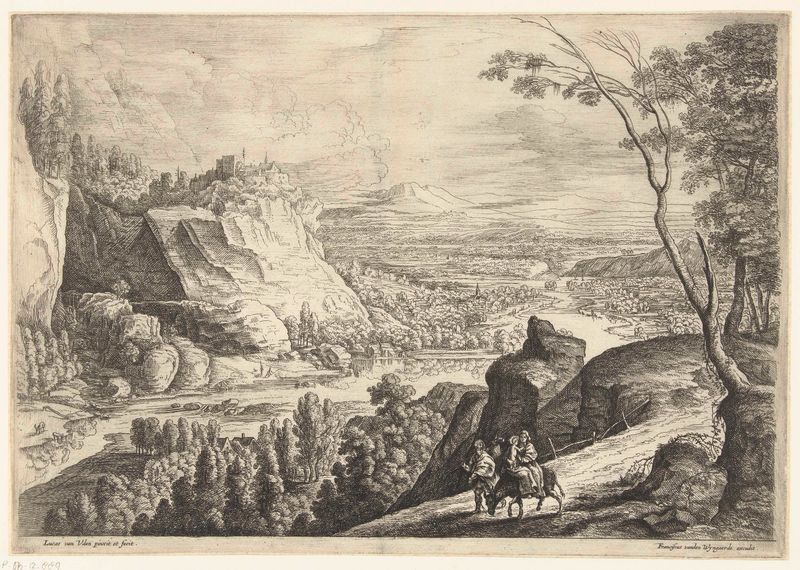
Landschap met de vlucht naar Egypte
Lucas van Uden
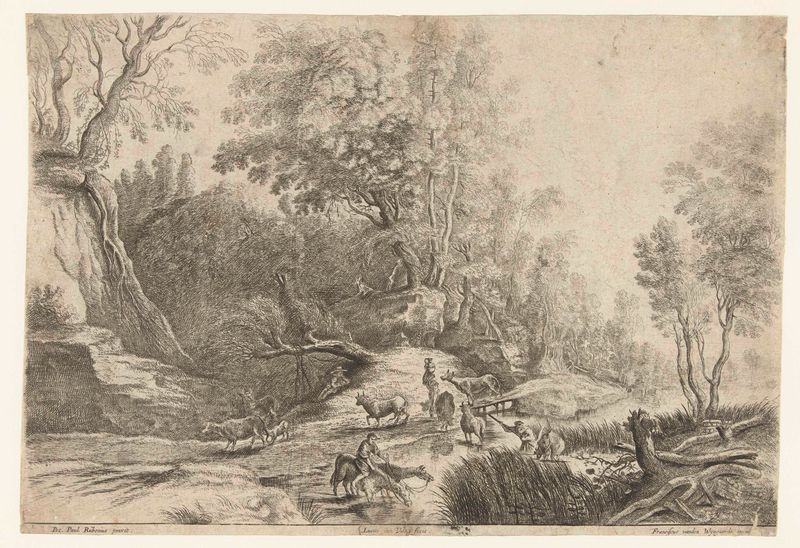
Paarden en koeien bij een drinkplaats
Lucas van Uden
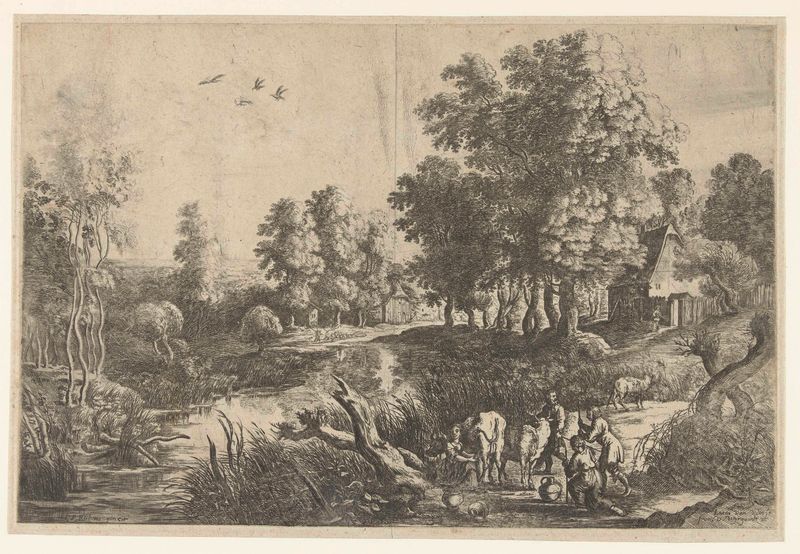
Boeren met vee bij een beek
Lucas van Uden
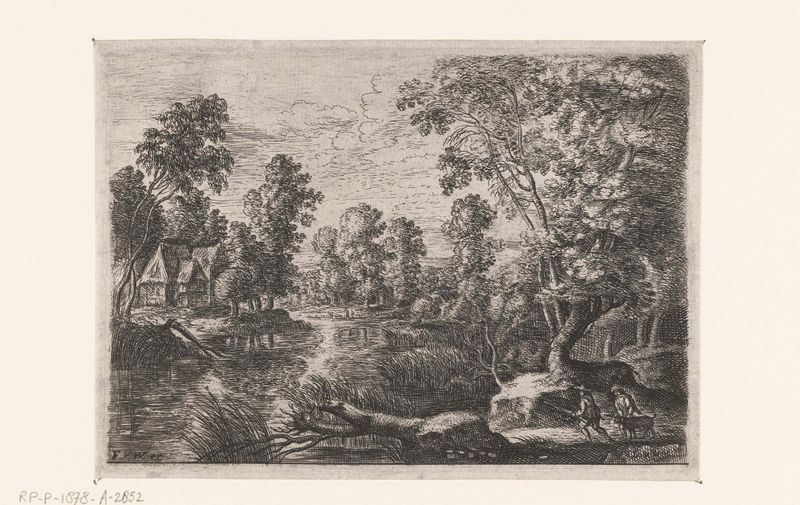
Landschap met een beek en een jager
Lucas van Uden
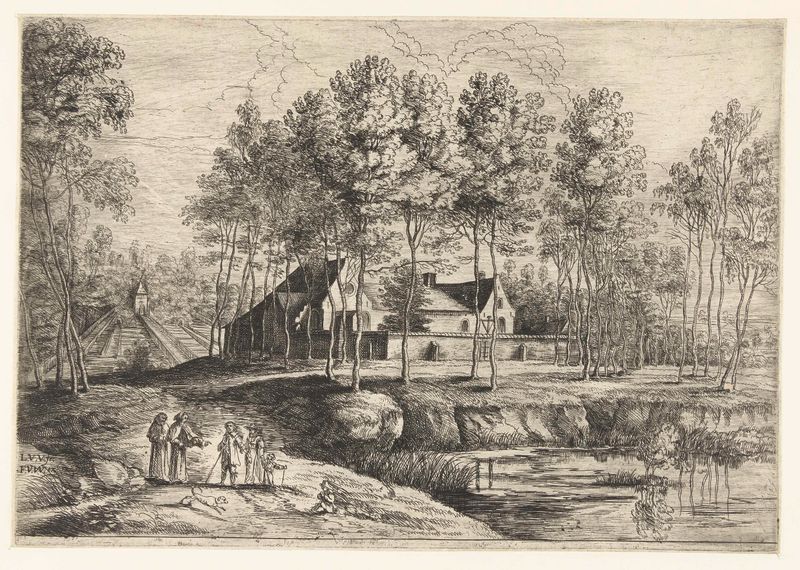
Gezicht op het kapucijnenklooster te Tervuren
Lucas van Uden





