Boslandschap met ruiter en vijver — History & Facts
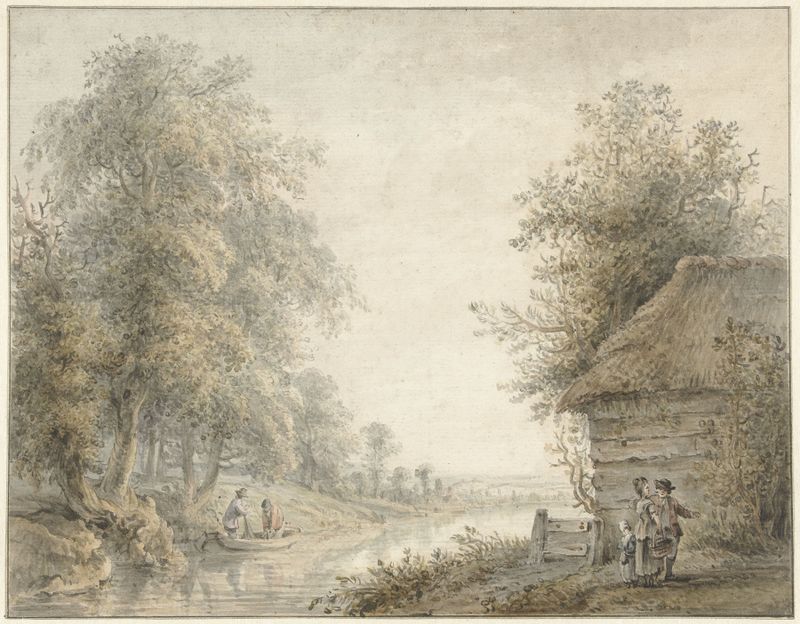
In the stillness of nature, serenity whispers secrets known only to the heart. It invites reflection and casts a gentle spell that lingers long after the gaze has shifted. Look to the foreground, where a solitary rider traverses a lush, green landscape. The horse’s steady gait contrasts with the tranquil expanse of the pond, which mirrors the soft, dappled light filtering through the surrounding trees.
Notice how Versteegen’s brushwork captures the delicate interplay of light and shadow, enhancing the sense of depth and inviting viewers to lose themselves within this pastoral haven. The muted palette, with its earthy greens and warm browns, underscores the harmony found in this idyllic scene. Beneath the surface of this serene depiction lies an emotional tension between solitude and connection. The rider, though seemingly at peace, is a poignant reminder of human existence within nature’s embrace — a fleeting presence in a timeless landscape.
The pond, a silent witness to life’s complexities, reflects not just the surroundings but invites contemplation about what lies beneath the still surface. This duality of solitude and introspection creates a deeper narrative, urging the viewer to recognize the personal and universal themes of isolation and serenity. Jacobus Versteegen painted Boslandschap met ruiter en vijver between 1745 and 1795, during a period characterized by a growing appreciation for landscapes in Dutch art. While the world shifted through the Enlightenment and the emergence of romantic ideals, Versteegen remained anchored in the tradition of capturing nature’s beauty, combining a detailed portrayal with a hint of emotional depth.
His work reflects a pivotal moment in art history, balancing the emerging romantic sensibility with his own unique perspective on the tranquility found in the natural world.