Brand in een dorp — History & Facts
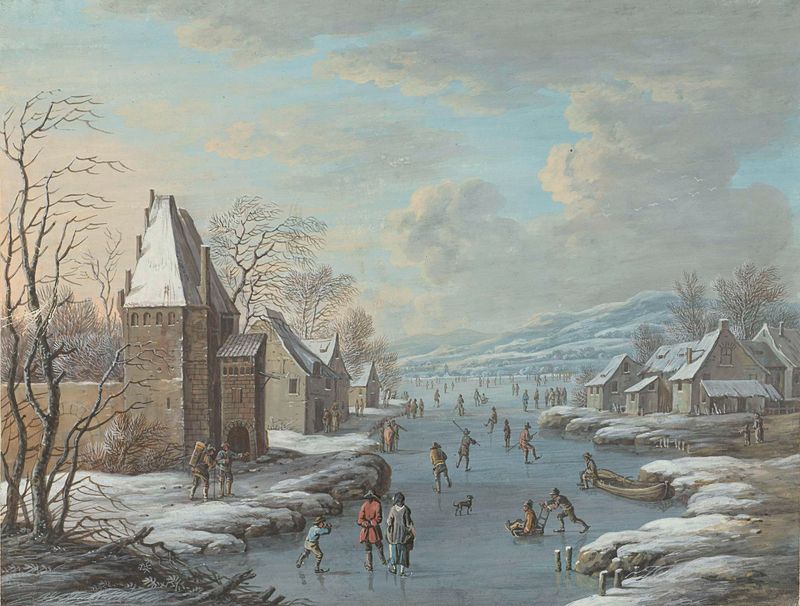
Who listens when art speaks of silence? In Brand in een dorp, the weight of loss and the passage of time echo through the muted colors and intricate details of the scene. The painting invites us to confront our own memories, urging a deeper reflection on the quiet sorrows that often go unnoticed. Look closely at the foreground where the charred remnants of the village home draw your attention. The desolate landscape is captured with somber earth tones and grays, while the flickering flames dance in hues of orange and yellow, stark against the dreary backdrop.
Notice how the artist delicately renders the textures of the burnt wood, contrasting the smoothness of the untouched areas beyond, creating a narrative of devastation and hope intertwined. In this quieter moment, small figures stand in the distance, their postures heavy with grief, embodying the emotional tension of the scene. Each character seems suspended in contemplation, mirroring the viewer’s own reflections on loss and survival. The contrast between the vibrant flames and the bleak surroundings serves as a metaphor for the fleeting nature of life and the indelible scars left by tragedy. During the years between 1677 and 1719, Barbara Regina Dietzsch was active in Nuremberg, a city grappling with its own artistic evolution amidst changing political landscapes.
As a woman in a male-dominated field, she often channeled her experiences into her work, exploring themes of nature and mortality. This piece, emerging from a time of personal and societal strife, stands as a poignant reminder of the fragility of existence.