Groenling — History & Facts
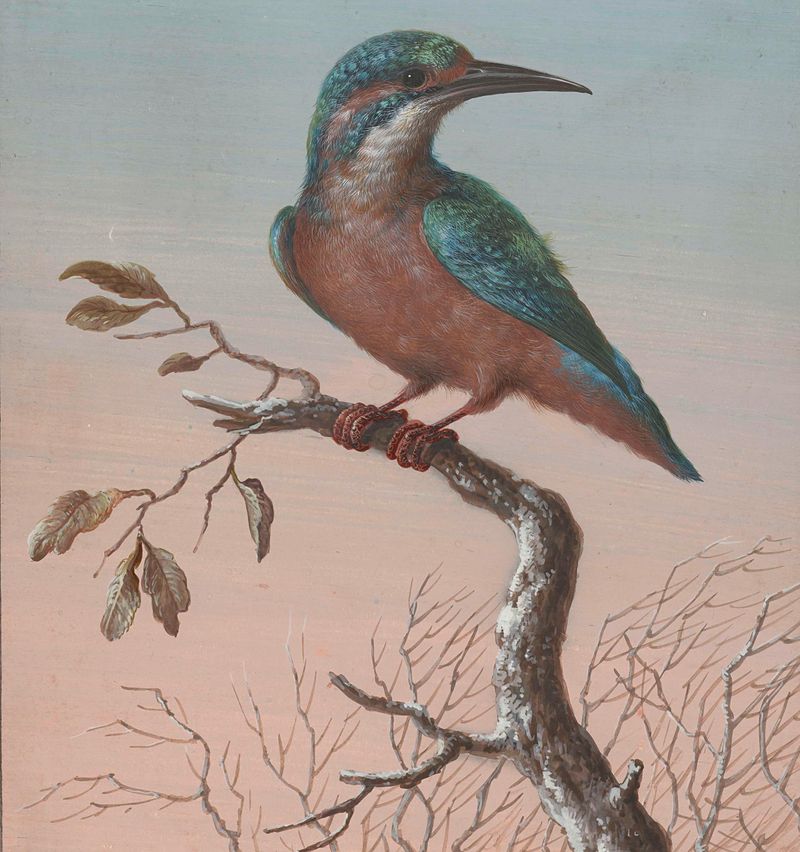
In Groenling, the transformation from nature’s wildness into art speaks to the delicate balance of beauty that can emerge from disorder. Here, the intricate details and vibrant colors invite us to contemplate the harmony inherent in the world around us. Focus on the exquisite plumes of the greenfinch, its feathers a cascade of emerald and gold. The meticulous brushstrokes capture not only the bird's iridescence but also the softness of its form, creating a lifelike presence that seems ready to take flight.
Notice how the background, rendered with subtle earthy tones, enhances the vibrancy of the creature, guiding your gaze to the center where it stands poised and enchanting. The painting juxtaposes fragility and strength, as the finch's delicate structure contrasts with the robust characteristics of its setting. Each feather, meticulously painted, evokes a sense of yearning for freedom, while the carefully arranged flora around it suggests a tranquil sanctuary. This interplay of elements highlights both the isolation and the beauty of the subject, compelling the viewer to reflect on the delicate balance of nature and artifice. Dietzsch painted Groenling during a time when the fascination with natural history flourished in Europe, particularly in the realm of still life.
Active in the 18th century, she was part of a movement that celebrated botanical and zoological subjects, often capturing the intricate details of birds and plants. Her work reflects both a personal passion for observation and the broader artistic currents that sought to document the natural world with precision and grace.