
Brothers #1 — History & Facts
Two great golden forms rise like origami wings against a twilight sky, their sharp edges and mirrored symmetry holding the viewer’s gaze in a moment of quiet tension. The geometry is deliberate, almost architectural, yet the shapes resist easy naming: are they sails, rooftops, or the abstracted profiles of two figures locked in silent conversation? Below, a band of violet water ripples against a blocky ochre structure, its arches hinting at bridges or gateways. The palette is both somber and luminous, with deep blues and browns lending gravity to the radiant yellows above.
Every shape seems to lean toward its neighbor, creating a sense of kinship and mutual support that echoes the work’s title. Brothers #1 was painted in 1941, a year when American artists were searching for new ways to express inner realities through abstraction. Arthur Dove, often called one of the first American abstract painters, worked in a period when the boundaries between landscape, still life, and pure abstraction were dissolving. Paintings like this emerged from a world in flux—modernist artists in the United States were inspired by European avant-garde movements but determined to forge a distinctly American voice.
The Honolulu Museum of Art now houses this work, a testament to the enduring appeal of Dove’s vision. Let your eye wander the meeting lines in the painting, and consider how abstraction can hold a story just as tightly as any portrait or landscape.
More Artworks by Arthur Dove
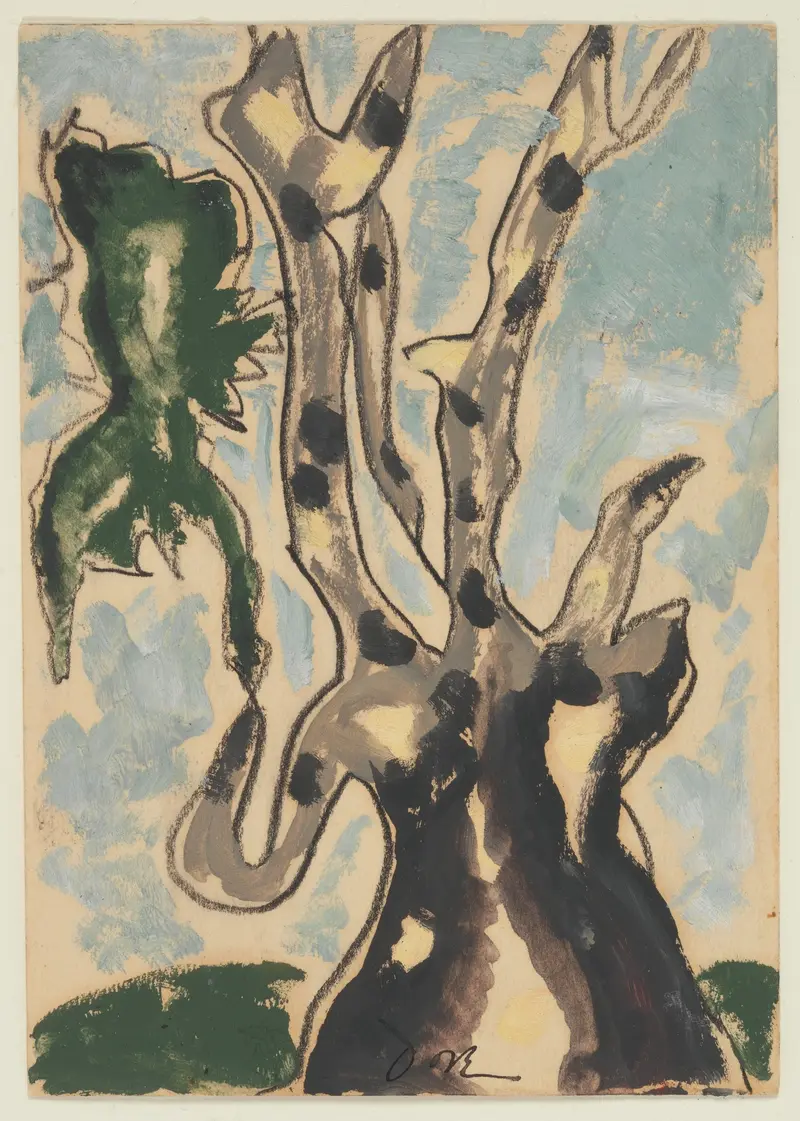
Sycamore
Arthur Dove

Out the Window
Arthur Dove
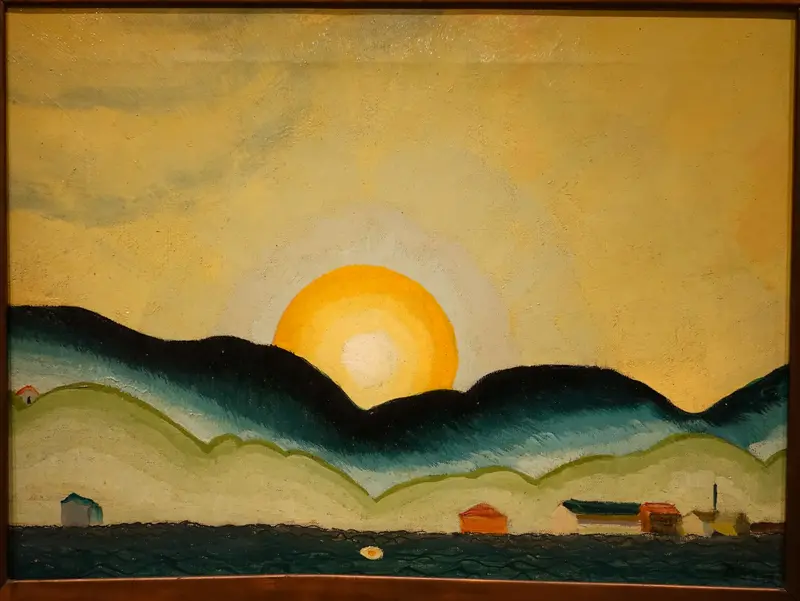
Northport Harbor
Arthur Dove

George Gershwin–‘Rhapsody in Blue,’ Part I
Arthur Dove
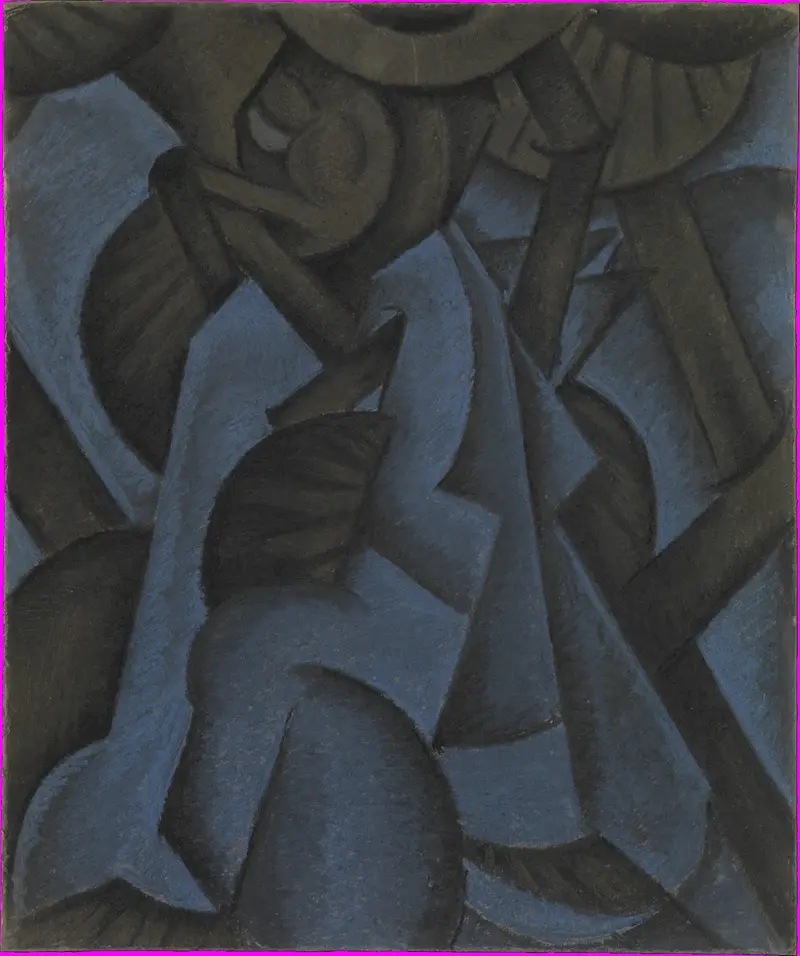
Pagan Philosophy
Arthur Dove
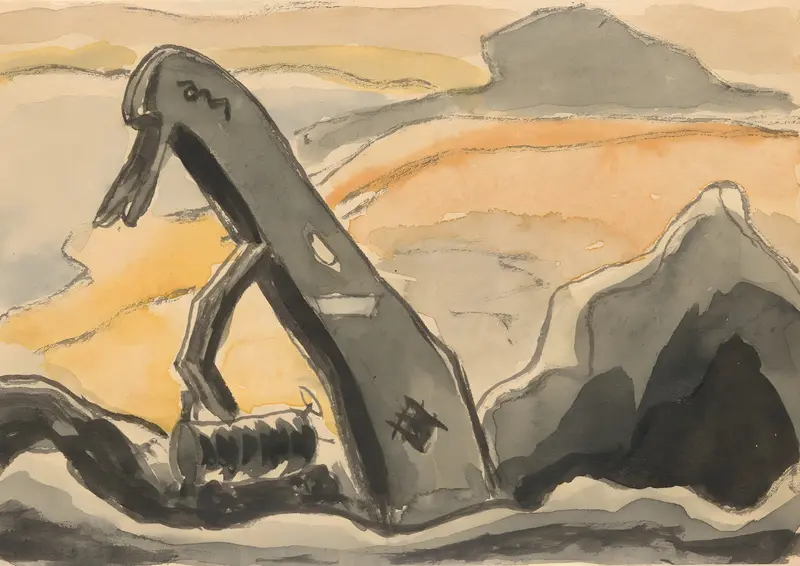
Steam Shovel–Port Washington
Arthur Dove
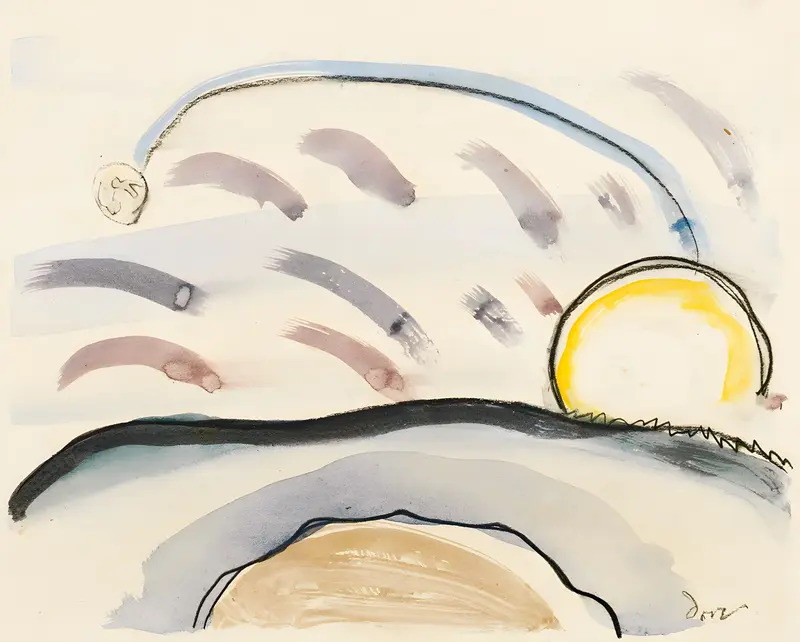
Study for ‘Sun and Moon’
Arthur Dove
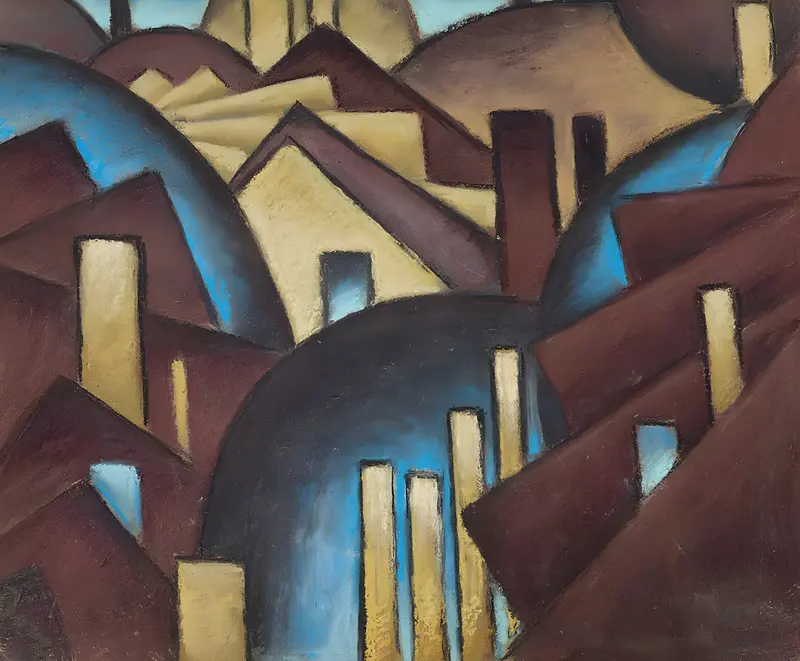
Nature Symbolized No. 1 (Roofs)
Arthur Dove
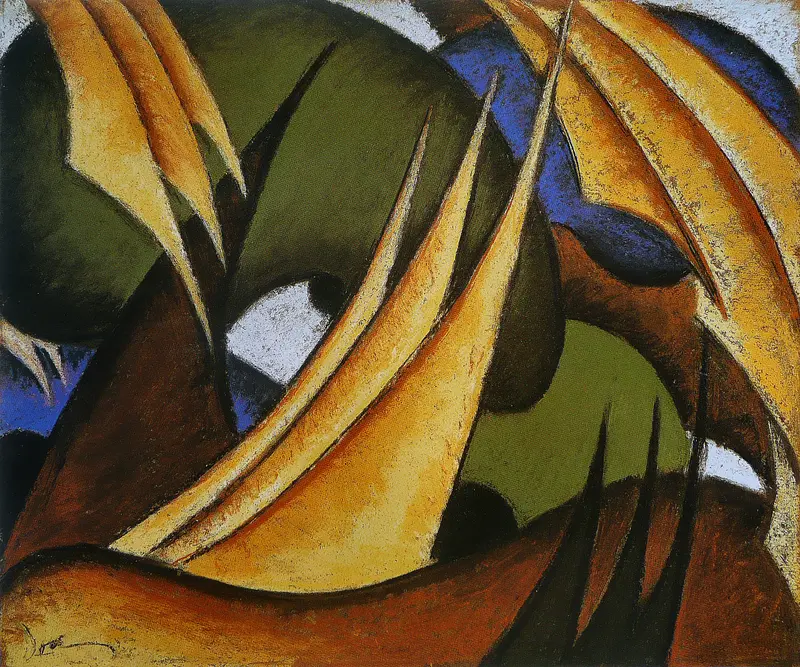
Sails
Arthur Dove
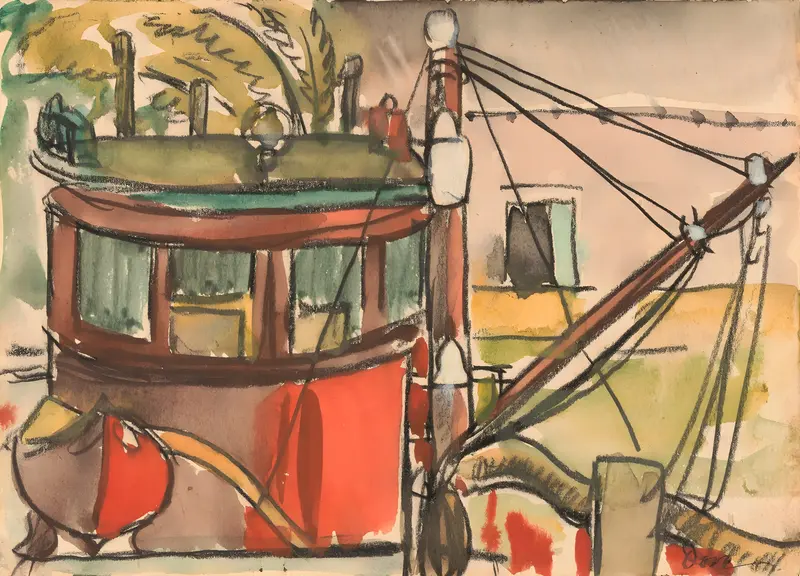
Oil Tanker II
Arthur Dove





