Brotherswater — History & Facts
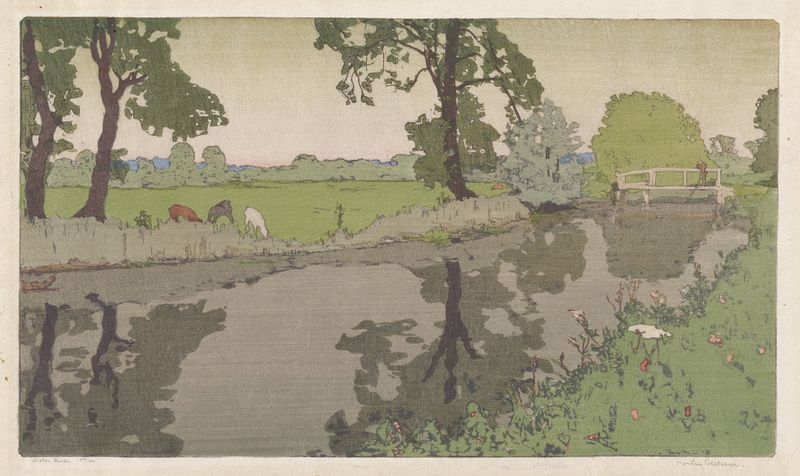
What secret hides in the quiet of the canvas? In the stillness of Brotherswater, the tranquility belies an undercurrent of turmoil, as nature’s beauty often conceals deeper struggles beneath its serene façade. Look to the left at the shimmering waters, a mirror of muted greens and deep blues, reflecting the brooding sky above. The gentle ripples disrupt the calm, inviting the viewer to consider the tension between peace and chaos. Notice how the rugged hills frame the scene, with jagged edges that evoke a sense of disquiet, while the soft, diffused light casts a pallor over the landscape, suggesting an impending storm or hidden conflict. The contrasts within the painting speak volumes — the placid surface of the water juxtaposed with the fierce contours of the mountains creates a dialogue between serenity and violence.
The soothing hues serve to mask the sharpness of the land, leading one to ponder the inherent struggle in nature and human experience. Each stroke of paint captures not just the landscape, but an emotional resonance that hints at the stories untold beneath the surface. In 1900, Frank Morley Fletcher was immersed in the English landscape tradition, painting in the Lake District, where he found inspiration in the local scenery. During this time, the art world was experiencing a shift towards impressionism and a growing appreciation for the interplay of light and color.
This context informed his work, as he sought to bridge traditional representation with the emotional depth of the natural world, creating a poignant reflection on the dualities of existence.