
Brug bij een ruïne — History & Facts
In its silent vigil, it holds nostalgia and loss, echoing the grief brushed into every stroke. The viewer stands before this artwork, feeling the weight of memories that time has delicately weathered, yet preserved. Focus on the bridge anchored in the foreground, its stones worn smooth by countless footsteps. Notice how the muted colors of the landscape seem to reflect a world in twilight — a dimming light that hints at the passage of years.
The juxtaposition of the sturdy bridge against the crumbling ruins in the background draws attention to the transient nature of all things. The artist’s careful play of shadows emphasizes the depth of emotion embedded within this seemingly peaceful scene. In the subtle details, there lies a poignant tension. The bridge symbolizes connection and continuity, while the dilapidated ruins stand as a testament to loss and decay.
Together, they create a dialogue of memory and absence, inviting contemplation on what once was. The viewer feels an ache for the stories untold, the lives once lived, and the echoes of laughter that no longer fill the air. Created between 1650 and 1738, this piece emerges from an era marked by both optimism and melancholy in art. The artist, whose identity remains a mystery, painted during a time of shifting societal values, with the burgeoning interest in landscapes reflecting deeper emotional truths.
As the world around them changed, this work captures a lingering sense of grief, a reflection on the impermanence of life and the memories that endure.
More Artworks by Unknown Artist
Browse all →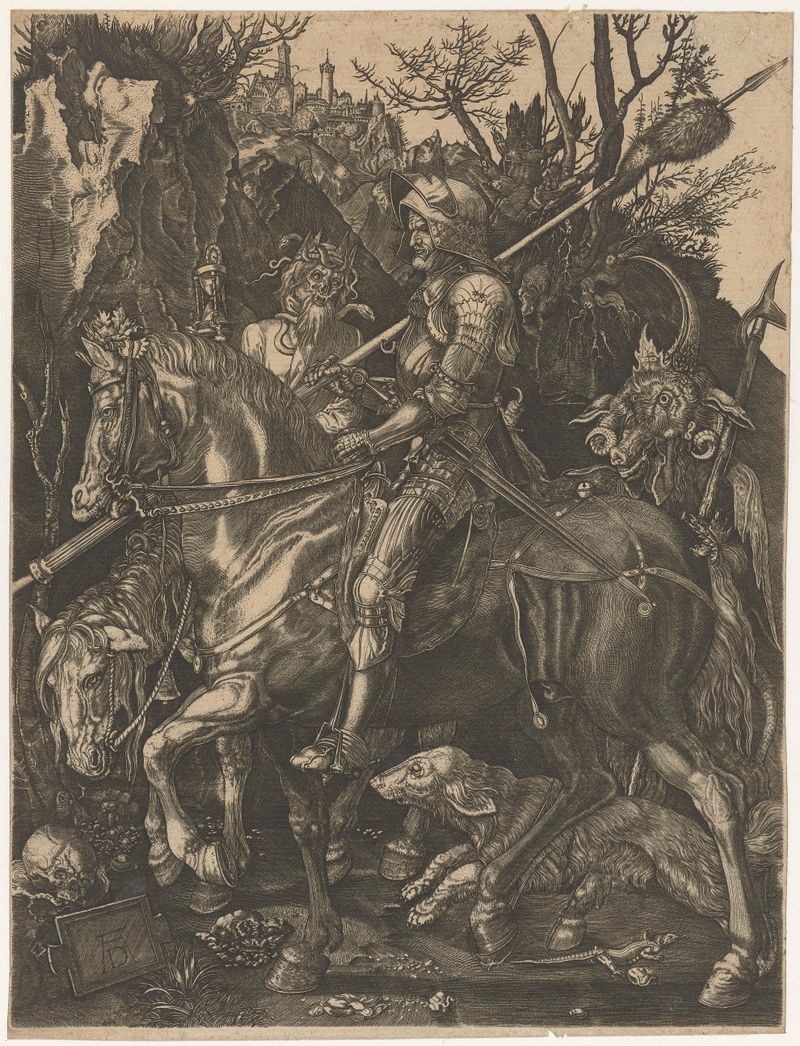
Ridder, Dood en Duivel
Unknown Artist
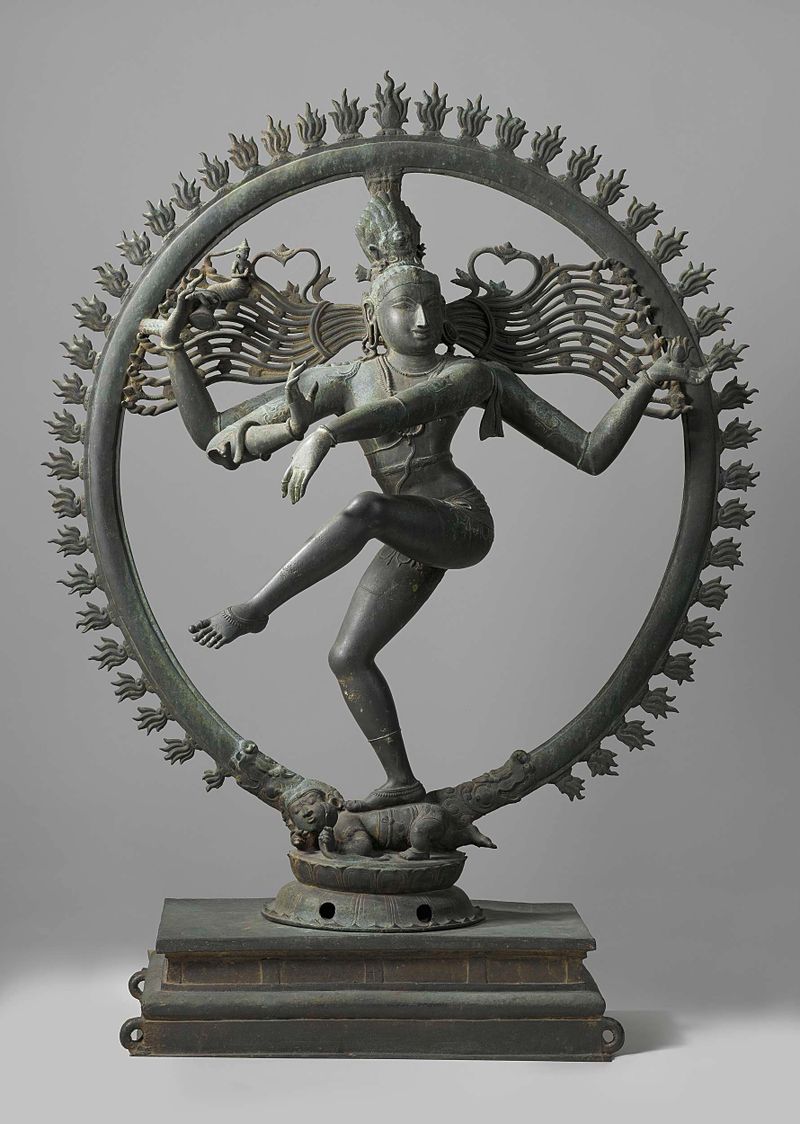
Shiva Nataraja
Unknown Artist

Portrait of Elizabeth I, Queen of England
Unknown Artist
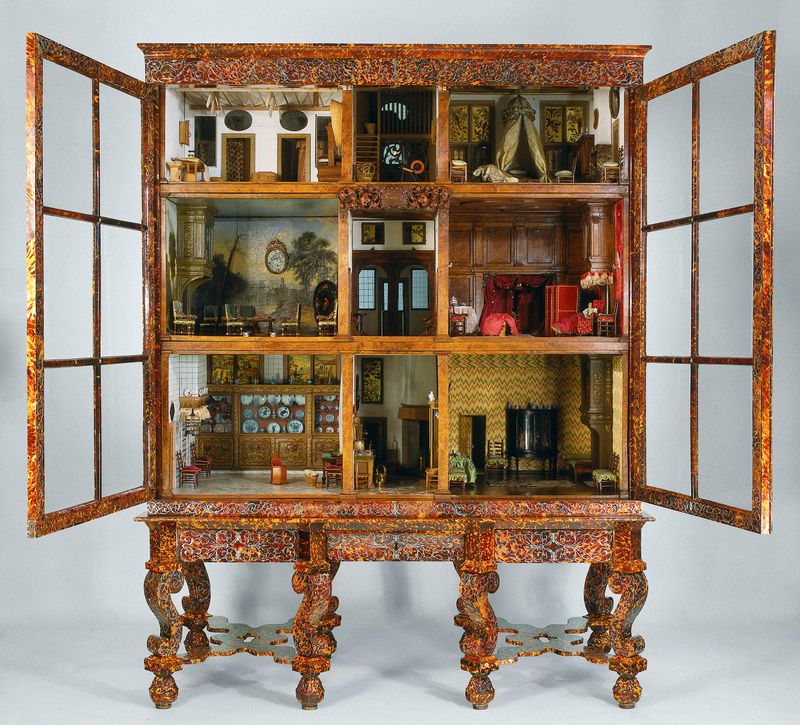
Dolls’ house of Petronella Oortman
Unknown Artist
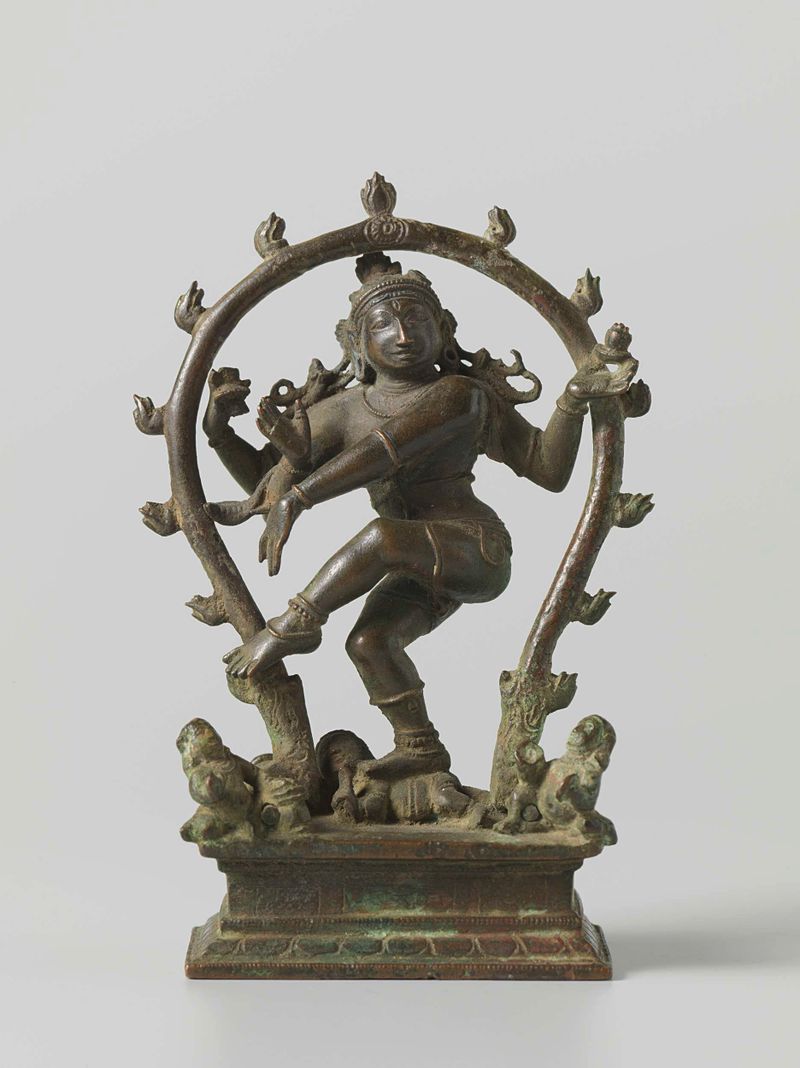
Shiva Nataraja
Unknown Artist

The Tale of Genji
Unknown Artist

The Tale of Genji
Unknown Artist
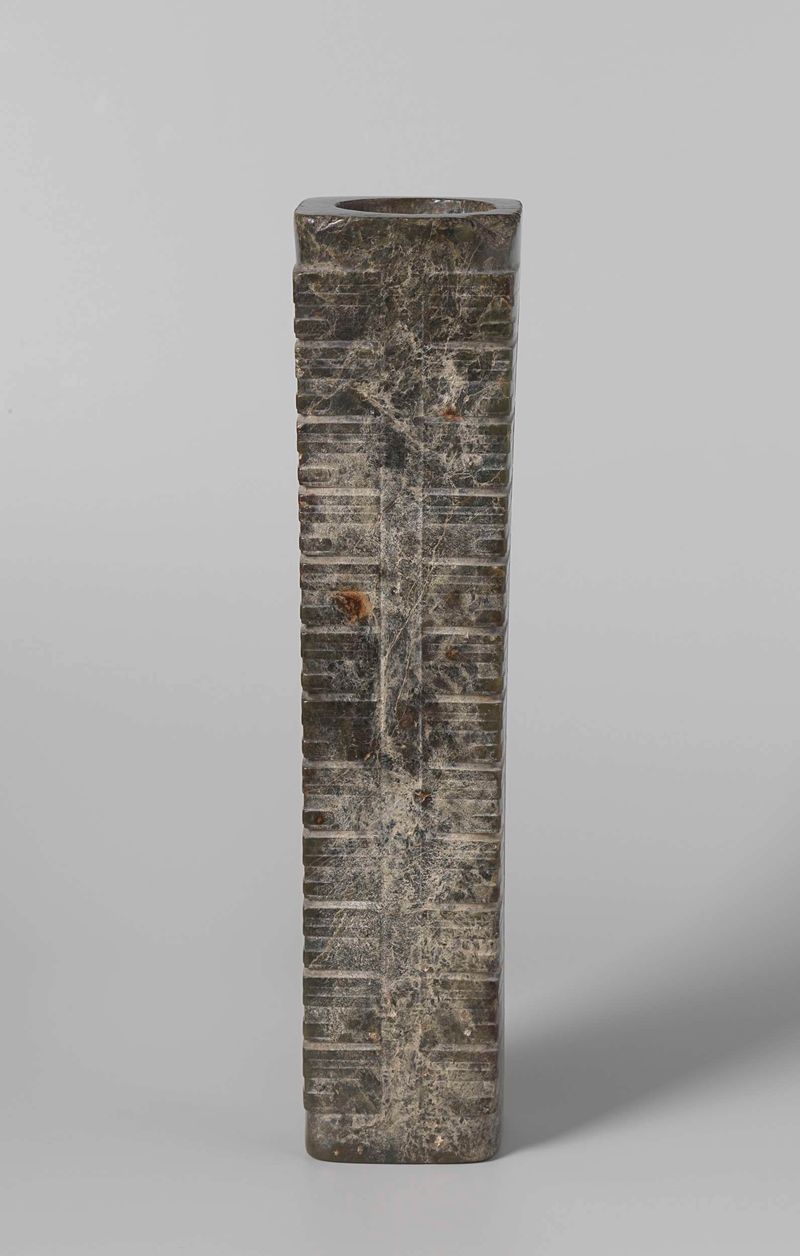
Cong
Unknown Artist
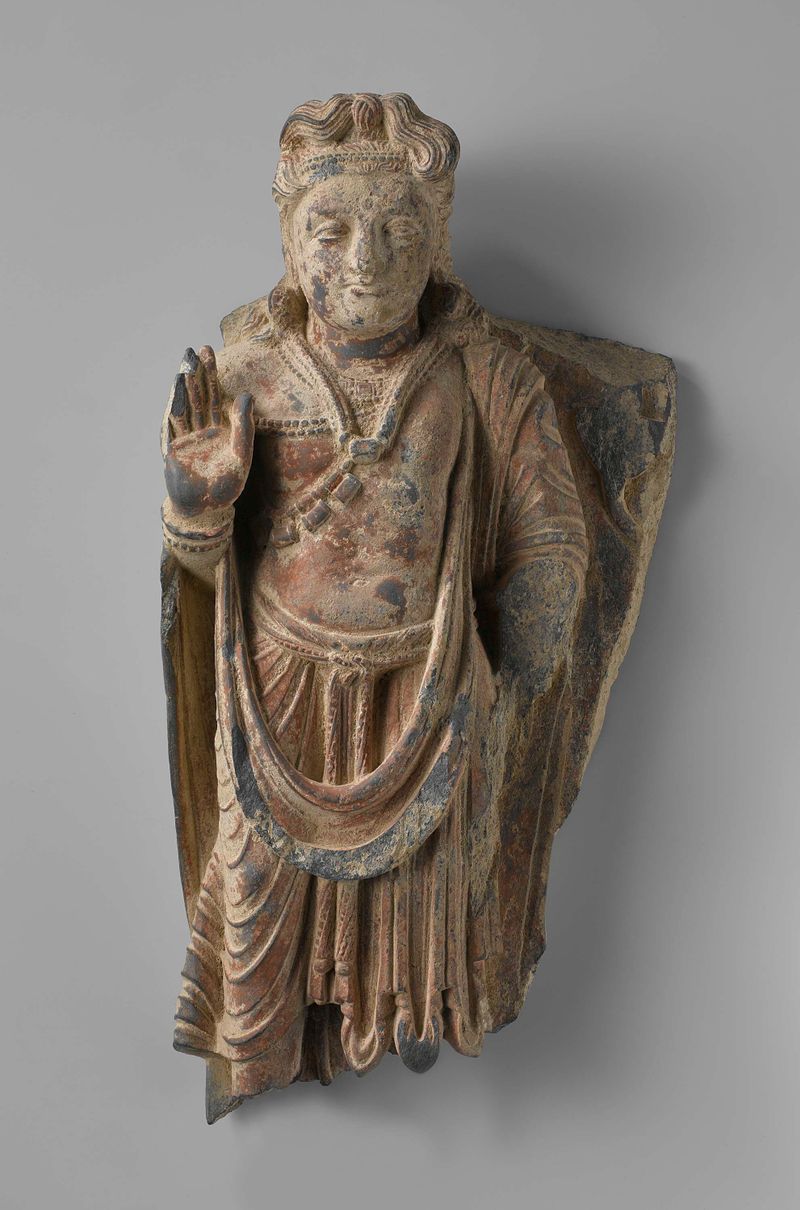
The bodhisattva Maitreya
Unknown Artist
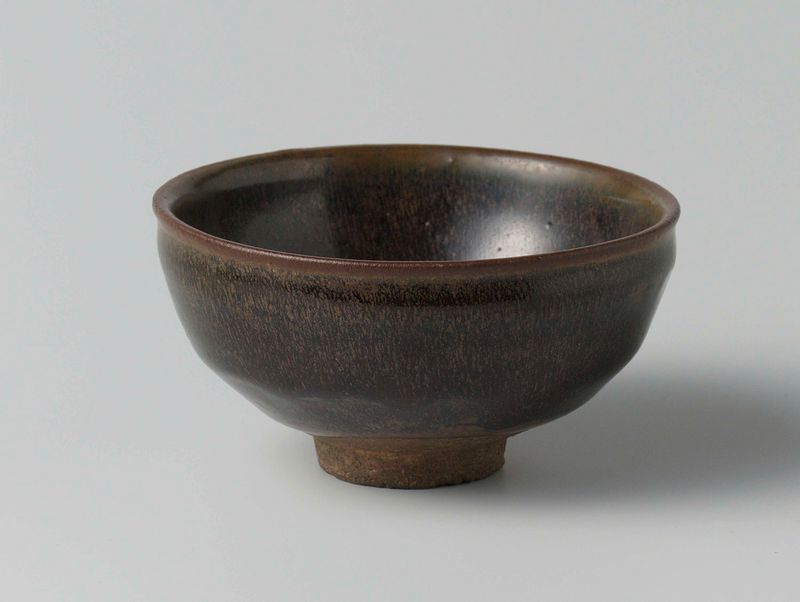
Teabowl with a 'hare's fur' glaze
Unknown Artist





