
Brug over de Sambre te Namen — History & Facts
In the stillness of a moment captured in time, longing threads through the air, whispering secrets of what once was and what could have been. The delicate balance between beauty and melancholy resonates deeply within the brushstrokes. Look to the left at the bridge, its arching structure seamlessly connecting the banks of the Sambre River. The sunlight dances on the water's surface, creating a shimmering pathway that beckons the viewer to embark on a journey.
Notice how the painter employs soft hues of blue and gold to evoke a sense of calm, while the textured clouds hint at an impending change, contrasting tranquility with the anticipation of the unknown. As you delve deeper, observe the figures on the bridge—perhaps a moment of reunion or farewell. Their postures and expressions speak volumes of the yearning woven into the scene. The way the light touches their forms reveals not just their physical presence but also the emotional landscape they inhabit, a reminder of the fragility of human connections and the weight of unspoken words. Pieter van Loon created Brug over de Sambre te Namen in 1861, during a period of artistic exploration and personal reflection.
Living in Belgium, he was influenced by the Romantic movement, which sought to emphasize emotion and nature. The work emerged at a time when artists were increasingly engaging with the subtleties of light and atmosphere, employing innovative techniques to evoke complex feelings within simple landscapes.
More Artworks by Pieter van Loon
Browse all →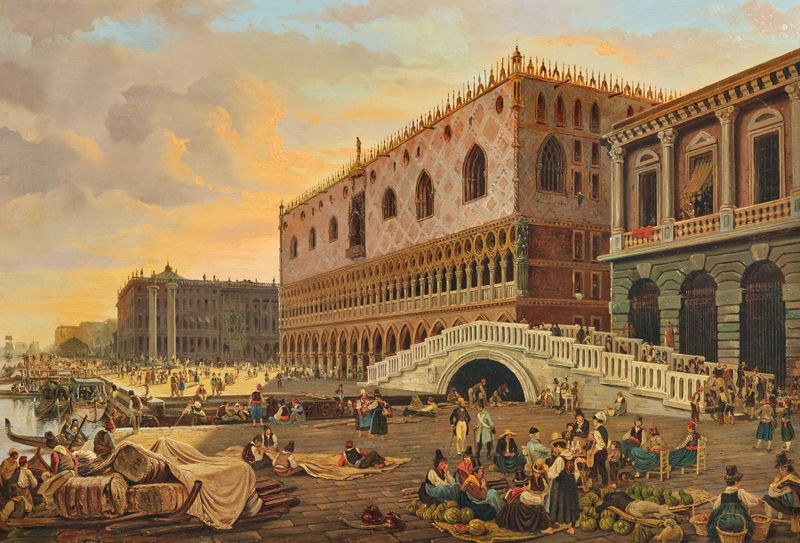
Venice, Ponte della Paglia with the Doge’s Palace
Pieter van Loon
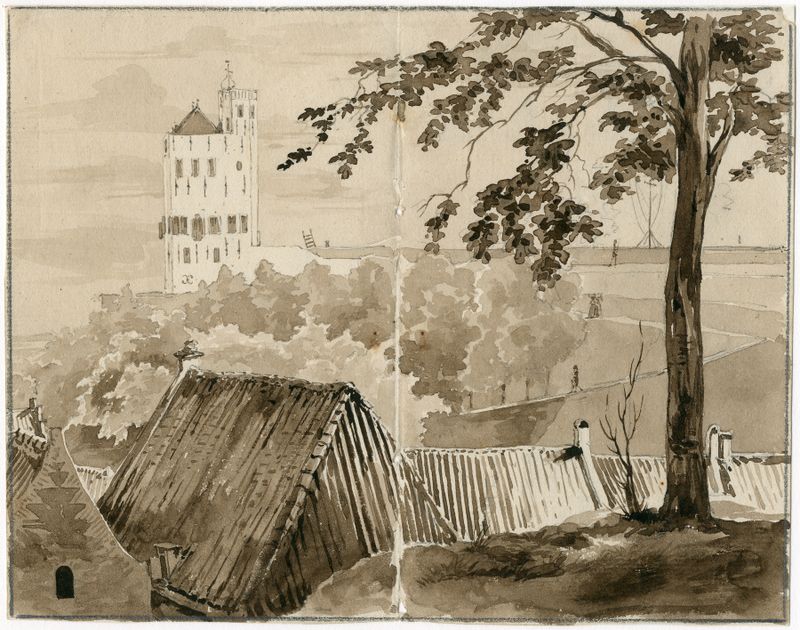
Gezicht op kasteel over daken heen
Pieter van Loon
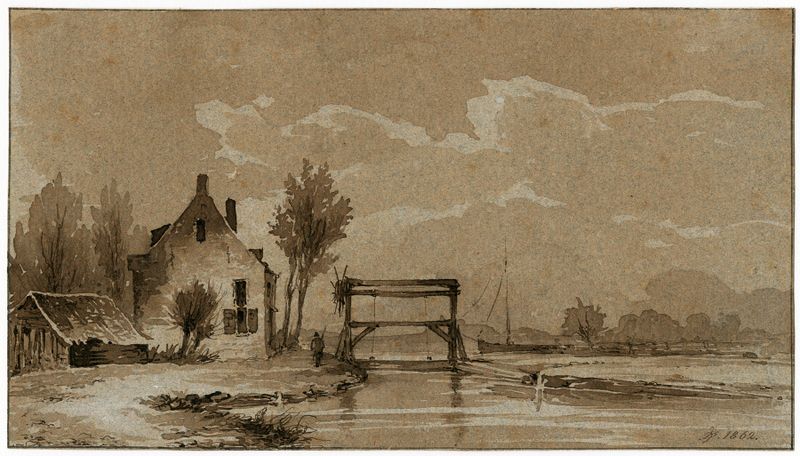
Huis bij een overtoom in een riviertje
Pieter van Loon
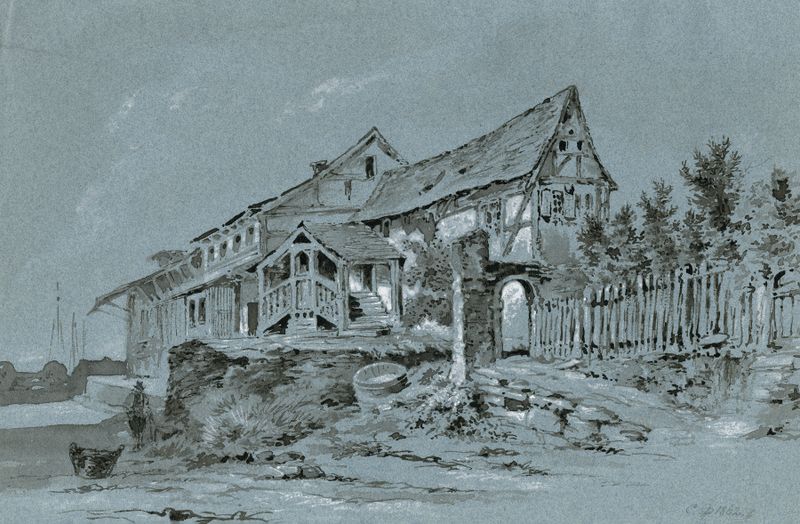
Buitenhuis aan een rivier
Pieter van Loon
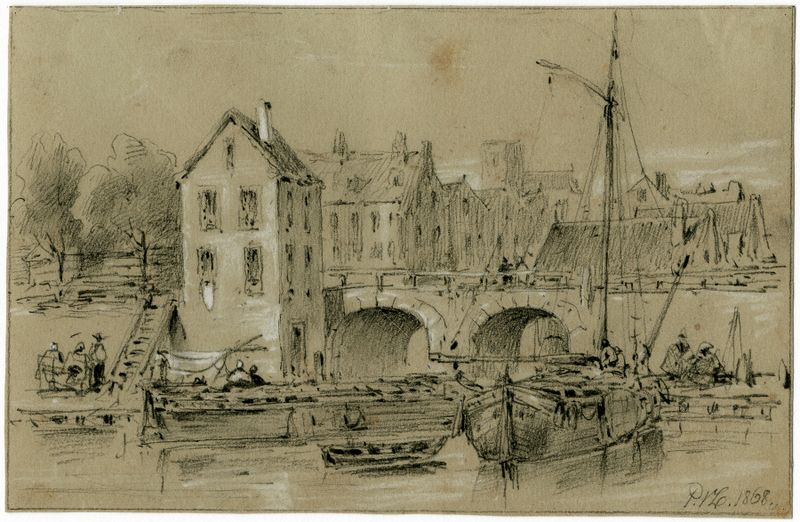
Schepen aangemeerd aan de kade in stad bij boogbrug
Pieter van Loon

Dudlow Castle
Pieter van Loon
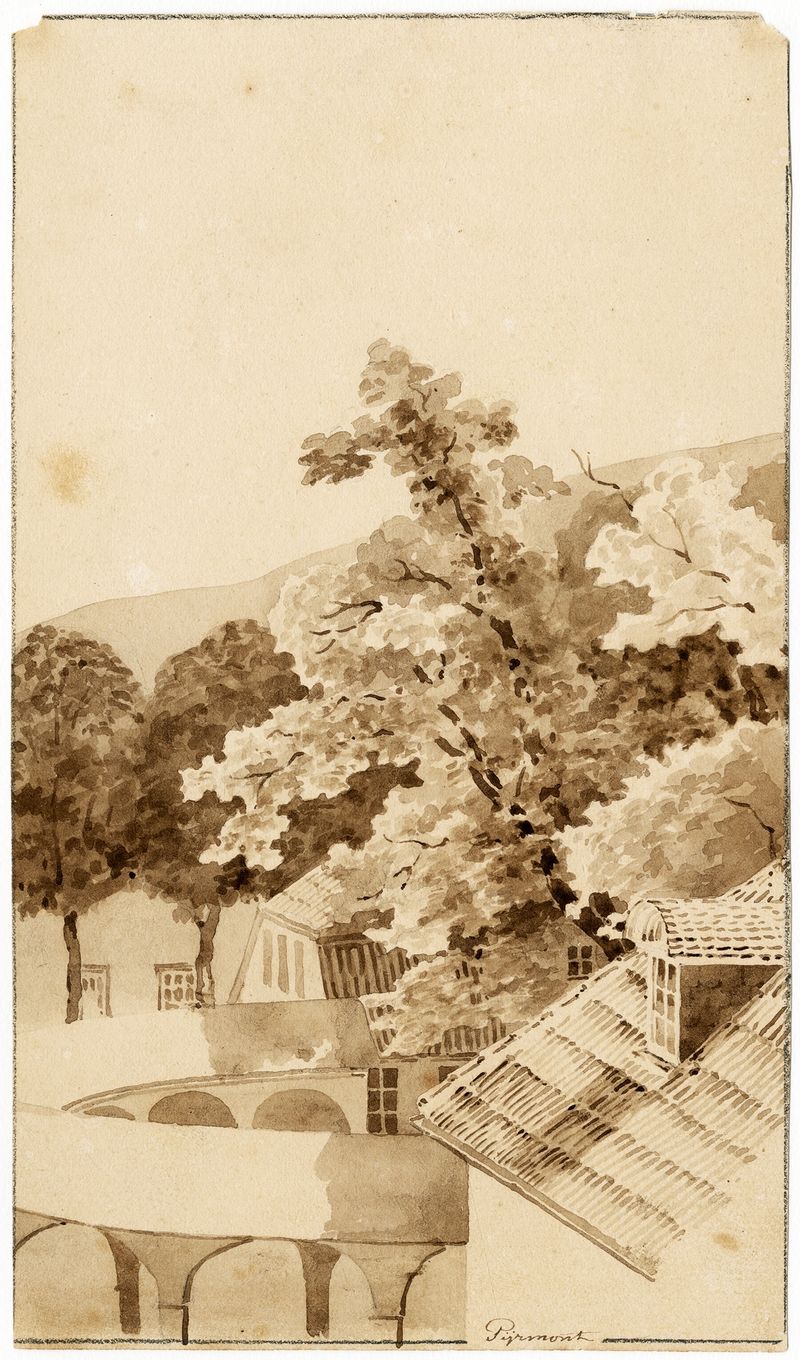
Gezicht te Pyrmont
Pieter van Loon
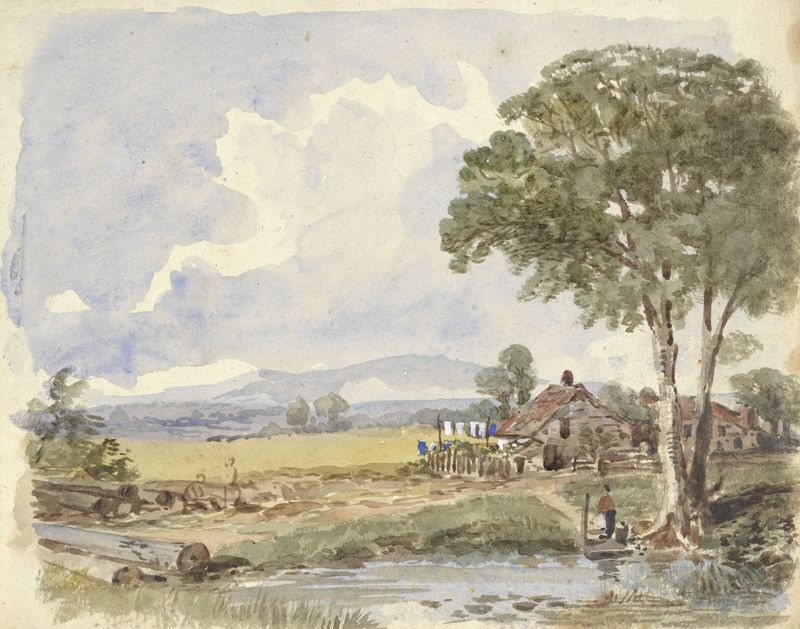
Landschap met boerderij
Pieter van Loon
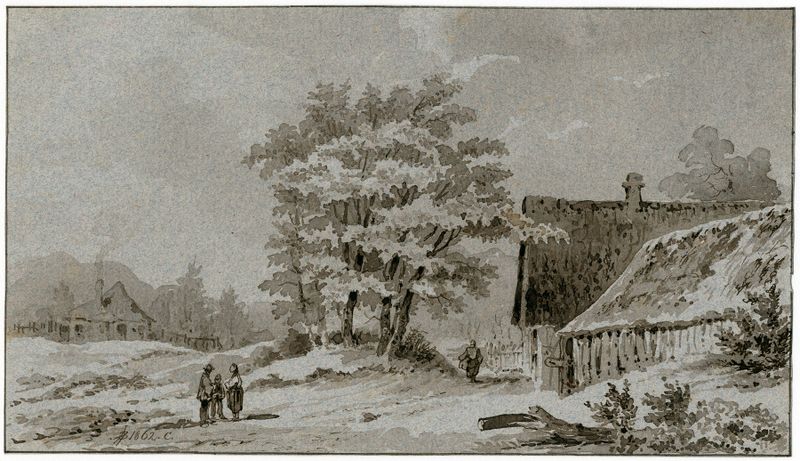
Enkele huizen in de duinen
Pieter van Loon

Riviergezicht in parklandschap
Pieter van Loon





