
Dudlow Castle — History & Facts
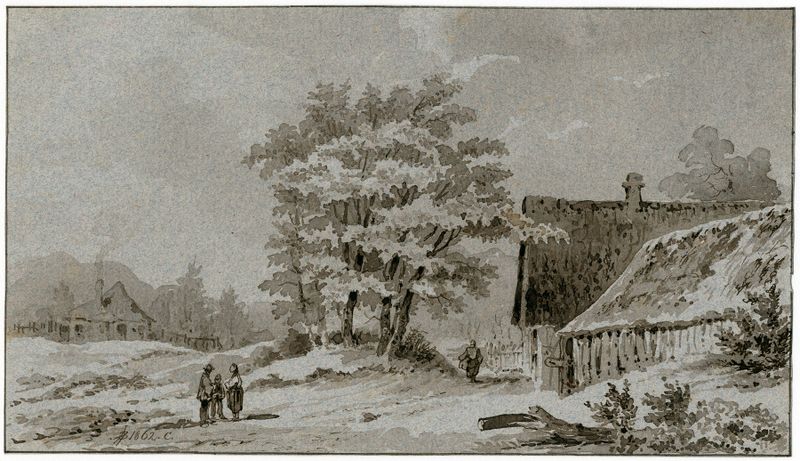
Where does light end, and longing begin? In the embrace of decay, we find whispers of history and echoes of forgotten stories. Look to the left at the crumbling stone walls, their rough textures softened by a warm, golden light that spills across the canvas. Notice how the gentle illumination highlights the ivy creeping up the castle's façade, blending life and ruins in a delicate dance. The muted palette of earthy browns and greens interplays beautifully, creating a sense of melancholy that invites you to wander the remnants of the past, each brushstroke a testament to time’s passage. As you explore further, consider the stark contrast between the robust structure of the castle and the delicate foliage enveloping it.
This juxtaposition speaks to the relentless march of nature against human ambition, suggesting both beauty and fragility. The distant horizon, bathed in an ethereal glow, hints at the promise of new beginnings while simultaneously reminding us of inevitable decay—the castle stands strong, yet vulnerable, a poignant metaphor for the lives that once thrived within its walls. In 1858, Pieter van Loon painted this evocative piece while living in the Netherlands, a period marked by a growing interest in Romanticism and the sublime. Artists were beginning to explore themes of nostalgia, memory, and nature, often reflecting on the transience of existence.
The world around him was shifting, as industrialization encroached upon landscapes once untouched, prompting a longing for the past amidst modern change.
More Artworks by Pieter van Loon
Browse all →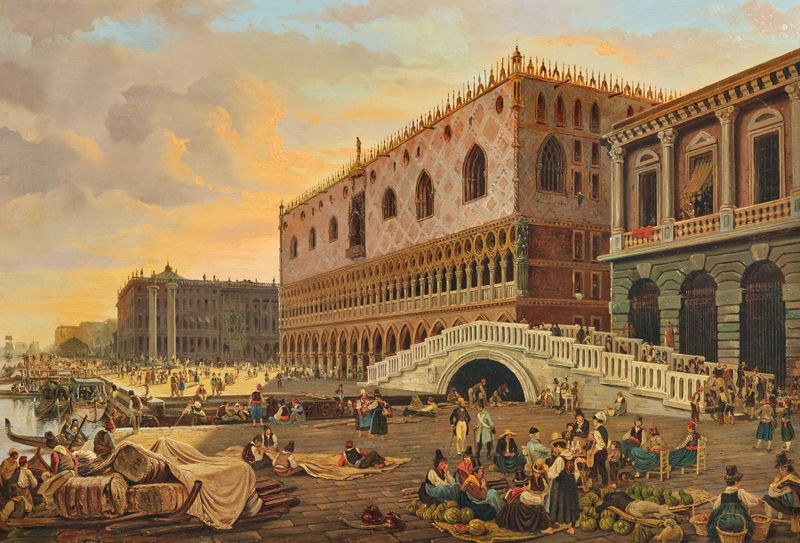
Venice, Ponte della Paglia with the Doge’s Palace
Pieter van Loon
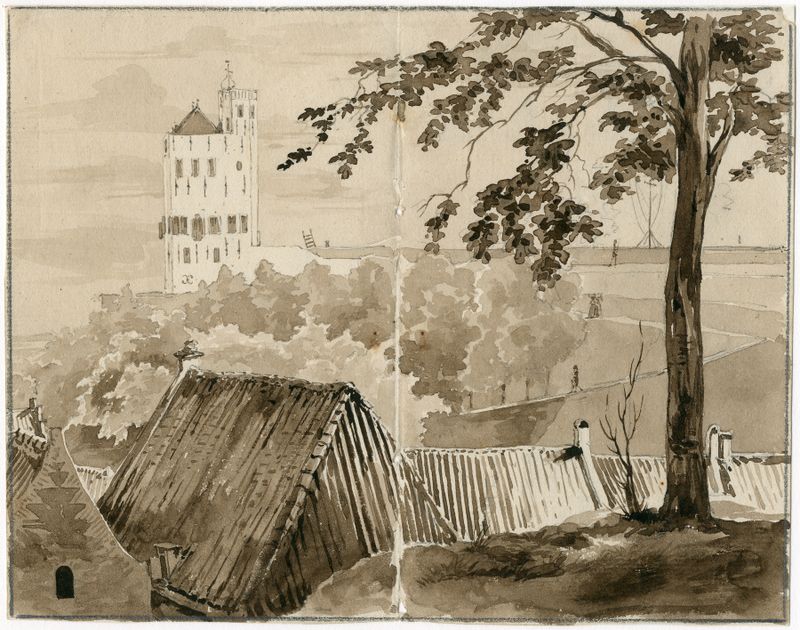
Gezicht op kasteel over daken heen
Pieter van Loon
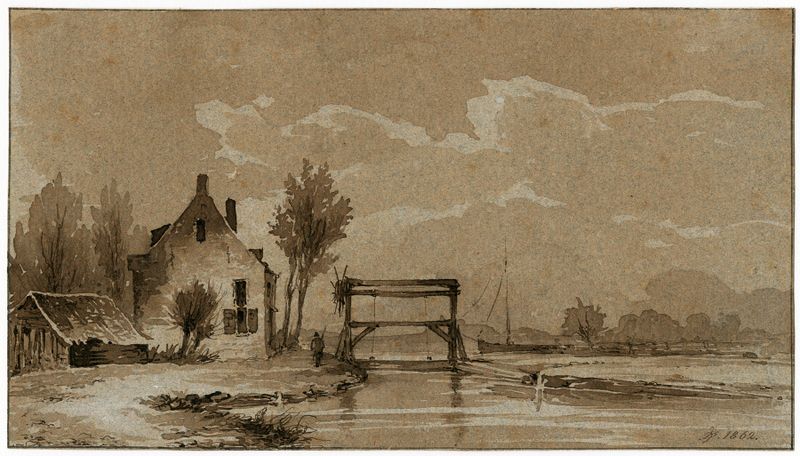
Huis bij een overtoom in een riviertje
Pieter van Loon
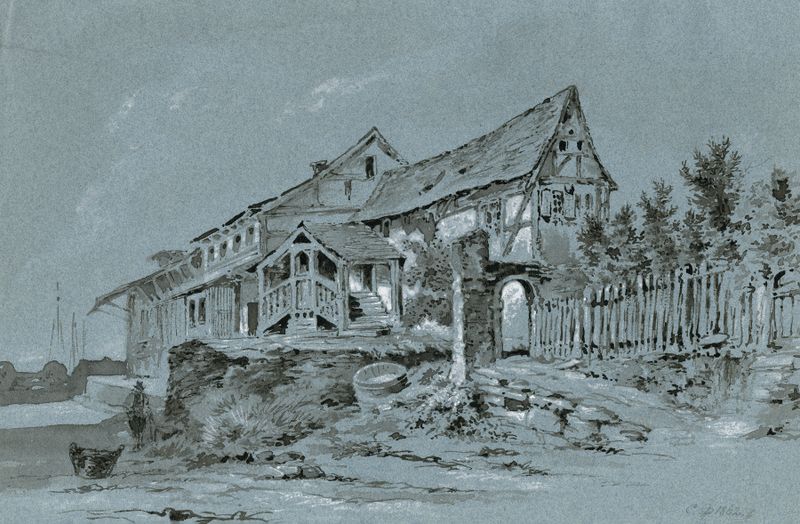
Buitenhuis aan een rivier
Pieter van Loon
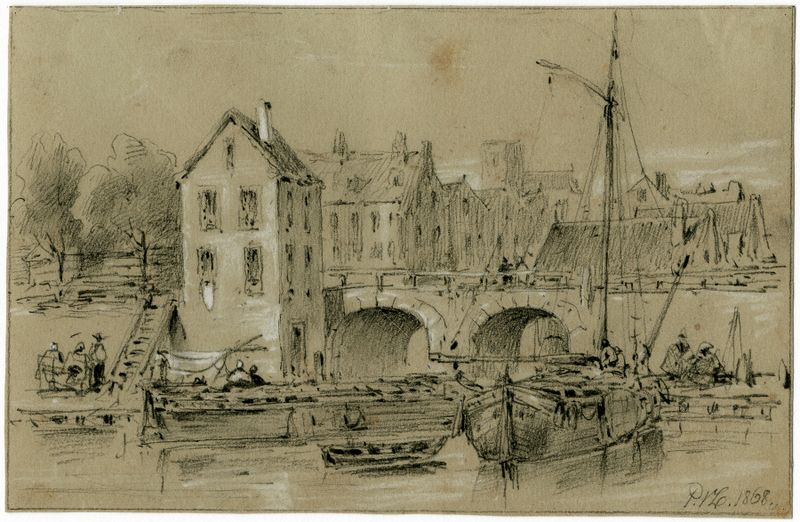
Schepen aangemeerd aan de kade in stad bij boogbrug
Pieter van Loon
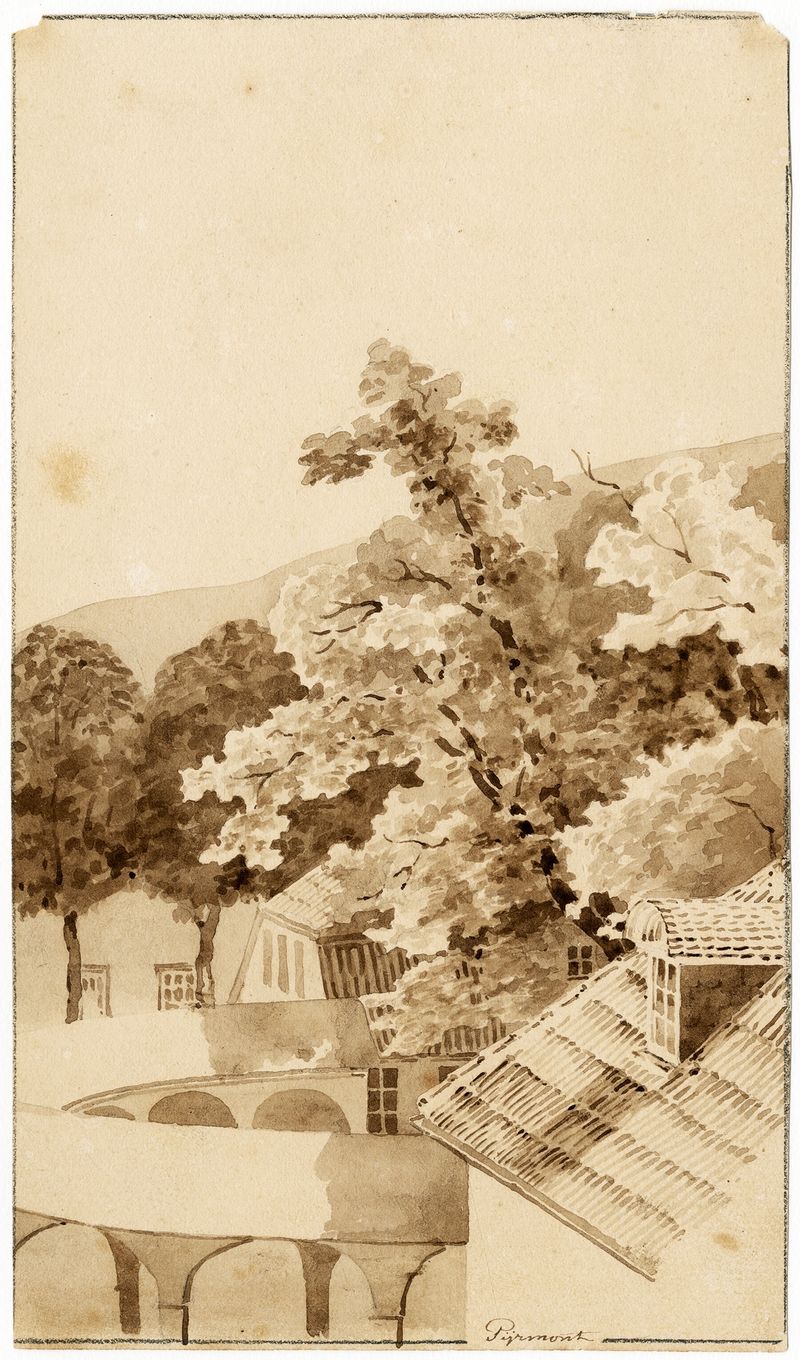
Gezicht te Pyrmont
Pieter van Loon
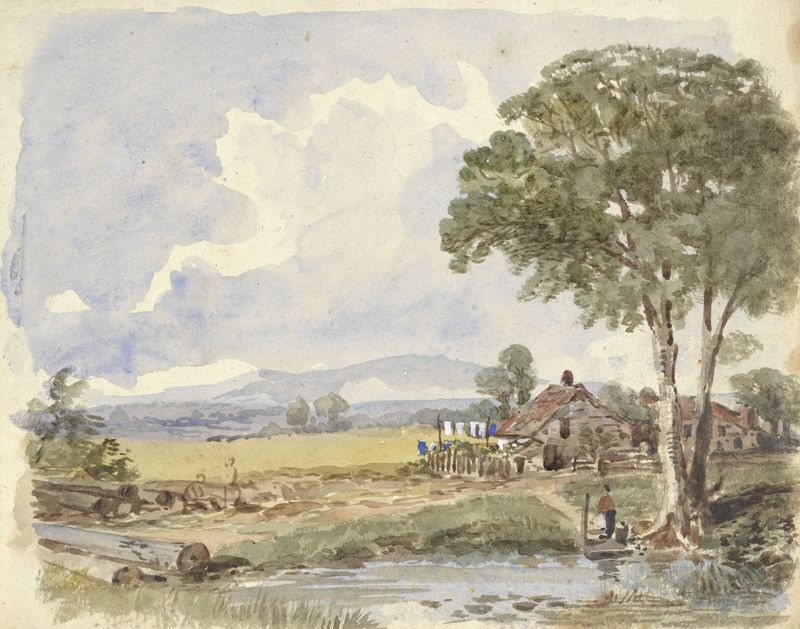
Landschap met boerderij
Pieter van Loon
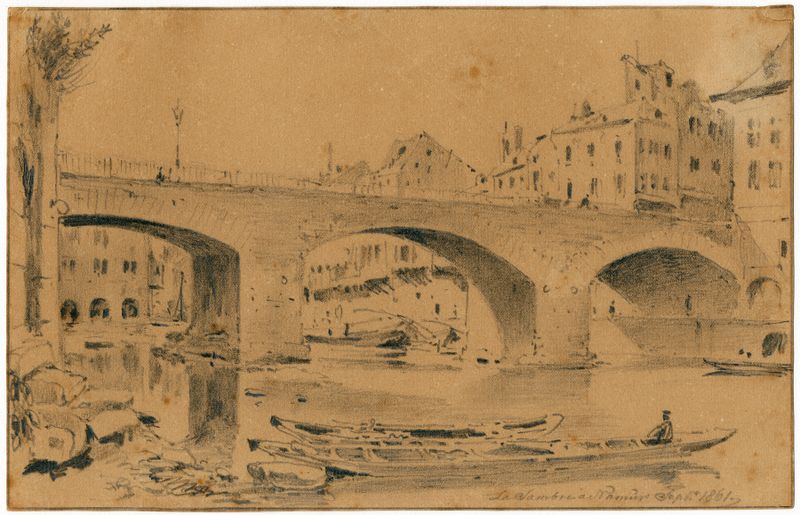
Brug over de Sambre te Namen
Pieter van Loon
Enkele huizen in de duinen
Pieter van Loon

Riviergezicht in parklandschap
Pieter van Loon





