Bruges — History & Facts
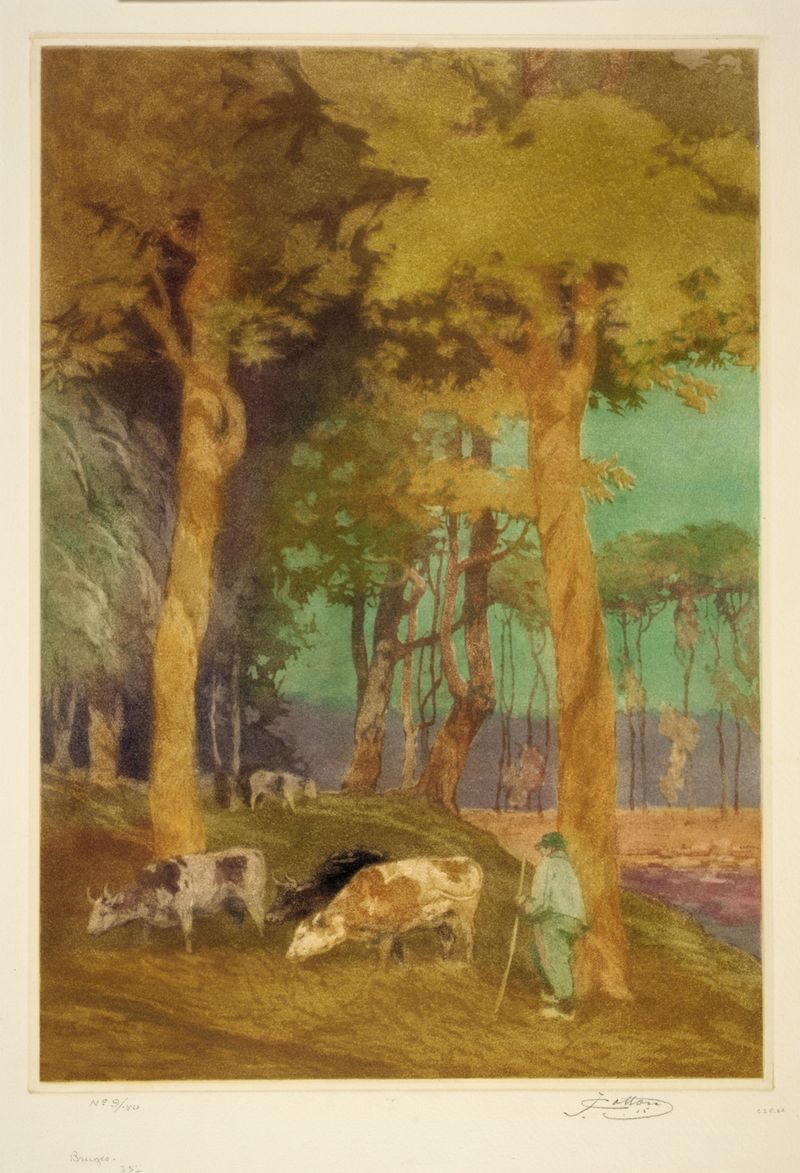
What if beauty was never meant to be finished? In the delicate brushstrokes and ethereal hues of this piece, the viewer is invited to ponder the fleeting nature of illusion. Look closely at the lower left corner, where the soft reflections in the water shimmer with a light that seems almost alive. The gentle ripples suggest movement, creating a contrast with the stillness of the buildings above. The palette, dominated by cool blues and soft whites, evokes a dreamlike atmosphere, while the intricate details of the architecture draw your eye upward, as if urging you to explore the depths of the scene. As you navigate the composition, notice the juxtaposition of solidity and transience.
The sturdy structures of the city hint at permanence, yet the fluid water beneath them speaks to the ephemeral quality of life. There’s a tension between the vibrant colors, which invite joy, and the muted tones that suggest the passing of time, encouraging a deeper reflection on what lasts and what fades away. John W. Cotton painted this work during a time when urban landscapes were becoming a popular subject in art, particularly in the early 20th century.
Although the date remains unspecified, it is likely that he created this piece while immersed in the evolving artistic communities of his time, seeking to capture the essence of places that blend reality with illusion, reflective of the complex emotions of an era in transition.