Bruges — History & Facts
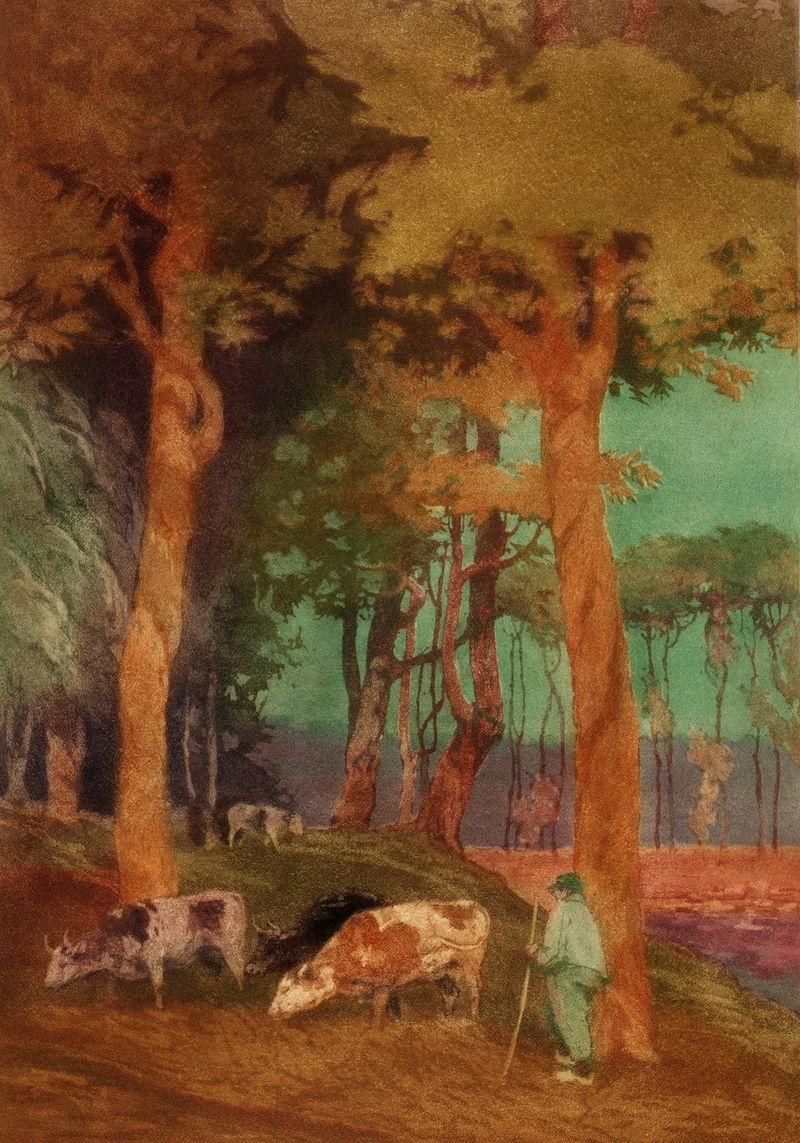
In the world of art, shadows often hold the weight of untold stories, whispering secrets only the discerning eye can unveil. Look to the center of the canvas where the intricate waterways of Bruges weave a path through the city, inviting you to explore the delicate dance of light and shadow. Notice how the vibrant colors of the buildings stand against the cool blues and grays, with reflections shimmering like fleeting memories captured in time. Each stroke seems to pulse with life, while the interplay between shadow and illumination creates a striking contrast that defines the essence of this enchanting scene. Yet, amidst the architectural beauty, a deeper narrative unfolds.
The shadows stretch and merge, hinting at the unseen lives of those who have traversed these streets, their stories interwoven with the fabric of the city. The juxtaposition of the bustling foreground against the tranquil, shadowy recesses invites reflection on the passage of time and the layers of history that shape a place. Each element contributes to a collective memory, echoing the life that flows through Bruges like its winding canals. John W.
Cotton painted this work during a time when the artistic community was rich with Impressionist influences. Active in the late 19th and early 20th centuries, Cotton embraced the evolving aesthetics of his era while approaching the landscapes of Europe with a unique perspective. Although the exact date of this piece remains unknown, it reflects a period of artistic exploration, marked by a desire to capture the ephemeral qualities of light and atmosphere.
This painting encapsulates not only the beauty of Bruges but also the spirit of an artist navigating the currents of change.