Brunnen in Veles (Mazedonien) — History & Facts
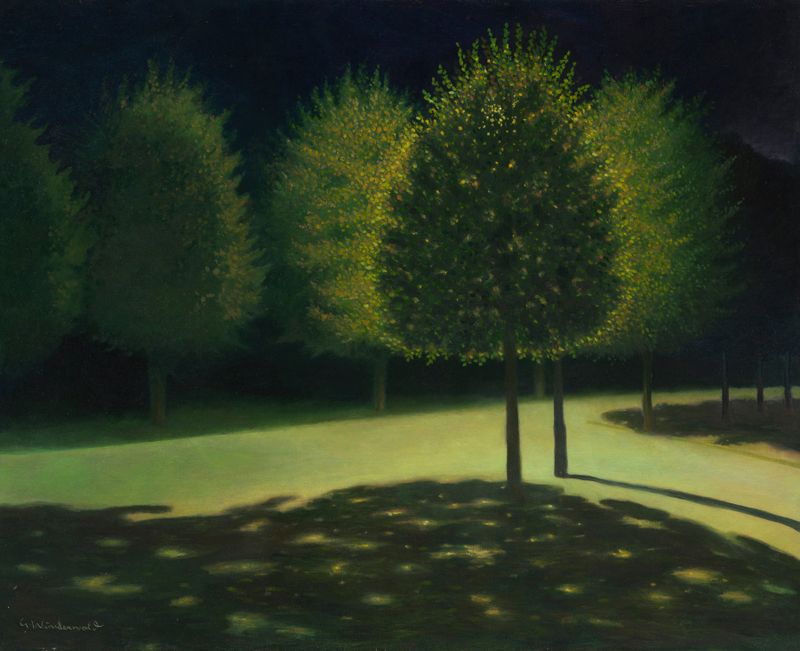
Who listens when art speaks of silence? In Brunnen in Veles (Mazedonien), light becomes the storyteller, weaving tales of stillness and reflection within a captured moment. Focus first on the gentle glow emanating from the fountain's surface, where the interplay of sunlight and shadow creates a dance of luminescence. Look to the left at the textured stonework, its roughness contrasting with the smooth water's embrace. The palette of earthy tones is soothing yet vibrant, inviting the viewer to linger on the delicate balance between nature and architecture. Delve deeper into the subtle details that breathe life into this scene.
The way the water cascades hints at the passage of time, echoing a sense of tranquility and the cyclical nature of existence. Notice how the surrounding foliage is depicted with rich greens, symbolizing growth and vitality, while the muted hues of the fountain itself suggest a history etched into stone. This juxtaposition speaks volumes about the resilience of artistry in the face of silence and stillness. Gustav Wunderwald painted Brunnen in Veles in 1919 during a time of great upheaval in Europe following World War I.
Living in Germany, he was exploring themes of identity and cultural heritage through his work. This painting reflects his desire to capture the essence of life in a region marked by both beauty and struggle, as the world of art began to shift toward new modernist movements.