Burford from West Hall Hill, farmyard — History & Facts
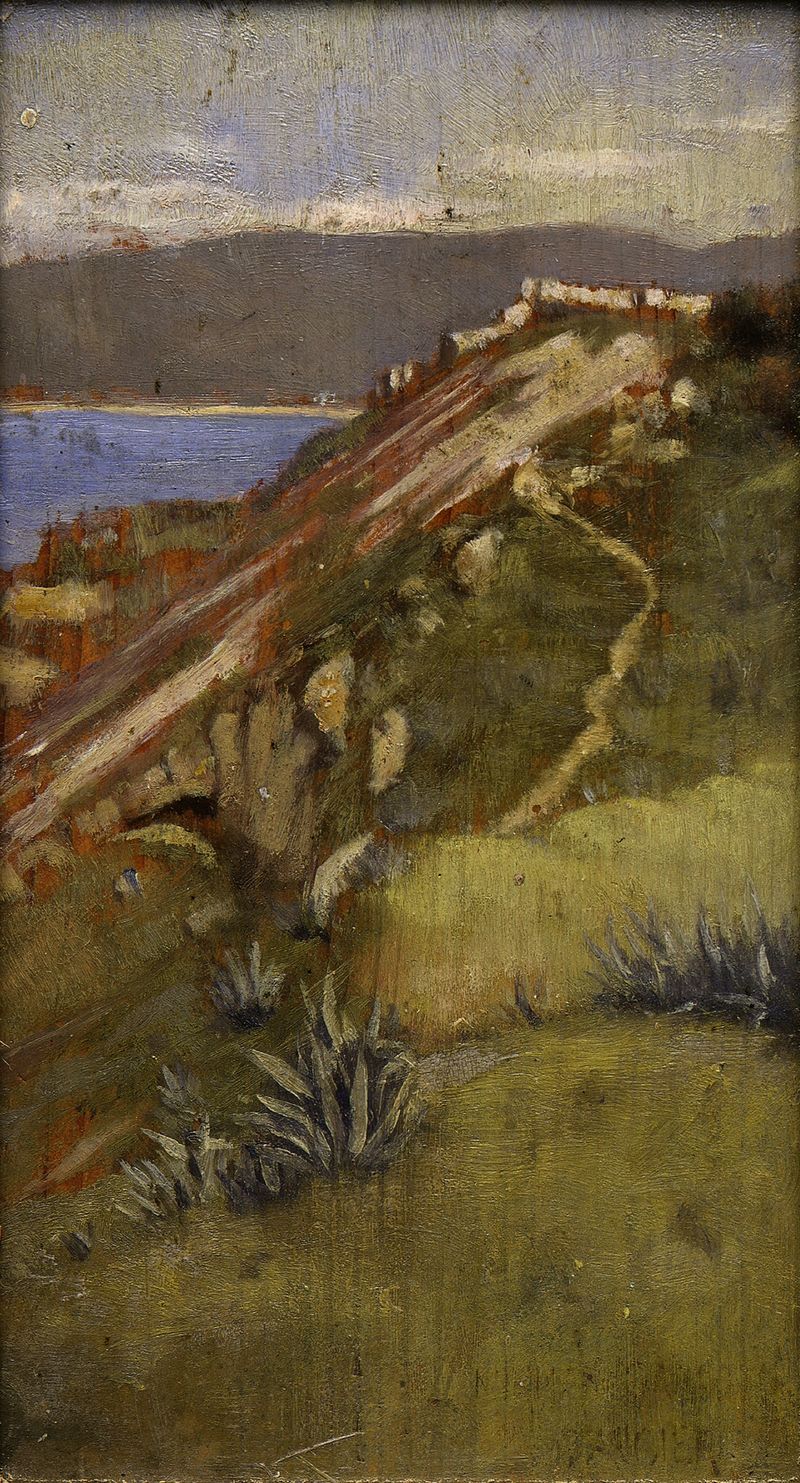
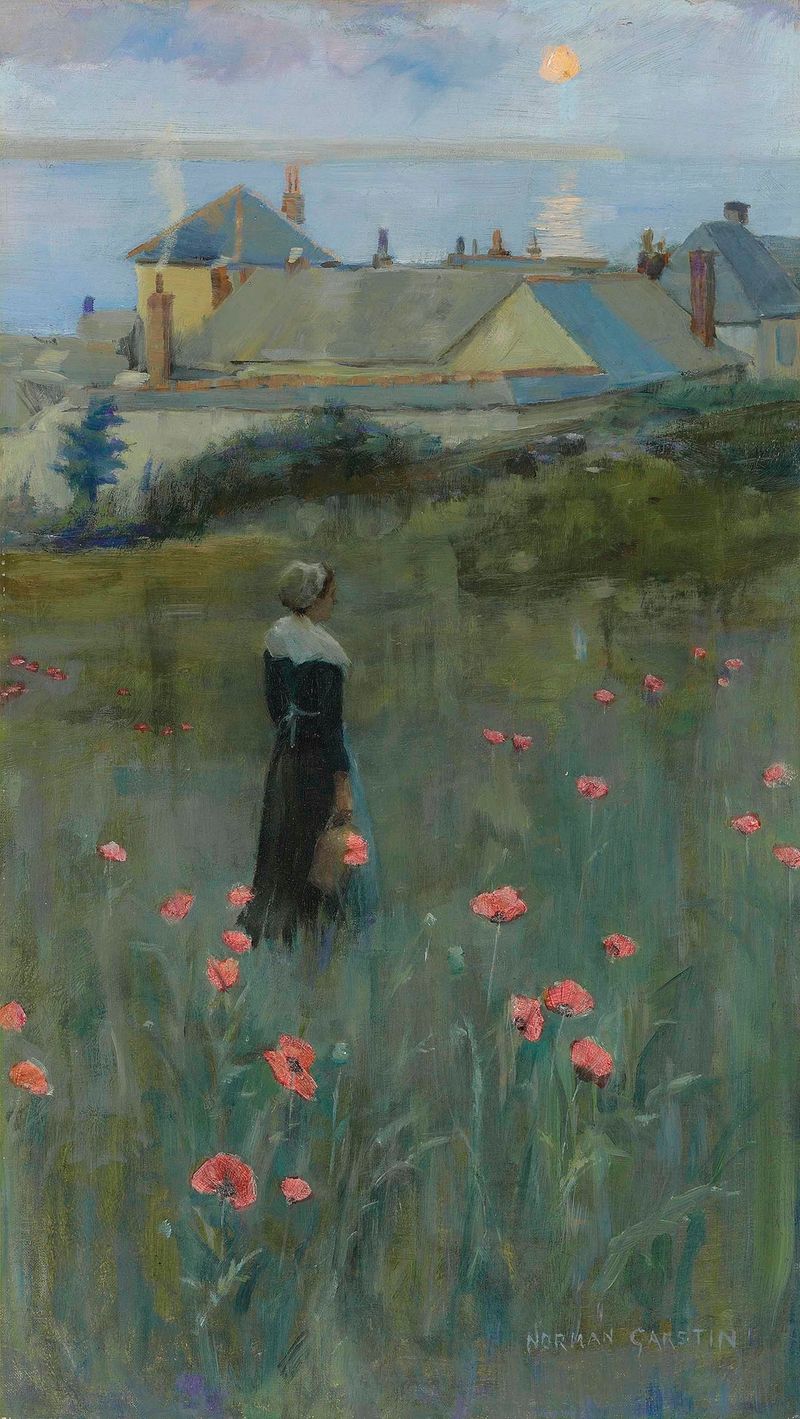
What secret hides in the quiet of the canvas? The world of Burford from West Hall Hill, farmyard invites us into the delicate obsession of observation, where every brushstroke whispers a story of stillness and contemplation. Look to the left at the gentle undulations of the hills, painted in a palette of soft greens and browns that blend seamlessly into the horizon. The farmhouse, nestled at the center, captures the eye with its warm hues, a beacon of humanity against the sprawling landscape. Notice how the light falls upon the quaint structures, casting elongated shadows that stretch like fingers across the farmyard, inviting you to ponder what lies beyond this serene threshold. Hidden within this scene is a palpable tension between nature and the human touch.
The rich detail of the foreground, with its rustic tools and scattered hay, tells a story of labor, while the expansive sky looms above, hinting at both the beauty and unpredictability of rural life. This juxtaposition reveals an emotional undercurrent of obsession: the artist’s fixation on capturing an ephemeral moment before it fades, and the longing to find harmony within life's chaos. In 1916, Norman Garstin created this work during a tumultuous period marked by World War I. Living in Cornwall, he sought solace in the landscapes that surrounded him, reflecting a yearning for peace amid external turmoil.
At this time, the movement towards Impressionism was influencing many artists, encouraging Garstin to explore light and color in ways that conveyed not just a scene, but a profound emotional resonance.