Burning of Sea Tangle — History & Facts
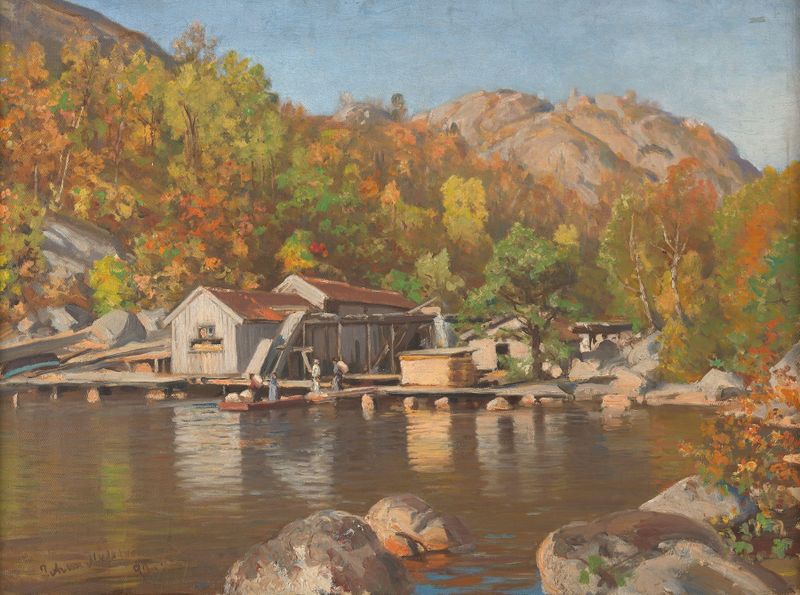
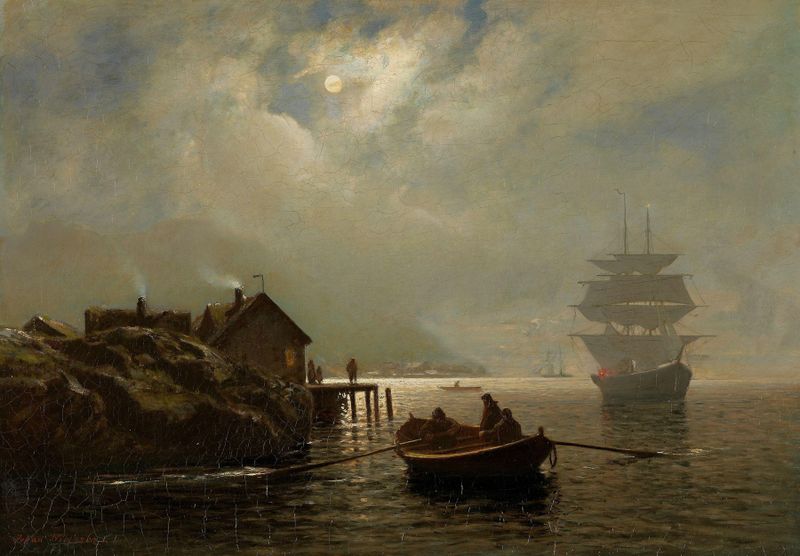
When did color learn to lie? The canvas unveils a world drenched in hues that both comfort and deceive, inviting us to question the truth that lies beneath the surface. Look towards the center where vibrant waves of deep blue and emerald green collide with the fiery oranges and reds of a burning sky. The brushstrokes pulsate with energy, suggesting both chaos and beauty. Notice how the light dances across the water's surface, creating a shimmering reflection that draws your gaze, while wisps of smoke rise ominously, symbolizing destruction amidst nature’s vibrant palette.
The composition masterfully balances tranquility and turmoil, urging viewers to linger and contemplate the emotional gravity of the scene. Delving deeper, one senses a conflict between the richness of life and the inevitability of loss. The juxtaposition of the serene ocean against the fiery sky reflects an internal struggle, perhaps a commentary on faith challenged by adversity. The lush colors may evoke a sense of hope, yet they are undercut by the ominous threat of destruction, prompting reflection on the fragility of existence.
This tension captures the duality of human experience, oscillating between belief and doubt. In 1880, Johan Nielssen crafted this thought-provoking piece during a period of significant change in the art world, where Romanticism was giving way to Realism. Living in Norway, Nielssen was inspired by the dramatic landscapes around him as well as the emotional weight of nature’s beauty and brutality. This artwork stands as a testament to his exploration of faith, both in the natural world and in human resilience amid turmoil.