Sawmill — History & Facts
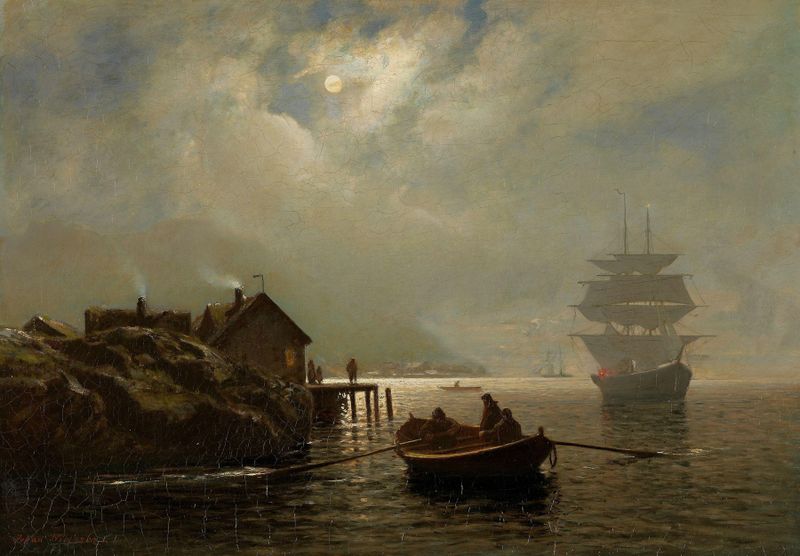
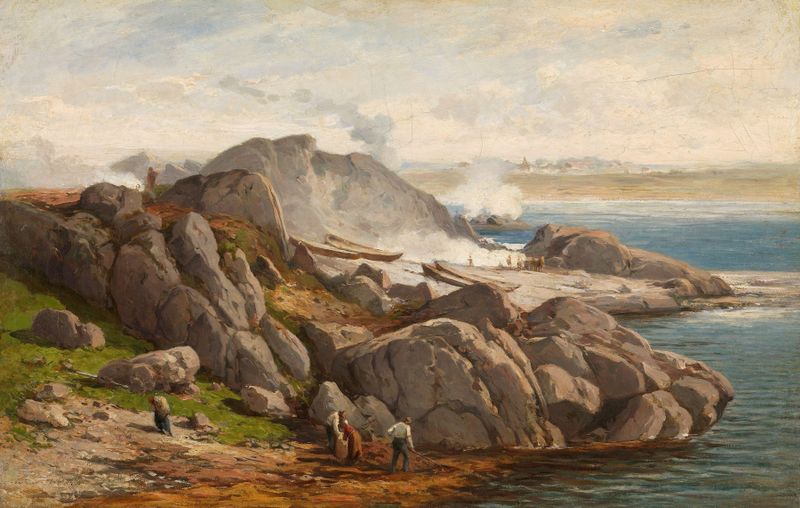
Is this a mirror — or a memory? The stillness of Sawmill invites you to explore the intersection of time and reflection, where silence holds stories within its grasp. Look to the left at the towering trees, their rough bark rendered with meticulous detail, each groove and knot whispering of the life within. The sunlight breaks through the canopy above, illuminating the sawmill's machinery in a golden hue, a stark contrast to the deep earth tones surrounding it. Notice how the juxtaposition of light and shadow creates a rhythmic pulse, guiding your eye across the composition, from the silent workers to the looming timber, evoking the weight of labor in this serene industrial landscape. Within this tranquil scene lies a deeper tension.
The stillness of the workers belies an unspoken struggle, a reminder of the relentless passage of time in an evolving world. The sawmill stands as a symbol of progress, yet the vibrant natural surroundings seem to mourn the loss of untouched wilderness. Each element in the painting resonates with a quiet urgency, reflecting both the promise of industry and the echoes of nature's resilience. Johan Nielssen painted Sawmill in 1892 while living in Norway, a time when the country was undergoing significant industrialization.
This period marked a turning point for many artists who began to grapple with the consequences of human encroachment on nature. Capturing the essence of this change, Nielssen’s work reflects both the beauty and the burden of a world caught between tradition and modernity.