
Buste van een apostel — History & Facts
In Buste van een apostel, the viewer is confronted with a striking interplay of grace and decay, where the sacred essence of an apostle is tethered to the reminder of mortality. This artwork encapsulates the paradox of life, revealing how beauty often emerges from the shadows of existence. Look closely at the apostle’s visage, where every wrinkle and shadow carries a story. Focus on the delicate folds of his draped garment, which shimmer with a golden hue that contrasts sharply against the somber palette of his skin.
Notice how light dances upon the smooth surface, illuminating the sacredness of his expression while simultaneously hinting at the weariness of time. The intricate details, from the lifelike texture of flesh to the carefully rendered highlights, invite viewers into a dialogue with the subject, balancing reverence and fragility. The emotional tension in this piece lies not only in the apostle's face but also in the juxtaposition of vibrant color against the decay of the human form. Every detail seems to echo the transitory nature of life, suggesting that wisdom and sorrow often coexist.
The artist’s choice to use rich gold tones alongside muted earth colors encapsulates this duality, challenging the viewer to reflect on the relationship between glory and the inevitable decline. Such contrasts stimulate a deeper contemplation about faith, time, and the human condition. Created between 1630 and 1660, the work emerged during a period of significant transition in the art world, particularly in the Northern Netherlands. Theodorus van Kessel, influenced by the burgeoning Baroque style, was navigating the complexities of a society grappling with religious and existential questions.
Amidst this backdrop, his ability to capture both the spiritual and the decaying echoes the artistic inquiries of his era, providing a profound reflection on the intersection of beauty and decay.
More Artworks by Theodorus van Kessel
Browse all →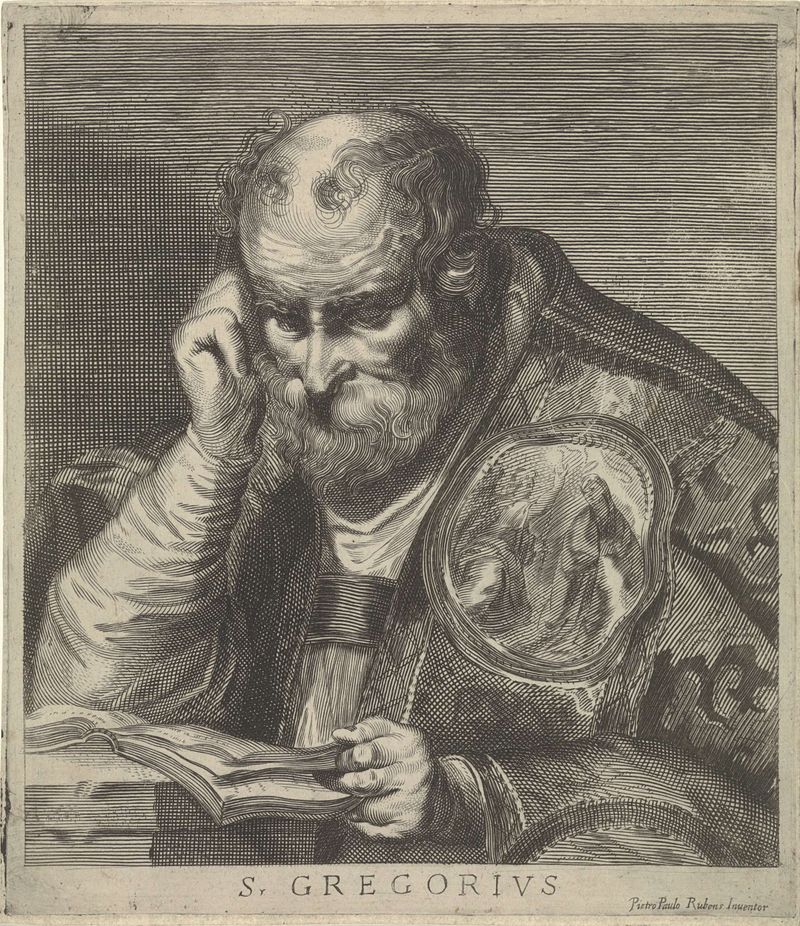
More Religious Art
Browse all →
The Return of the Prodigal Son
Rembrandt van Rijn

The Garden of Earthly Delights
El Bosco

Count Orgaz’ funeral
El Greco

The Hundred Guilder Print: the central piece with Christ preaching, the plate arched
Rembrandt van Rijn

The Descent from the Cross
Rogier van der Weyden

The return of the prodigal son
Rembrandt van Rijn