
Portret van Adam Willaerts — History & Facts
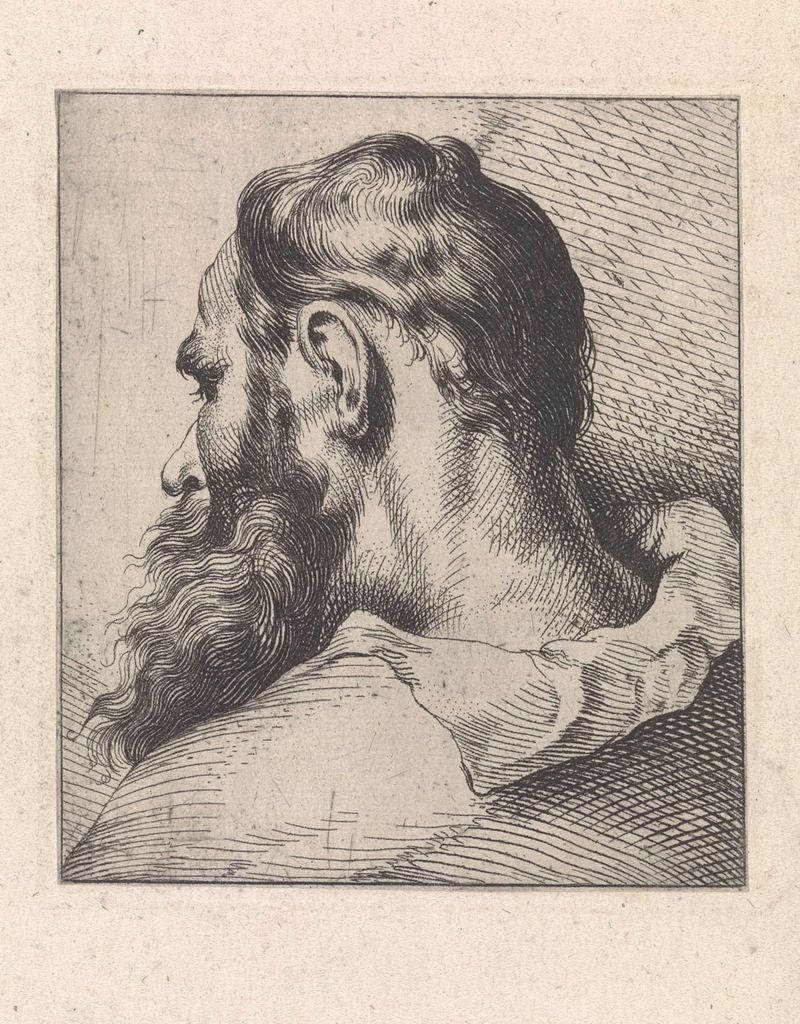
In this stillness, we confront the weight of absence, a palpable echo of what once was. Each brushstroke resonates with the silence of loss and the longing for connection, urging the viewer to delve deeper into the expressed emotions. Focus on the central figure, where the artist captures a poignant gaze that transcends time. The intricate details of the attire, the rich textures of the fabric, and the delicate play of light evoke a sense of presence, as if the subject might step out of the canvas at any moment.
Notice the dark background that envelops him, creating a stark contrast that accentuates the vibrancy of his features. Here, color choices reflect both a somber mood and a vibrant spirit coexisting in a single frame. Within this portrayal lies a narrative of solitude and introspection, suggesting an internal struggle beneath the surface. The subject’s expression hints at an unspoken story, perhaps a memory of loss that lingers in the air.
Furthermore, the absence of personal artifacts surrounding him speaks volumes, emphasizing a life defined by what has been left behind rather than what remains. This tension invites viewers to grapple with their own experiences of absence and remembrance. In 1658, Theodorus van Kessel painted this work during a time when the Dutch art scene was flourishing, marked by a fascination with realism and intimate portraiture. Van Kessel, influenced by the burgeoning Baroque style, sought to explore the complexities of human emotion in his subjects.
This period in his life reflected a broader artistic shift towards capturing the nuanced, often hidden aspects of existence, as artists began to focus on the inner worlds of their sitters rather than mere likeness.
More Artworks by Theodorus van Kessel
Browse all →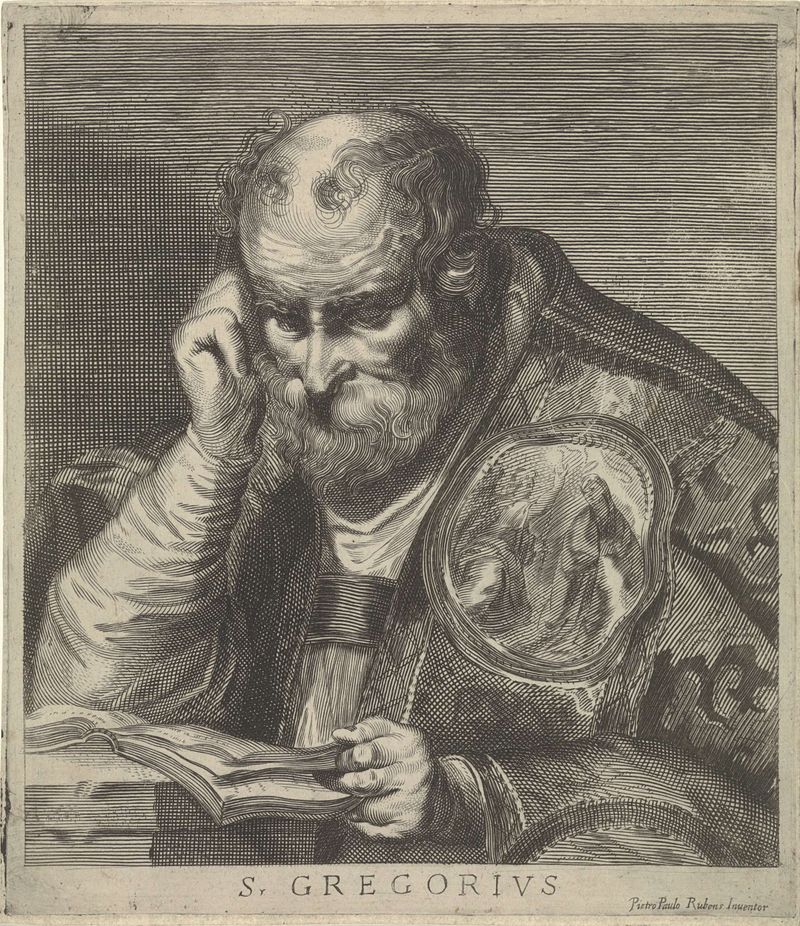
More Portrait Art
Browse all →
Las meninas
Diego Velázquez

Self-portrait with a Bandaged Ear and Pipe
Unidentified artist

Girl with a Pearl Earring
Johannes Vermeer

The Sampling Officials of the Amsterdam Drapers’ Guild, Known as ‘The Syndics’
Rembrandt van Rijn

The Hundred Guilder Print: the man seen on the back in the lower left corner
Rembrandt van Rijn

Portrait of Dr Gachet
Vincent van Gogh