
Buste van een vrouw — History & Facts
Could a single brushstroke hold eternity? In Buste van een vrouw, the artist captures the delicate balance between beauty and the tumultuous echoes of violence hidden beneath the surface. Look to the left at the gentle curve of the woman's neck, where light caresses the skin with a soft glow, revealing the exquisite detail of her delicate features. Notice how the deep shadows around her eyes contrast sharply with the luminous highlights on her cheekbone, creating a palpable depth that suggests both vulnerability and strength. The color palette, rich and muted, adds to the emotional weight of the piece, drawing the viewer into her introspective gaze while hinting at an unsettling past. As you take in the composition, subtle tensions emerge.
The serene expression belies the emotional turmoil that may linger in her history, hinting at stories of violence — perhaps the struggles she faced in a society that often silenced women. The way her hair falls around her face evokes both a sense of protection and confinement, reflecting the dualities of femininity. Each brushstroke, deliberate yet fluid, speaks to the juxtaposition of grace and hardship, inviting contemplation of the unseen battles waged within. Johann Georg Trautmann created this work during a period when the art world was transitioning from Baroque grandeur to a more intimate, personal expression.
In the mid-18th century, he was immersed in the artistic culture of the Netherlands, responding to both the burgeoning Enlightenment ideals and the remnants of the earlier, more ornate styles. His commitment to portraying the psychological depth of his subjects marked a significant moment in art history, influencing the subsequent generations of portrait painters.
More Artworks by Johann Georg Trautmann
Browse all →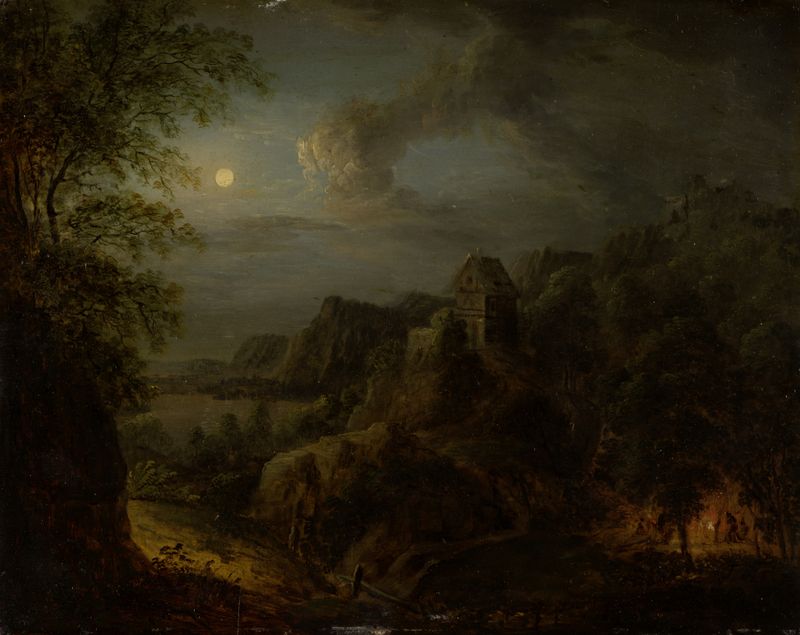
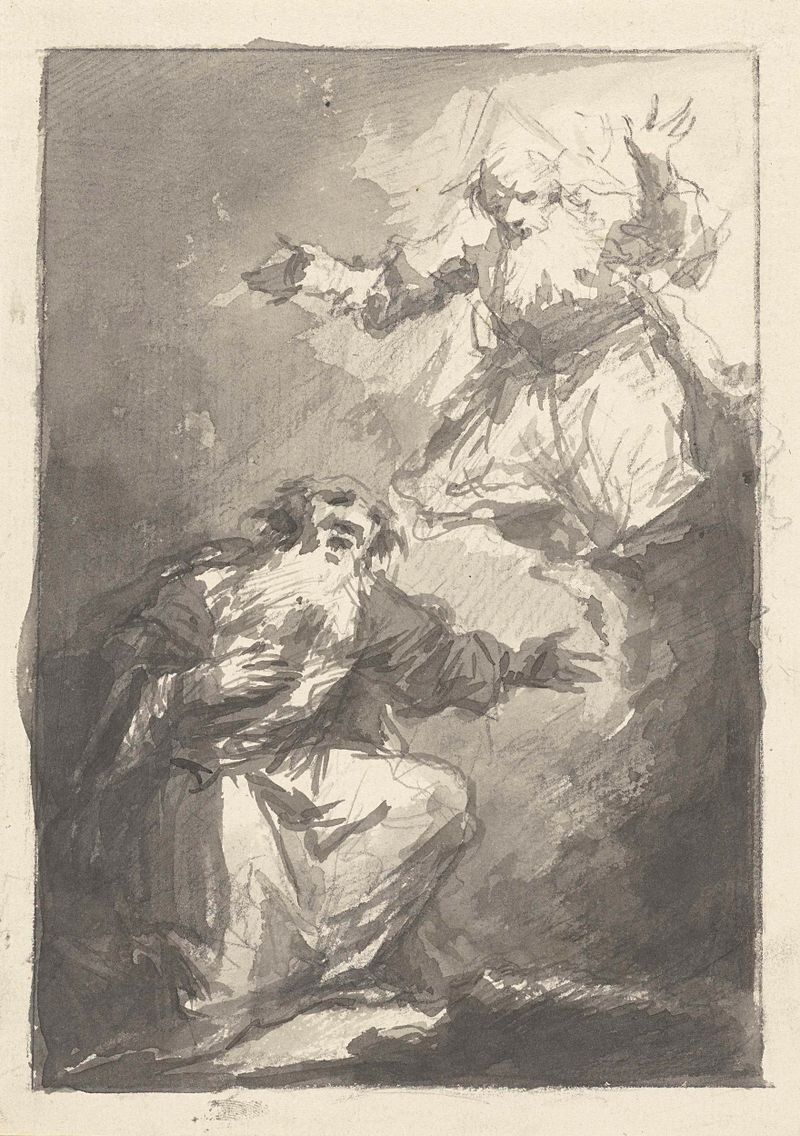
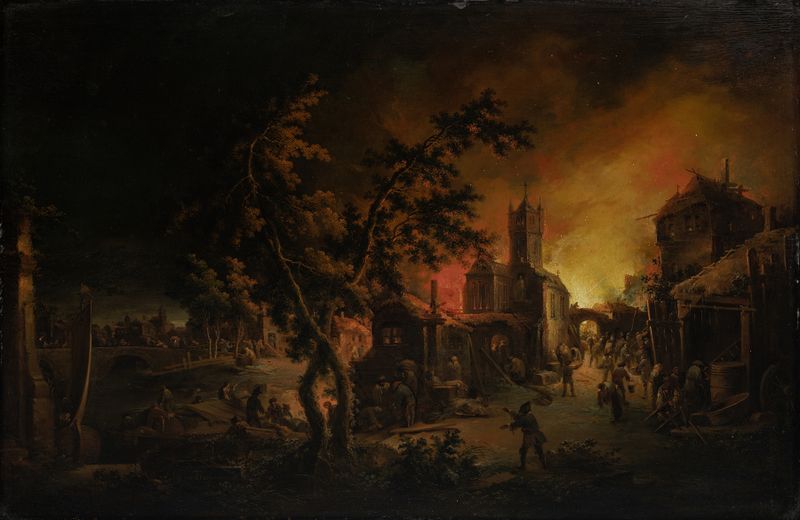
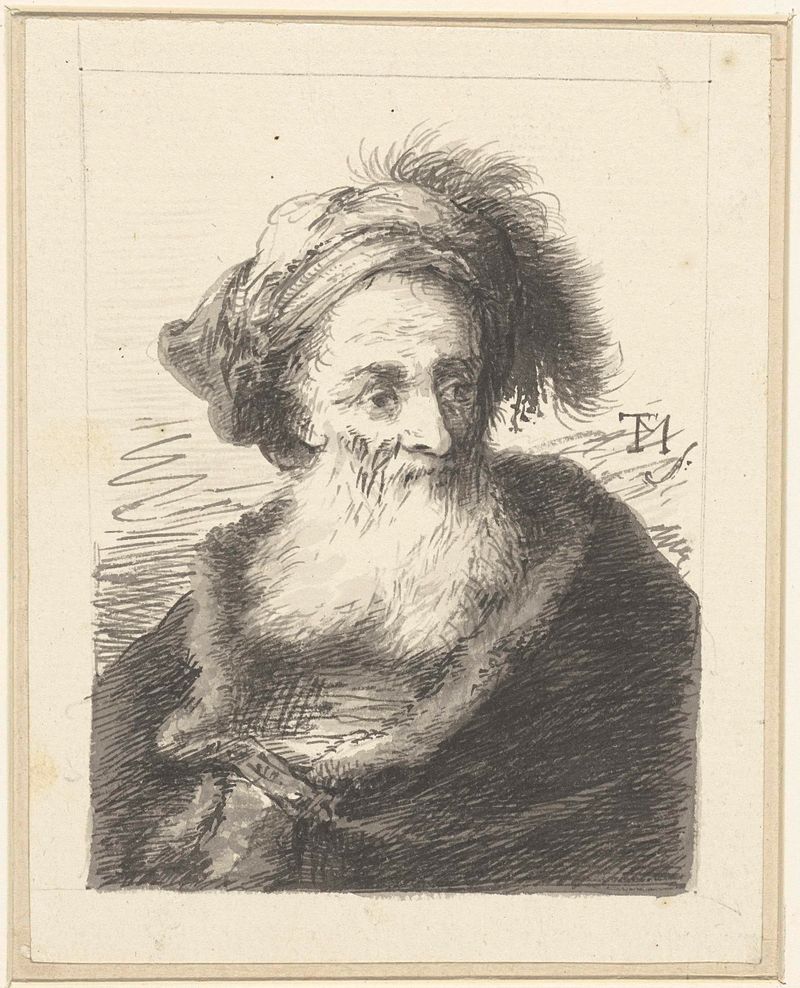

More Portrait Art
Browse all →
Las meninas
Diego Velázquez

Self-portrait with a Bandaged Ear and Pipe
Unidentified artist

Girl with a Pearl Earring
Johannes Vermeer

The Sampling Officials of the Amsterdam Drapers’ Guild, Known as ‘The Syndics’
Rembrandt van Rijn

The Hundred Guilder Print: the man seen on the back in the lower left corner
Rembrandt van Rijn

Portrait of Dr Gachet
Vincent van Gogh