
Conflagration at Night — History & Facts
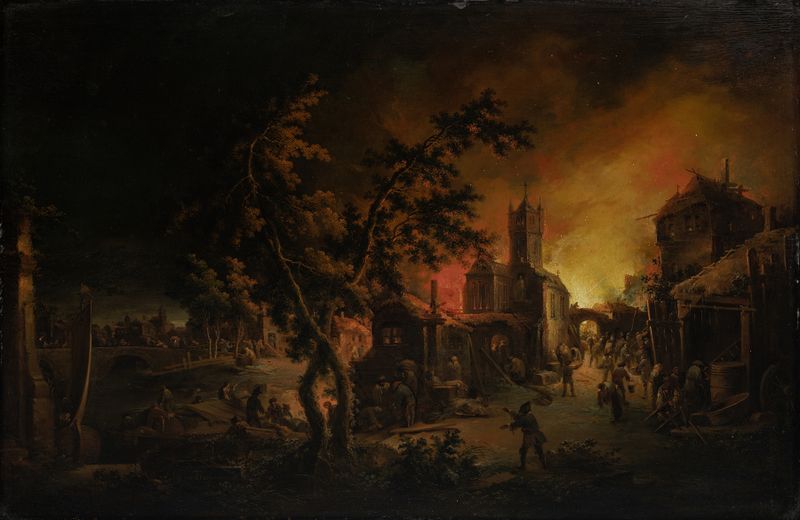
In the grip of a fierce flame, the fleeting nature of existence flickers before us, urging contemplation of mortality with every vibrant stroke. Look to the center of the canvas, where fiery tongues leap high against a backdrop of shadowy night, illuminating the faces of terrified onlookers. Notice how Trautmann’s use of chiaroscuro heightens the drama, casting stark shadows that dance with the light, drawing your gaze through the chaos. Rich reds and oranges clash with deep blues and blacks, creating a visceral tension that captures the viewer’s senses, as if you can almost feel the heat radiating from the inferno. Delve deeper, and you’ll notice the expressions etched on the crowd’s faces—fear, despair, and a hint of awe.
This spectrum of emotion speaks not only to the catastrophe at hand but also to the collective human experience of facing the unknown. The scattered debris in the foreground serves as a poignant reminder of loss, juxtaposed against the vibrancy of the flames—a stark commentary on destruction and rebirth, echoing the transient nature of life itself. Created between 1762 and 1769, this piece emerged during a period of significant transformation in European art, marked by a shift toward dramatic realism. Trautmann, working in Germany, was influenced by the broader Baroque tradition while experimenting with new approaches to light and space.
At this time, the world was grappling with the awareness of human fragility, a theme that profoundly resonates in this haunting depiction of devastation.
More Artworks by Johann Georg Trautmann
Browse all →
More Historical Art
Browse all →
The Night Watch Militia Company of District II under the Command of Captain Frans Banninck Cocq
Rembrandt van Rijn
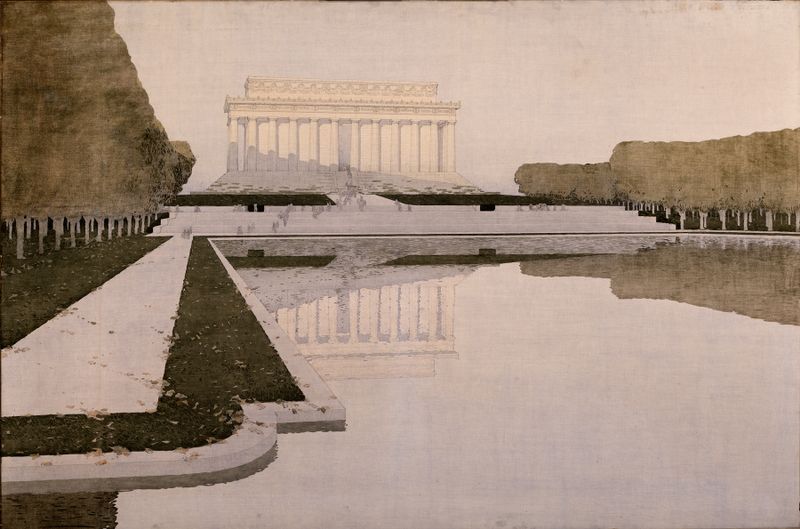
Lincoln Memorial
Henry Bacon
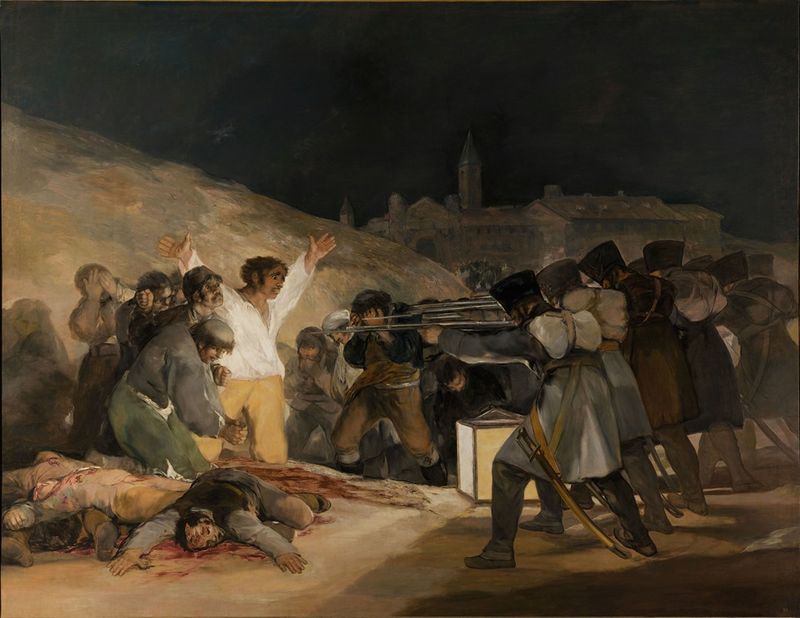
The Third of May 1808
Francisco de Goya

Isaac and Rebecca, Known as ‘The Jewish Bride’
Rembrandt van Rijn
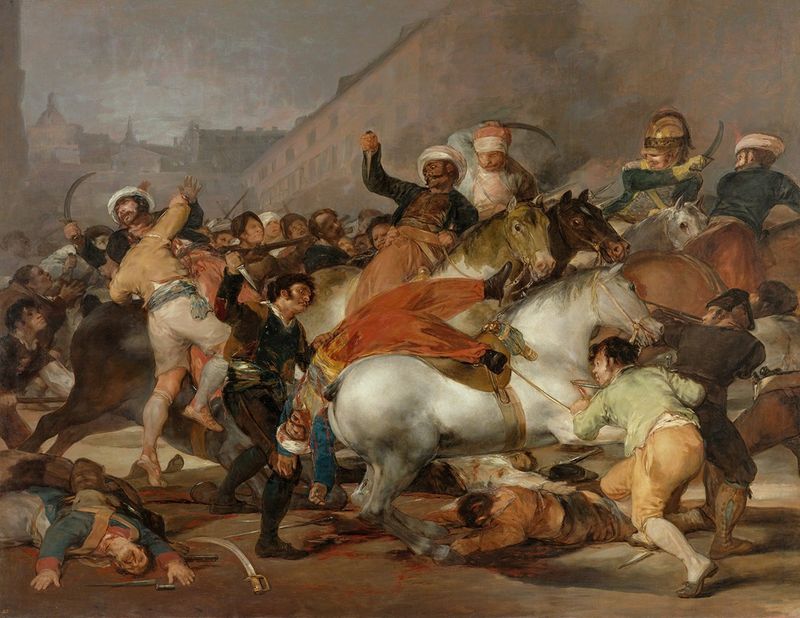
The Charge of the Mamelukes (1814)
Francisco de Goya

De vier ruiters van de apocalyps
Albrecht Dürer