
Buste van een vrouw, naar rechts in profiel — History & Facts
What secret hides in the quiet of the canvas? The stillness of Buste van een vrouw, naar rechts in profiel captures an intimate moment, revealing a fragile vulnerability that invites contemplation. Focus on the gentle curve of the woman's neck, where light dances softly to illuminate her serene profile. Notice how the muted palette—subtle hints of ochre and soft browns—enhances her delicate features, imbuing her expression with a melancholic grace. The painter's careful strokes create a sense of depth, drawing the viewer’s gaze toward her downcast eyes, which seem to harbor the weight of unspoken thoughts. Embedded in this portrayal is a tension between presence and absence, a dialogue between the woman and her unseen world.
The contrast of light and shadow emphasizes her fragility, suggesting a fleeting moment suspended in time. Each brushstroke reveals layers of emotion; her composed exterior belies the whisper of introspection, prompting questions about her story, her dreams, and the silent barriers that confine her. Cornelis Dusart painted this work in the late 17th to early 18th century, a period marked by a growing interest in the human condition within the Dutch Baroque movement. As a student of Rembrandt, he was immersed in an era focused on realism and emotional depth, creating an intimate connection between art and the viewer.
The reflective nature of this piece mirrors the broader artistic exploration of identity and sentiment characterizing his contemporaries.
More Artworks by Cornelis Dusart
Browse all →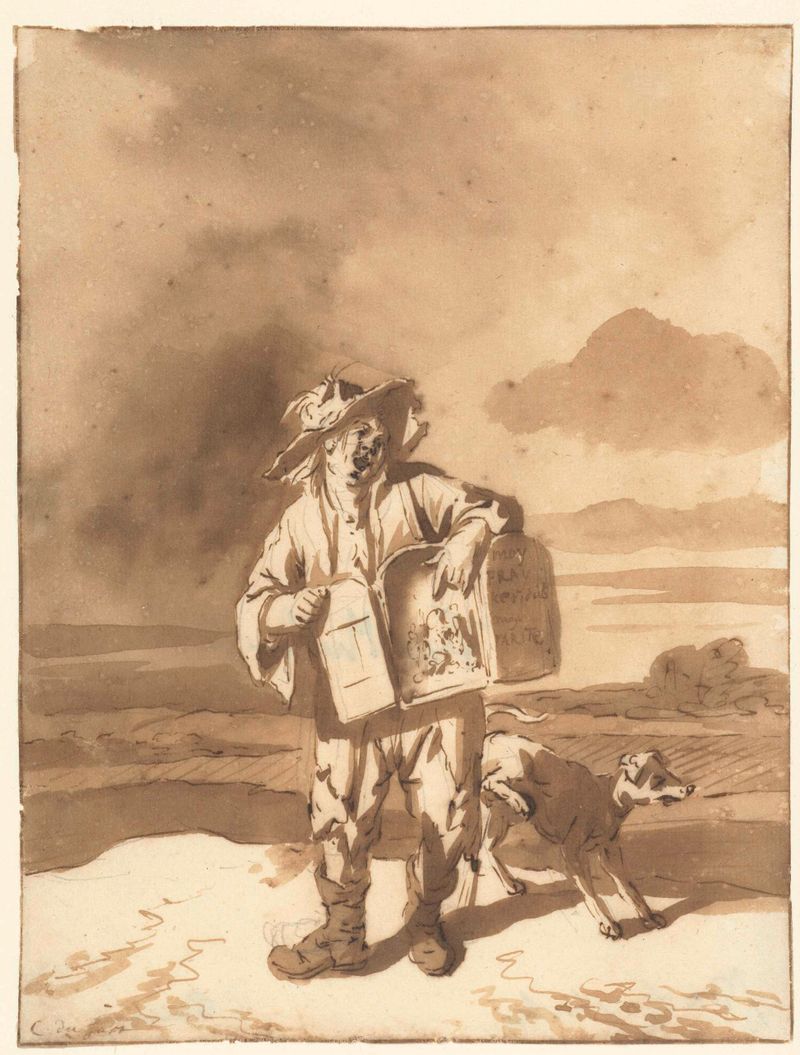
A Young Man with a Peepshow and a Dog
Cornelis Dusart
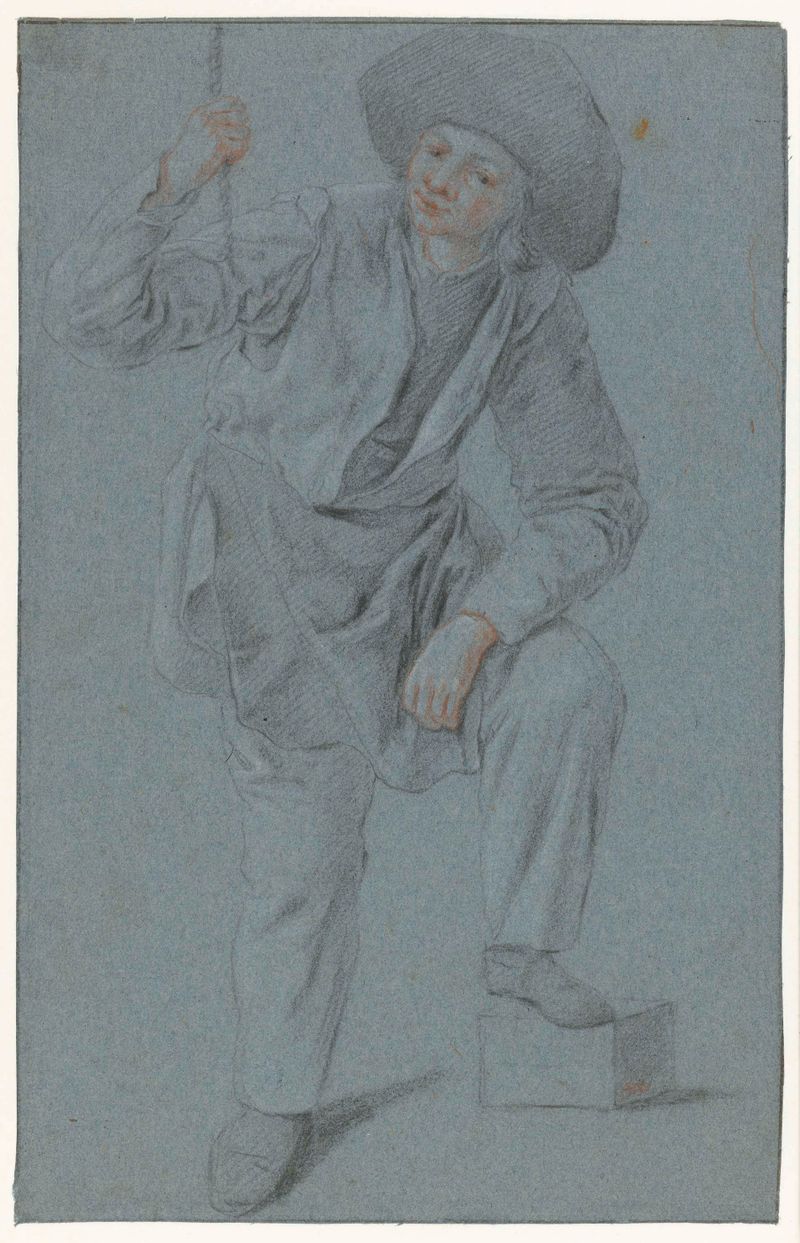
Staande jongen die aan een touw trekt
Cornelis Dusart
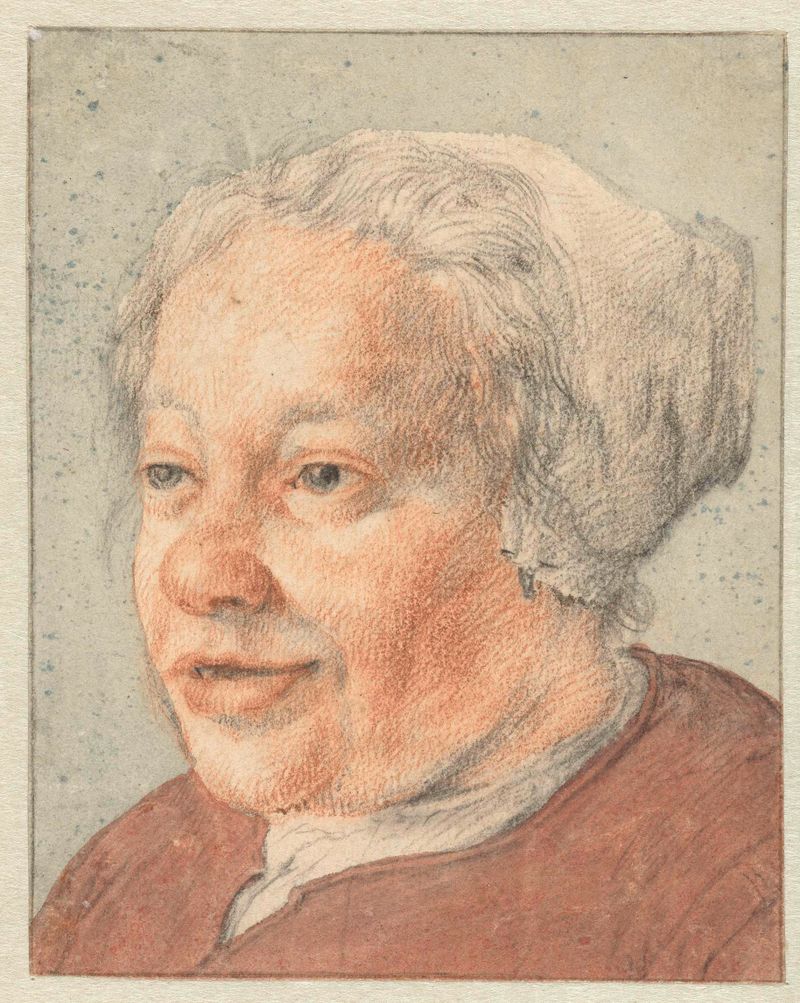
Hoofd van een vrouw, driekwart naar links
Cornelis Dusart

Farmhouse with a Well
Cornelis Dusart

An Artist with a Model in his Studio
Cornelis Dusart
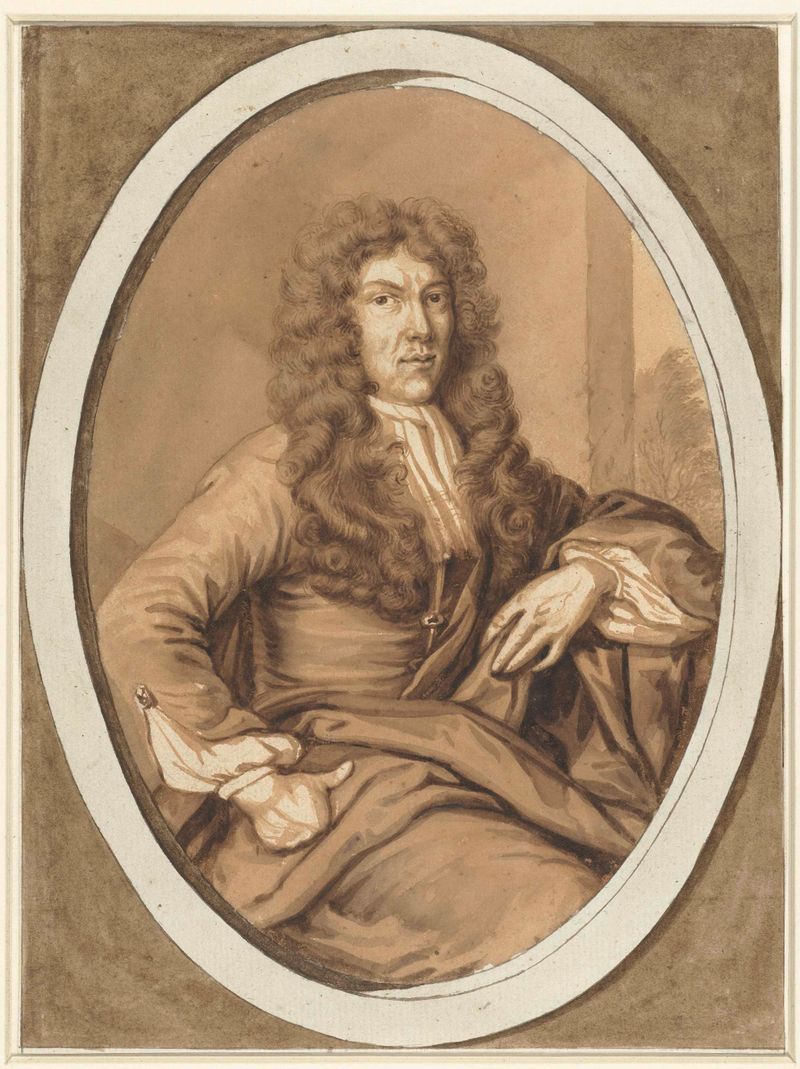
Portret van een jonge man, in ovaal
Cornelis Dusart
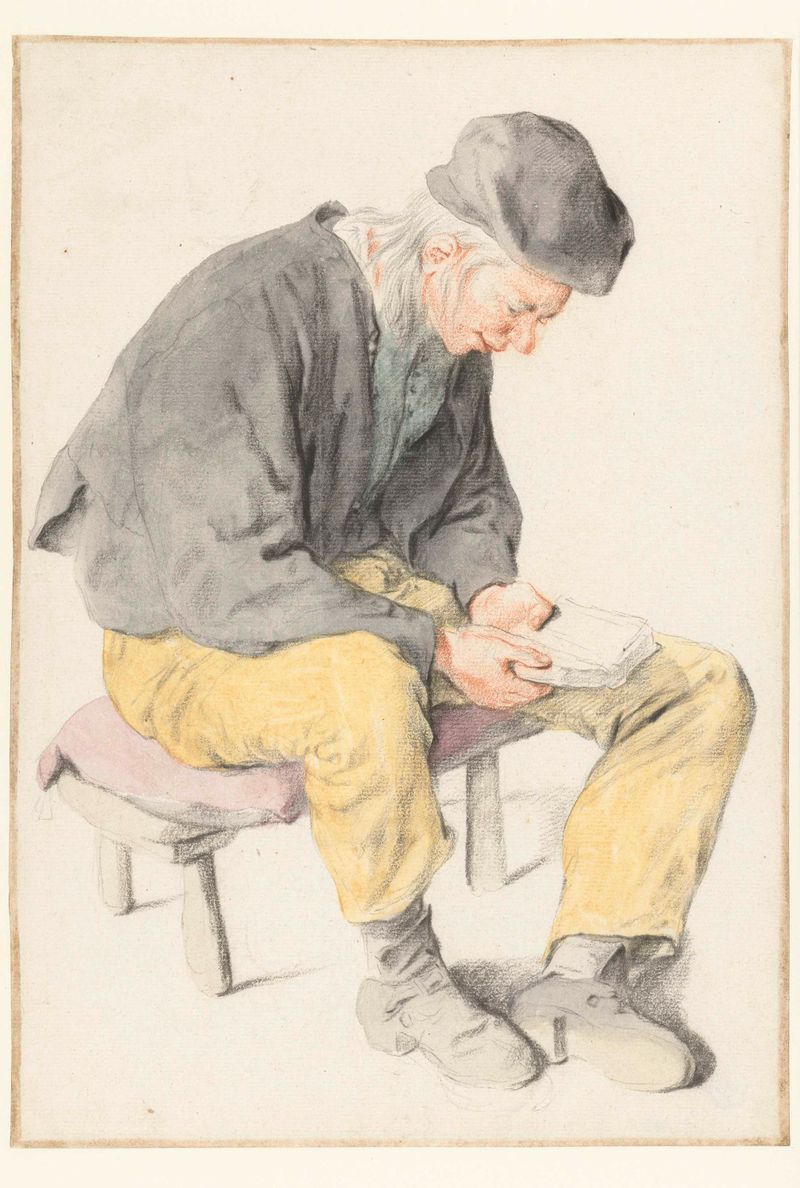
Seated Man Reading, Facing Right
Cornelis Dusart
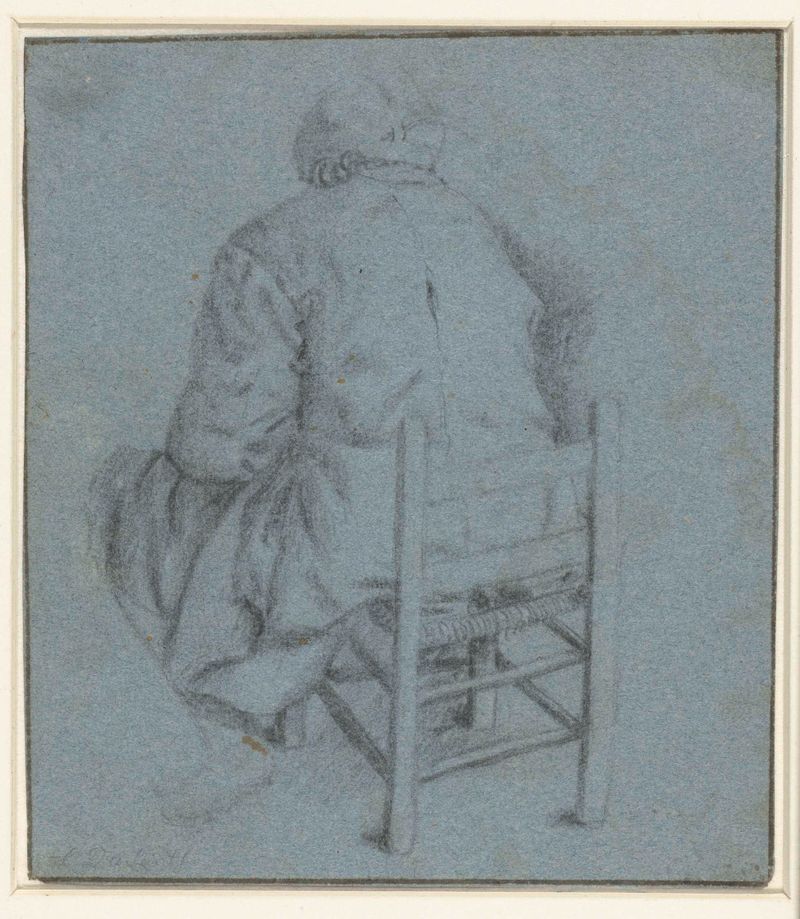
Figuur op laag stoeltje gezeten, op de rug gezien
Cornelis Dusart
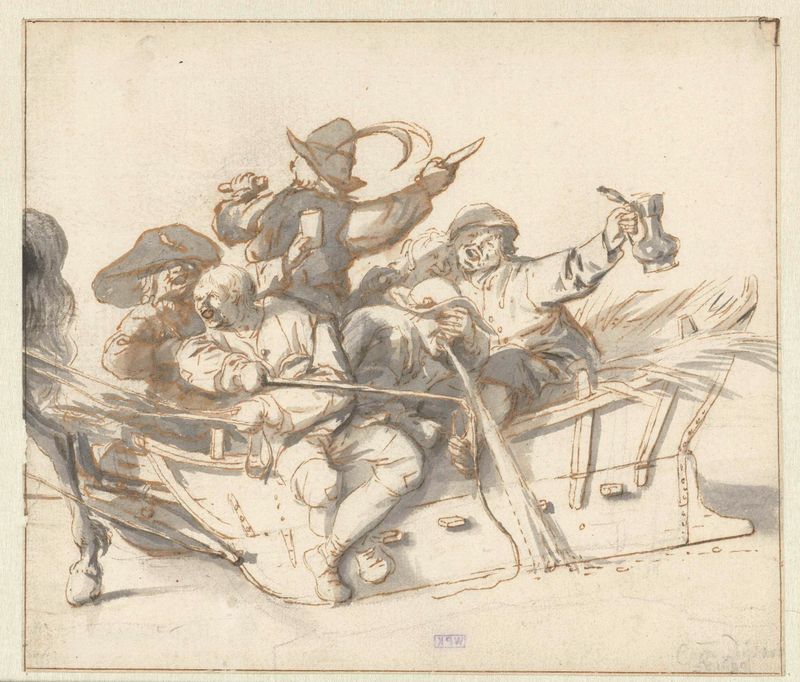
Five Drunken Villagers and a Woman on a Sleigh
Cornelis Dusart
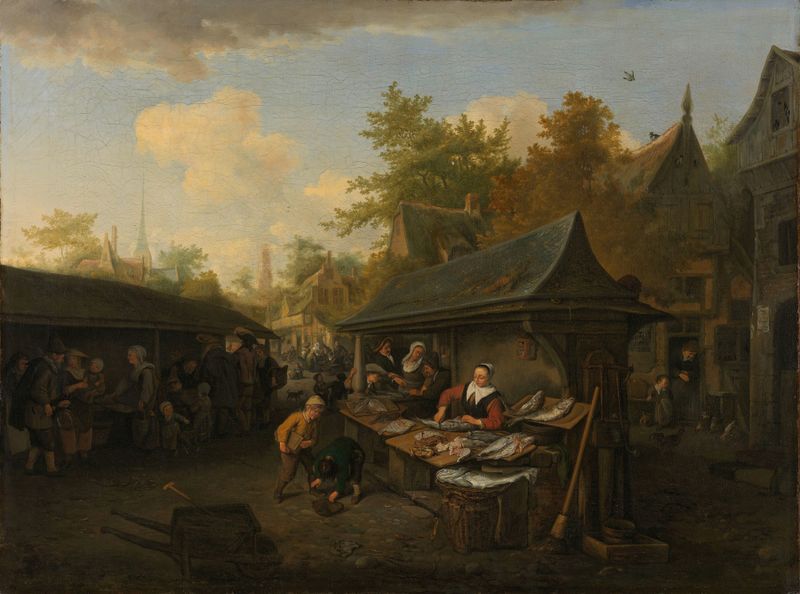
Fish Market
Cornelis Dusart
More Portrait Art
Browse all →
Las meninas
Diego Velázquez

Self-portrait with a Bandaged Ear and Pipe
Unidentified artist

Girl with a Pearl Earring
Johannes Vermeer

The Sampling Officials of the Amsterdam Drapers’ Guild, Known as ‘The Syndics’
Rembrandt van Rijn

The Hundred Guilder Print: the man seen on the back in the lower left corner
Rembrandt van Rijn

Portrait of Dr Gachet
Vincent van Gogh