
Figuur op laag stoeltje gezeten, op de rug gezien — History & Facts
Where does light end, and longing begin? In the quiet depths of Figuur op laag stoeltje gezeten, op de rug gezien, one can almost feel time slipping through fingers like grains of sand. Look to the left of the canvas, where a figure sits languidly on a low stool, their back turned to us. The soft, golden light washes over them, highlighting the delicate folds of their garment while casting subtle shadows that hint at the contours of their form. The muted palette of browns and ochres creates a sense of warmth, inviting the viewer to linger, yet the solitude also evokes an undercurrent of melancholy.
The simplicity of the composition draws you in, compelling you to ponder the thoughts that swirl within this solitary presence. Yet, the true essence of the painting lies in its contrasts. The figure's stillness suggests introspection, as if caught in a reverie, while the light that envelops them offers a fleeting sense of hope. The empty space around them elicits a feeling of isolation, drawing attention to the tension between solitude and the yearning for connection.
This emotional duality is reflected in the figure's posture, mirroring an inner landscape where dreams and despair intertwine. Cornelis Dusart created this work during the late 17th century, a time when the Dutch Golden Age was shifting towards more intimate and personal themes in art. Living in Haarlem, he was influenced by the emerging styles of genre painting, focusing on human emotion and everyday life. It was a period marked by both artistic innovation and the exploration of psychological depth, allowing Dusart to capture this poignant moment where light and longing intersect in the quietude of existence.
More Artworks by Cornelis Dusart
Browse all →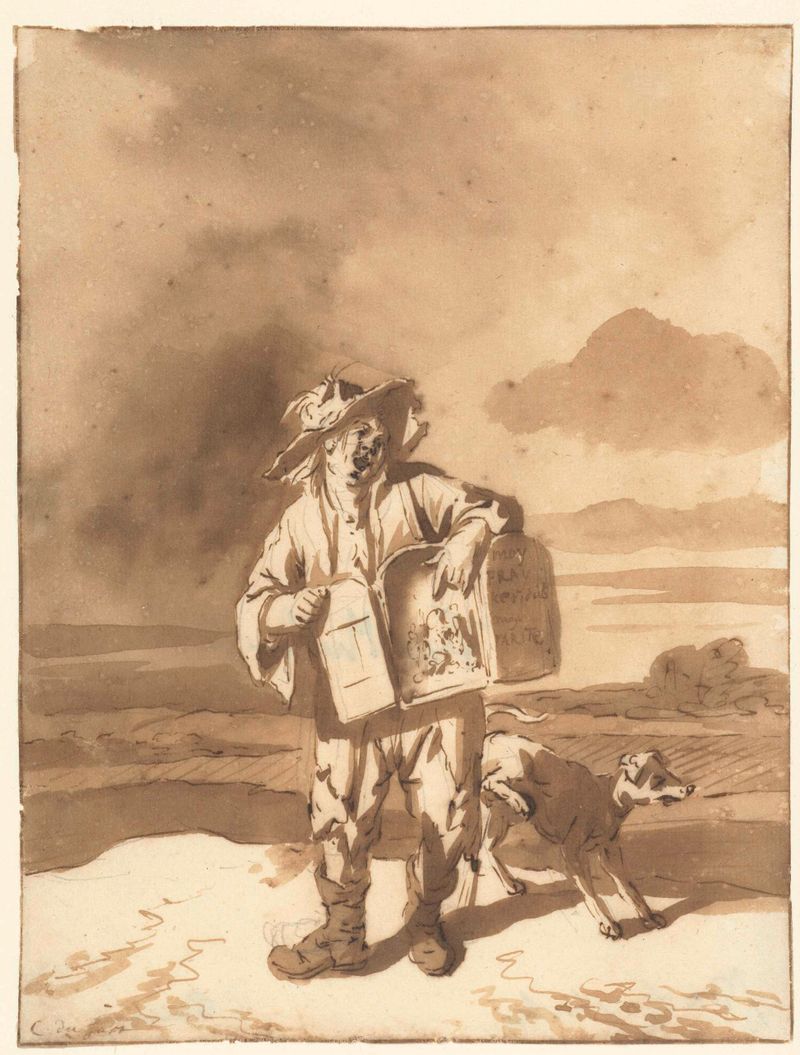
A Young Man with a Peepshow and a Dog
Cornelis Dusart
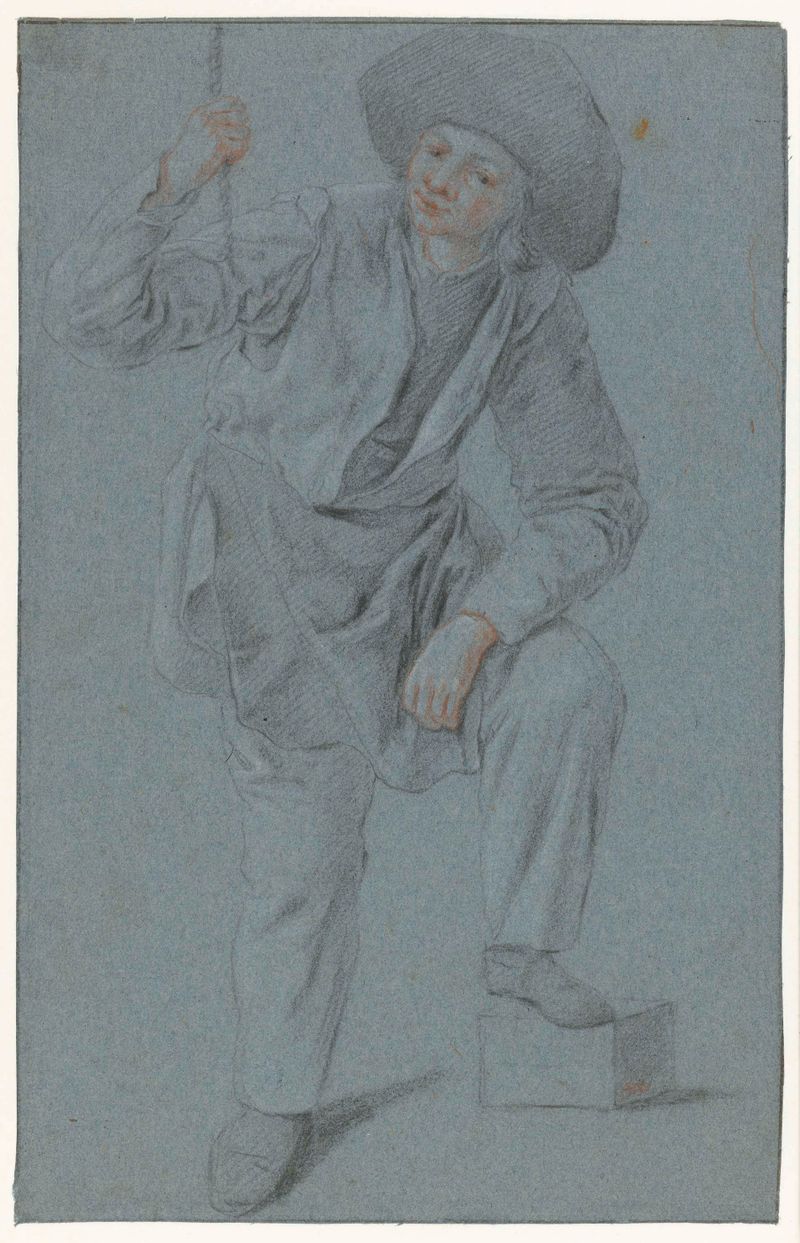
Staande jongen die aan een touw trekt
Cornelis Dusart
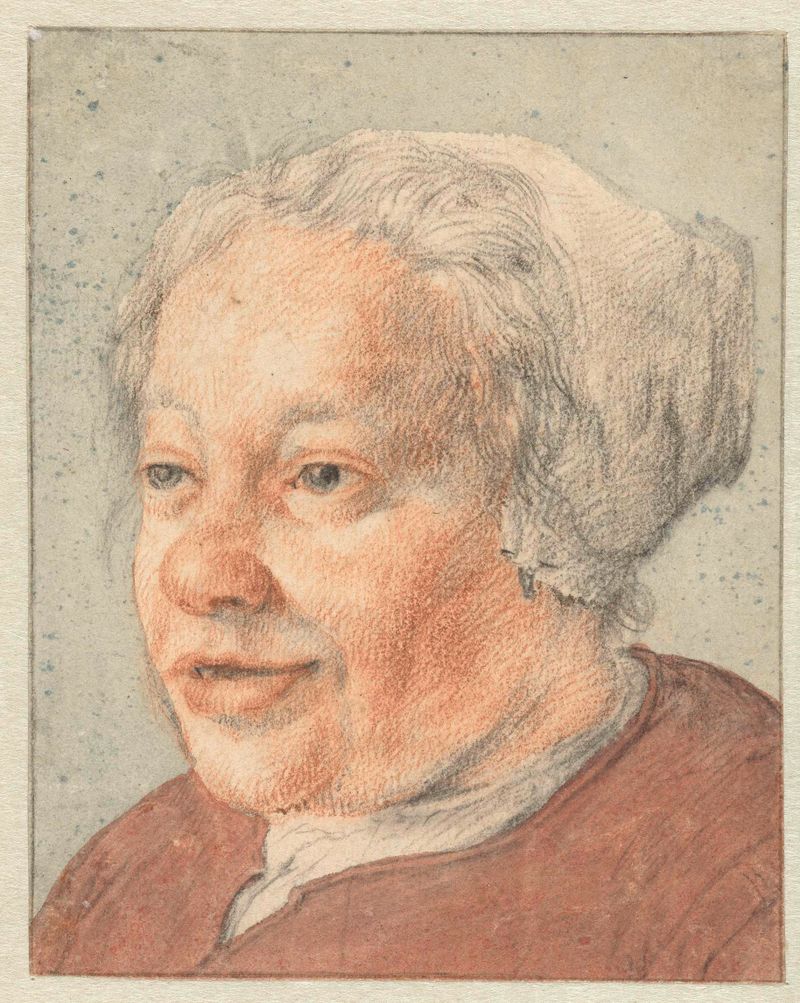
Hoofd van een vrouw, driekwart naar links
Cornelis Dusart

Farmhouse with a Well
Cornelis Dusart

An Artist with a Model in his Studio
Cornelis Dusart
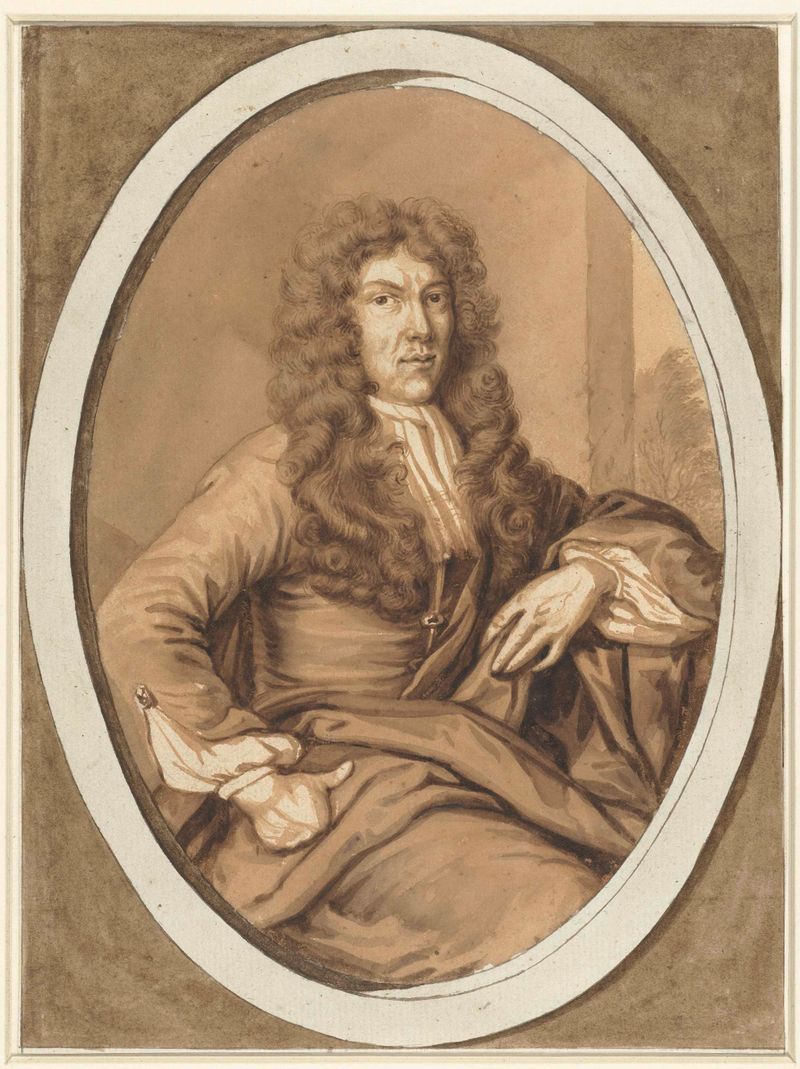
Portret van een jonge man, in ovaal
Cornelis Dusart
Seated Man Reading, Facing Right
Cornelis Dusart
Five Drunken Villagers and a Woman on a Sleigh
Cornelis Dusart
Fish Market
Cornelis Dusart
Buste van een vrouw, naar rechts in profiel
Cornelis Dusart





