
Hoofd van een vrouw, driekwart naar links — History & Facts
Is this a mirror — or a memory? In the delicate contours of the face, a haunting question lingers, evoking the anxiety of self-perception and the fragility of womanhood. Focus on the soft glow that illuminates her features, guiding your gaze to her enigmatic eyes, capturing the viewer's attention. Notice how the subtle play of light and shadow emphasizes the smoothness of her skin, while the slight tilt of her head invites an intimate, yet distant dialogue. The muted palette, with its warm browns and soft creams, feels both comforting and unsettling, evoking a timeless quality that whispers of secrets untold. Delve deeper into the contrast between serenity and unease; her poised expression conceals an undercurrent of vulnerability.
The background, a dark void, amplifies the sensation of isolation, suggesting that what lies beneath the surface is a tempest of fears and unspoken thoughts. Each brushstroke seems to echo the artist's exploration of identity and the anxiety that accompanies introspection, revealing how beauty and fear can coexist in haunting harmony. Cornelis Dusart created this poignant work between 1670 and 1704, during a period when Dutch art was rich with portraits reflecting social status and personal introspection. Emerging from the shadow of his mentor, Rembrandt, he sought to distill the emotional complexities of his subjects, navigating a world where the Baroque's exuberance was slowly giving way to a more subdued, introspective realism.
This artwork thus captures a crucial moment in the evolution of portraiture as a vessel for both external beauty and internal strife.
More Artworks by Cornelis Dusart
Browse all →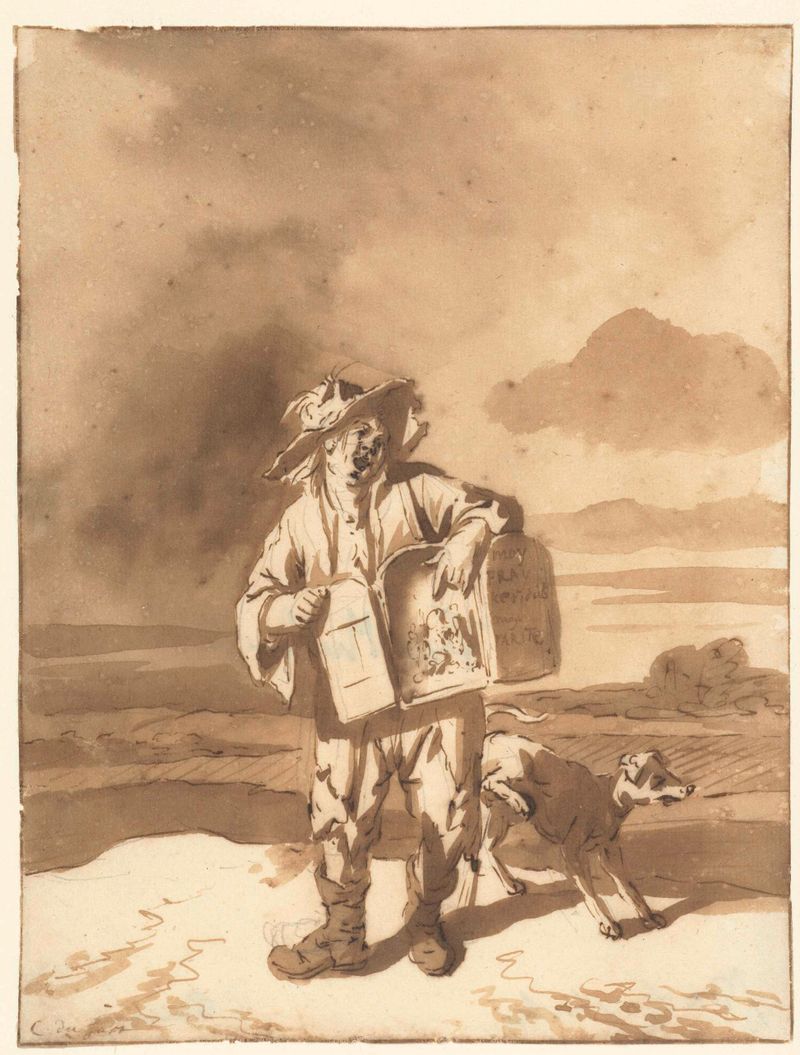
A Young Man with a Peepshow and a Dog
Cornelis Dusart
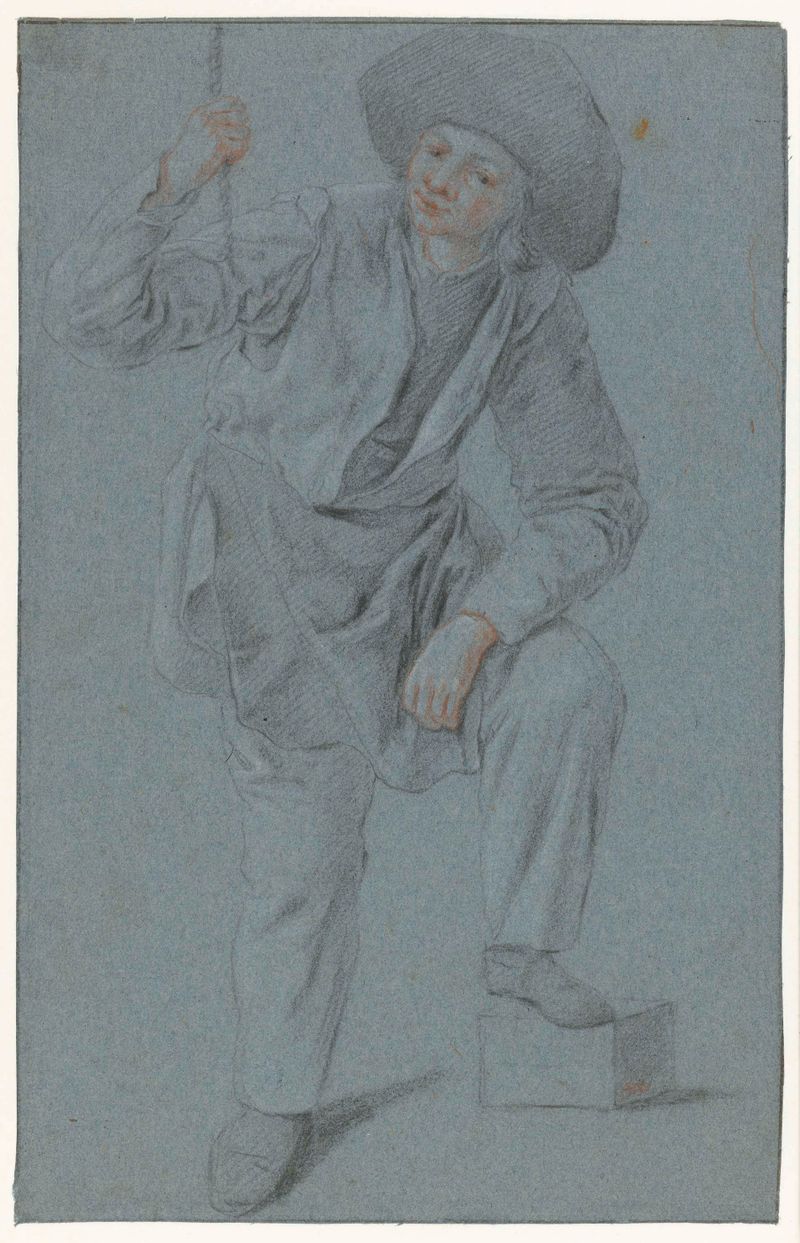
Staande jongen die aan een touw trekt
Cornelis Dusart

Farmhouse with a Well
Cornelis Dusart

An Artist with a Model in his Studio
Cornelis Dusart
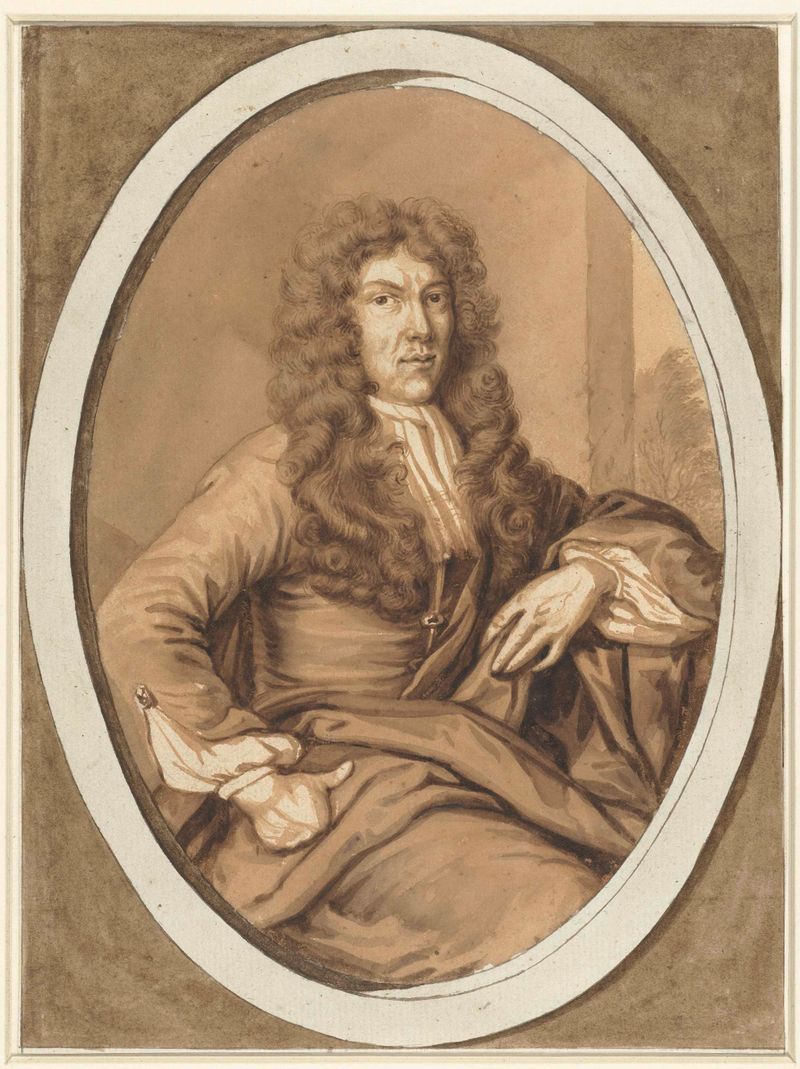
Portret van een jonge man, in ovaal
Cornelis Dusart
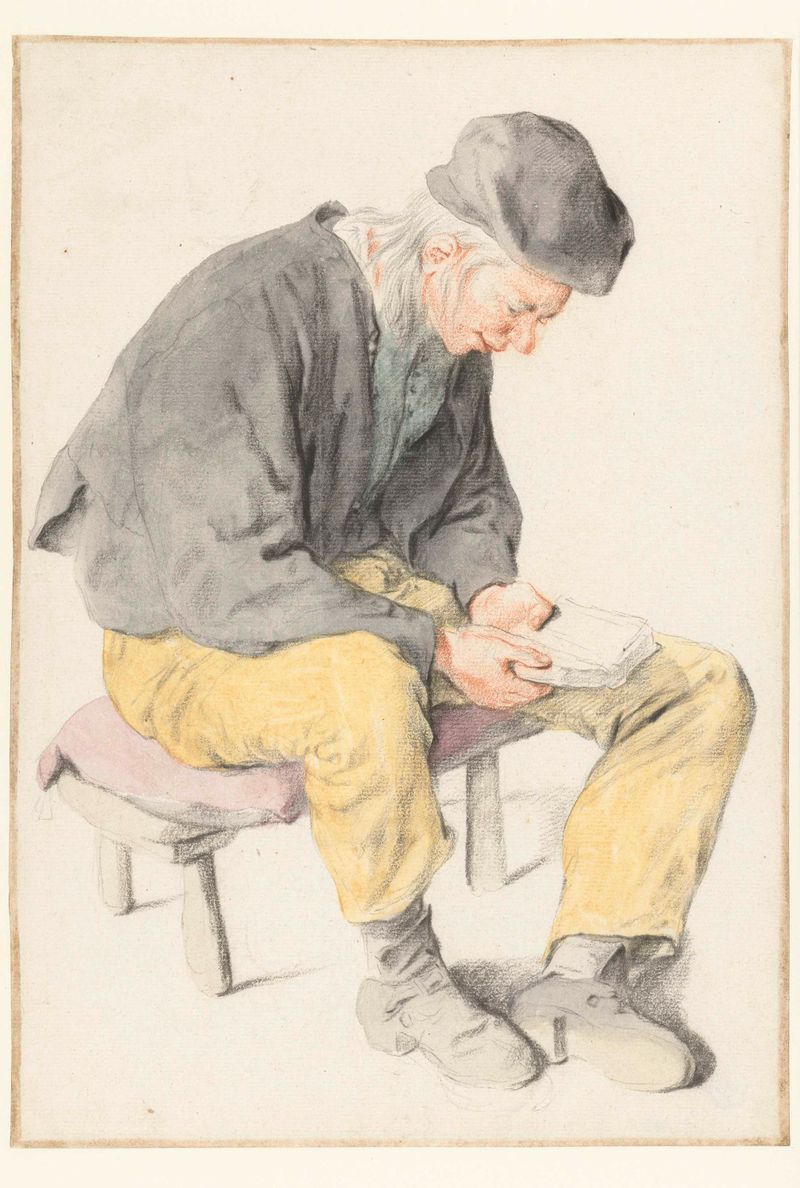
Seated Man Reading, Facing Right
Cornelis Dusart
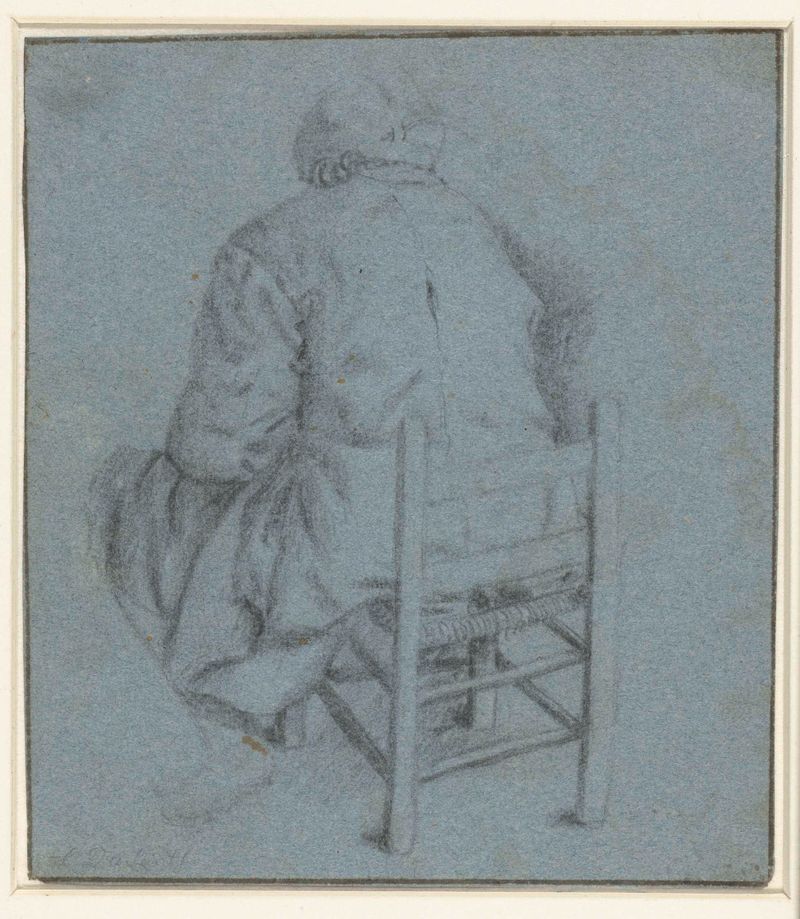
Figuur op laag stoeltje gezeten, op de rug gezien
Cornelis Dusart
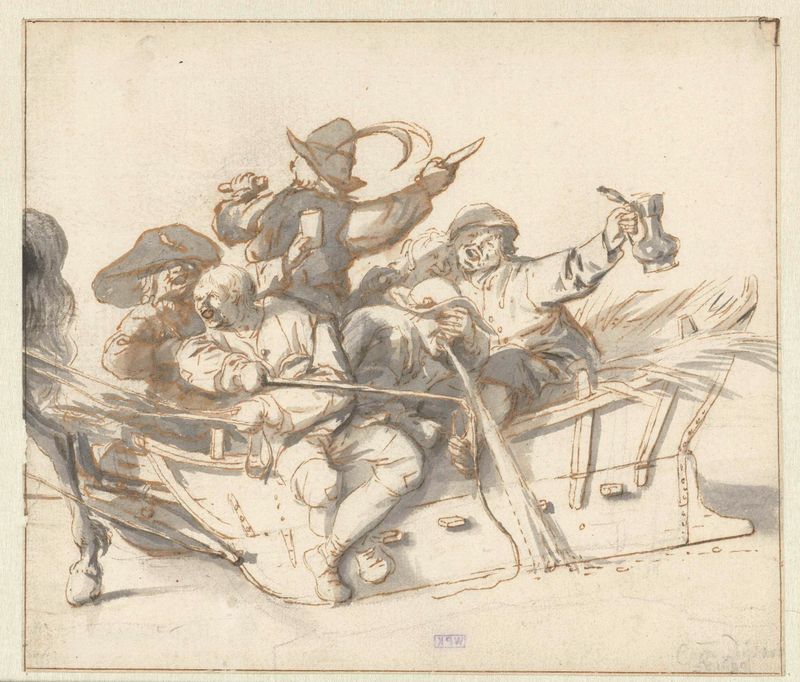
Five Drunken Villagers and a Woman on a Sleigh
Cornelis Dusart
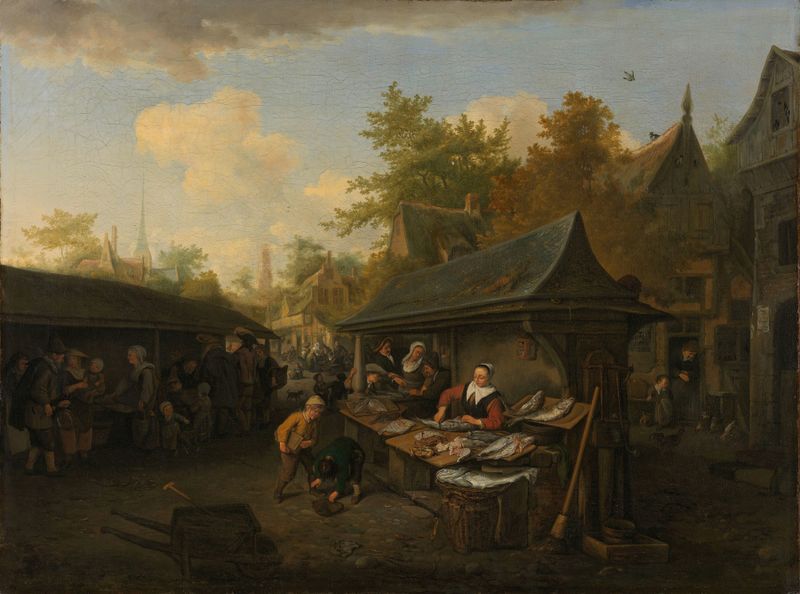
Fish Market
Cornelis Dusart
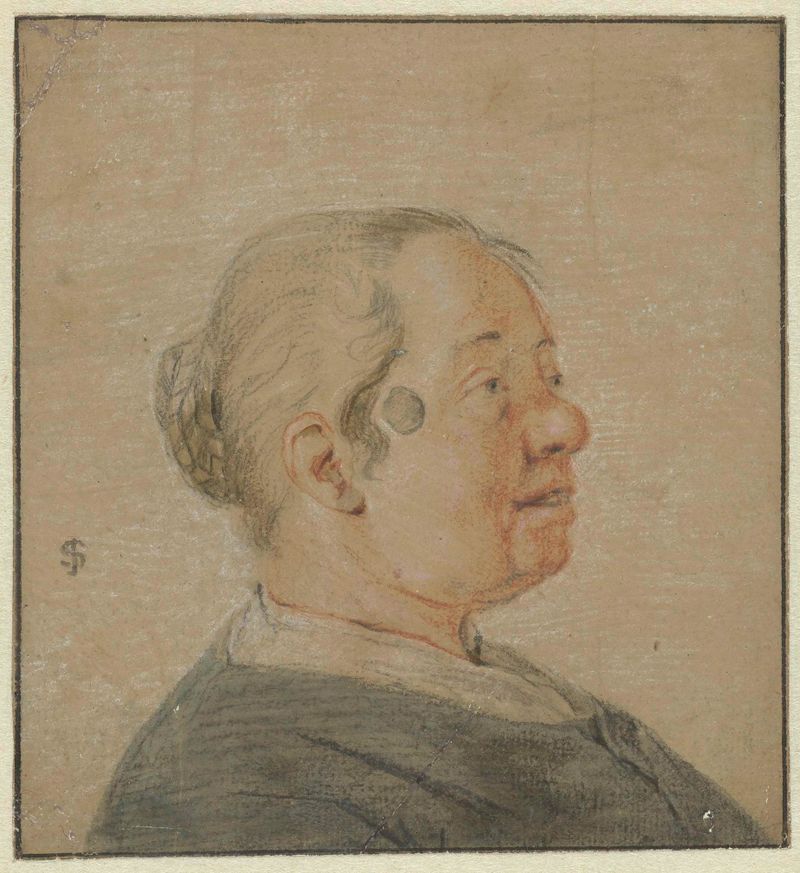
Buste van een vrouw, naar rechts in profiel
Cornelis Dusart
More Portrait Art
Browse all →
Las meninas
Diego Velázquez

Self-portrait with a Bandaged Ear and Pipe
Unidentified artist
Girl with a Pearl Earring
Johannes Vermeer

The Sampling Officials of the Amsterdam Drapers’ Guild, Known as ‘The Syndics’
Rembrandt van Rijn

The Hundred Guilder Print: the man seen on the back in the lower left corner
Rembrandt van Rijn

Portrait of Dr Gachet
Vincent van Gogh