By the Bees — History & Facts
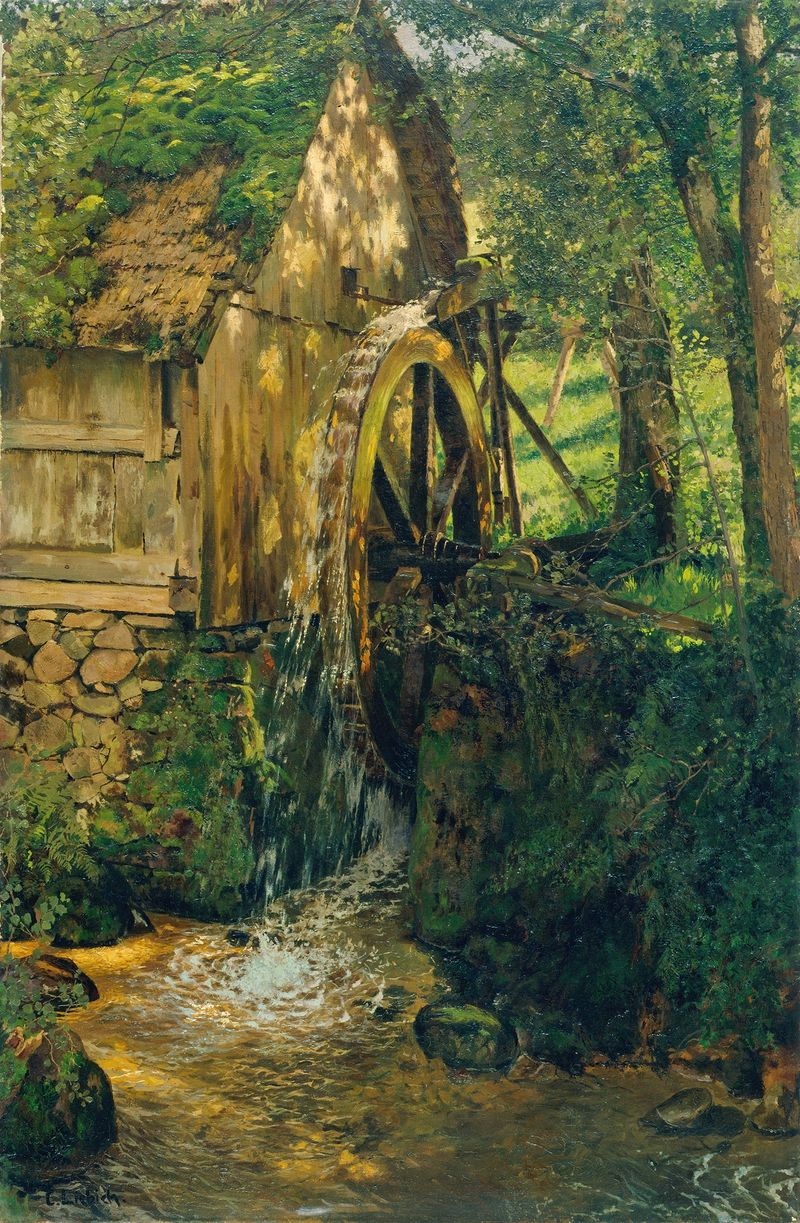
Desire permeates the air, thick and palpable, much like the golden hue of honey. It invites contemplation, whispering tales of longing and connection, drawing the viewer into a world where the sweetness of life dances with the sting of yearning. Look to the center of the canvas where the bees swarm, their delicate wings catching the light as they flit among blossoming flowers. The artist’s meticulous brushwork creates a vibrant tapestry of color; luminous yellows and soft whites merge to convey both warmth and movement.
Notice how the bees are not just insects here, but symbols of thriving life, each one a tiny miracle navigating a realm of abundance. The careful placement of each element guides the eye, drawing it into a rhythmic flow that speaks to nature’s resilience. Beneath this surface beauty lies a profound contrast between the sweetness of the flowers and the element of danger inherent in the bees. The buzzing creatures evoke a sense of admiration yet caution, reflecting the duality of desire—its sweetness and its potential sting.
Each flower represents a fleeting moment of joy, while the bees symbolize the relentless pursuit of fulfillment, hinting at the fragility of life and the inevitable transience of bliss. Created around 1896, this work emerged during a period of artistic exploration in Germany as the Symbolist movement was gaining traction. Liebich found himself captivated by nature’s intimate details, shaping his approach in a time when artists sought deeper emotional connections in their subjects. Through By the Bees, he captured not just the beauty of the natural world but a universal yearning that resonates deeply within the human experience.