Cabin in the Cotton — History & Facts
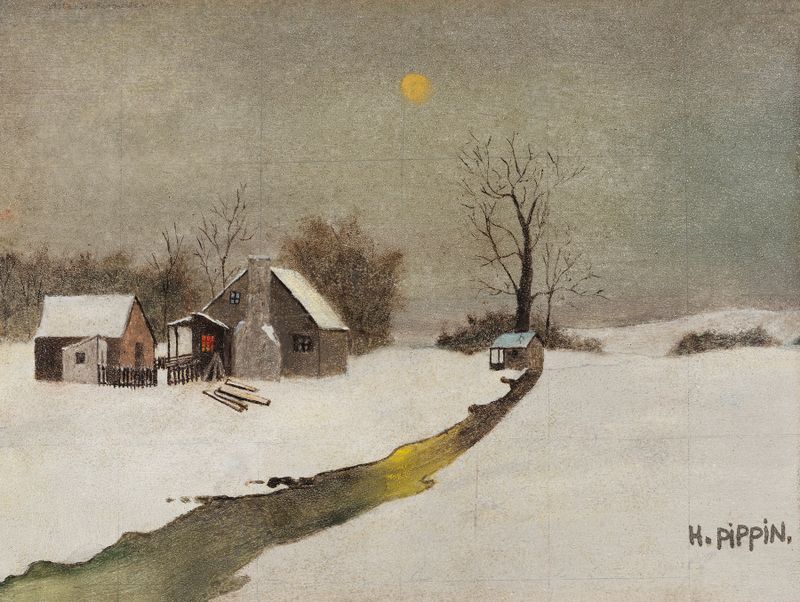
Can paint confess what words never could? In Cabin in the Cotton, the canvas invites viewers into a world where legacy and labor intertwine, revealing the heart of a narrative often overlooked. Look to the center of the painting, where the humble cabin sits, its wooden structure bathed in warm browns and earthy greens. Notice how the sunlight filters through the trees, casting a gentle glow that illuminates both the dwelling and the surrounding cotton fields. Pippin's brushstrokes create a tactile sense of texture, from the roughness of the cabin's logs to the soft, fluffy cotton bolls that dot the landscape.
The simplicity of the composition belies a profound depth, as each element serves as a testament to the lives interwoven within this pastoral scene. As you delve deeper, consider the juxtaposition of the tranquil setting with the underlying tension of the labor that defines it. The cotton, a symbol of both beauty and exploitation, holds a painful history that resonates through the ages. The cabin, while a refuge, stands as a reminder of the struggles faced by those who toiled in the fields.
Pippin's portrayal speaks not only of physical labor but also of resilience, echoing the voices of generations who have shaped the land. In the early 1930s, while grappling with personal challenges and the wider struggles of the Great Depression, Horace Pippin created Cabin in the Cotton as an expression of his own experiences and heritage. Living in Pennsylvania, he drew upon memories of his youth in the South, infusing the artwork with the cultural legacy of African American life. At this time, he was establishing his unique voice in the art world, blending folk influences with a powerful narrative style that would later define his contributions to American art.